US deal favours India, firm stand on dairy and agriculture: Piyush Goyal
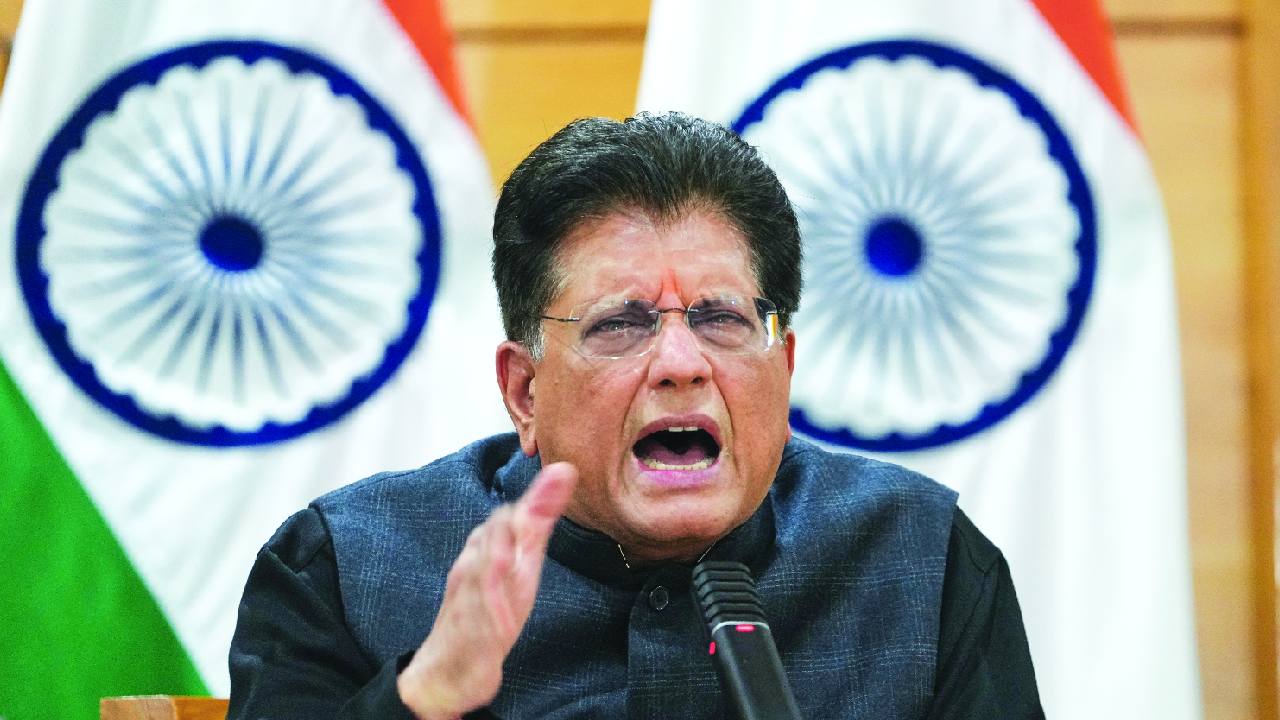
A day after India and the US agreed on a trade deal and Washington slashed its punitive tariffs on New Delhi from 50 percent to 18 percent, the Union Government on Tuesday insisted that India got a very good trade deal with the US, better than competitors, without compromising interest of the agriculture and dairy sectors.
India's refusal to expose its politically sensitive agriculture sector to greater US access has been a point of contention between Washington and New Delhi during the free trade agreement. New Delhi has been reluctant to open agricultural sectors like soybean and dairy. Sources said sensitive sectors in agriculture and dairy, which have been protected so far, will continue to be shielded.
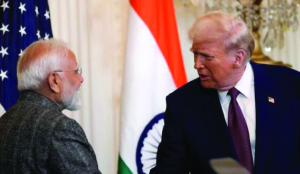
Addressing a press conference, Union Minister for Commerce and Industries Piyush Goyal said the deal will open opportunities for the poor, fishermen, farmers and the youth. Finance Minister Nirmala Sitharaman said Trump's decision to slash tariffs on Indian goods to 18 per cent augurs well for the country as it will boost exports. Goyal argued that India has got a good deal with the US because of the personal relationship between the Prime Minister Narendra Modi and US President Donald Trump.
Without giving details of what has been agreed with Washington, Goyal told the media the trade deal is in the final stages, and an Indo-US joint statement will be issued shortly detailing the contours of the agreement. Goyal said that he wanted to speak in Parliament about the deal, but could not do so because of the impasse between the Treasury and Opposition benches.
Talking to a section of media, Union Finance Minister Nirmala Sitharaman said India's exports will pick up now, that is the Government's expectation along with having found new markets where they will continue to operate.
Trump's announcement via a social media post late Monday night is part of a general agreement under which India has apparently agreed to stop buying Russian oil, reduce "their tariffs and non-tariff barriers against the United States to zero", and India buying an incremental USD 500 billion of "US energy, technology, agricultural, coal, and many other products" over the next five years.
The commitment to stop buying Russian oil nullifies the additional 25 per cent punitive tariff previously levied, and thereby reduces the effective applied tariff on Indian exports to the US to 18 per cent from 50 per cent.