Türkiye hands over wanted drug kingpin Navpreet Singh
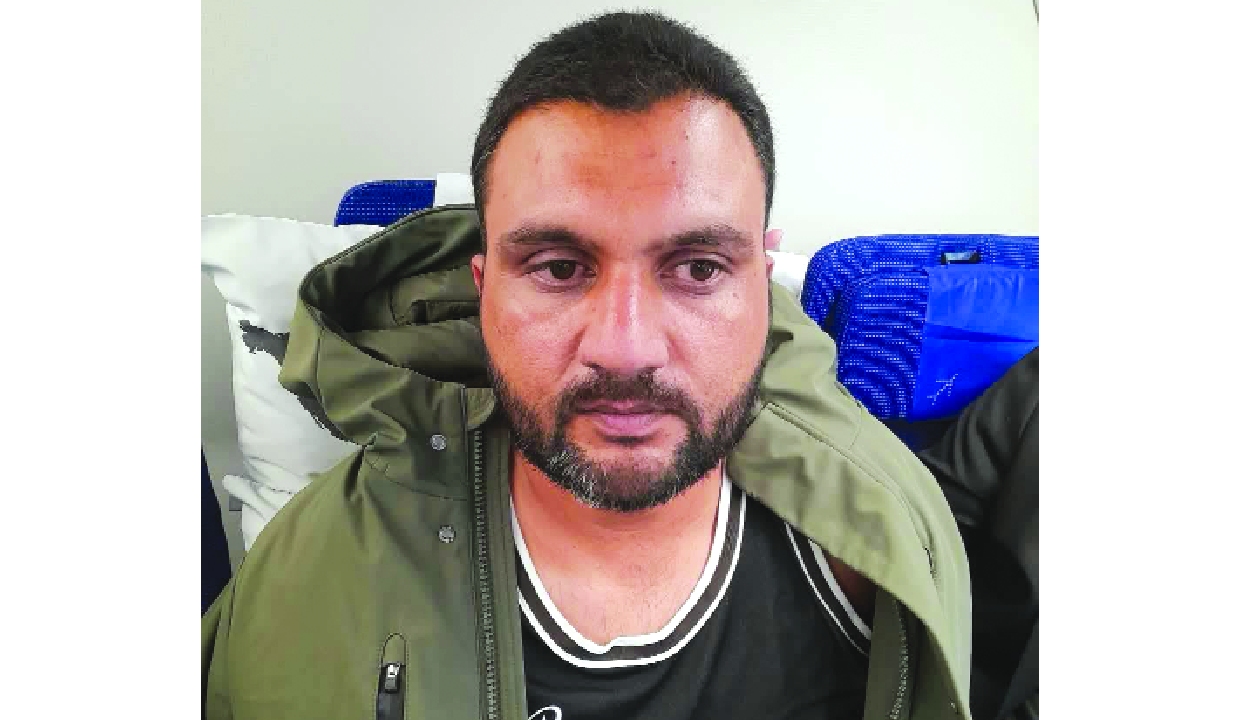
India brought back one of the most wanted drug kingpins, Navpreet Singh, from Türkiye on Saturday and took him into custody. This ended a search that lasted for years and included a fake identity, Afghan supply routes, and Turkish citizenship.
Union Home Minister Amit Shah described the deportation as a historic milestone for the Modi Government. He also set a clear deadline, saying that every drug cartel working against India must be dismantled by December 2029.
Investigators say Navpreet Singh, also known as Nav, is a hardened trafficker wanted for drug and organised crime cases by Punjab and Delhi Police. Official reports state he obtained Turkish citizenship under the name Navab Virk and used this identity to keep moving heroin and methamphetamine from Afghanistan into India. Central agencies, working with Turkish authorities, discovered his real identity after reviewing many documents. He was deported, flown back, and jailed the same day for trafficking and related charges. This case is part of a larger trend.
Sources say Navdeep Singh led an international syndicate connecting India, Afghanistan, and Türkiye. Reports link him to the 2021 Delhi Police seizure of 354 kg of heroin, worth about Rs 2,500 crore, which was the force’s biggest drug bust at the time and included the arrest of an Afghan national. Singh is said to be from Vajir Bhullar village in Beas. Authorities are still investigating these details, and Indian courts will now review the formal charges.
This is the second major drug suspect sent back from Türkiye in recent months. In late April, Mohammad Salim Dola, a long-time associate of fugitive Dawood Ibrahim, was arrested in Istanbul’s Beylikdüzü district on an Interpol Red Notice and deported to Delhi. Investigators say Dola played a key role in D-Company’s drug and hawala network, handling logistics and finances instead of street-level work.
His cases include extortion, drug trafficking, and alleged links to the financing of the 1993 Mumbai blasts. A joint central team managed his return and handed him to the Narcotics Control Bureau. Singh’s deportation followed the same process, using ongoing intelligence sharing, uncovering hidden identities, and diplomatic approval rather than a single raid.
The Government says these returns prove that foreign citizenship or fake identities no longer guarantee safety. Since 2019, official data show that 288 fugitives have been brought back from 36 countries as of August 2026, and authorities have issued 182 Red Corner Notices by July.
The Türkiye route matters because it is used for Afghan heroin, synthetic drugs, and the paperwork traffickers use to change their identities.
Now, authorities can block citizenship applications, as they did with Dola, or cancel citizenship after finding the real identity, as in Singh’s case.
Shah has set a timeline for these efforts. On 22 September, he told leaders at the third national conference of the Anti-Narcotics Task Force that India plans to end the drug trade by 31 December 2029. Earlier in the month, while in Goa, he called narcotics the country’s biggest challenge after Naxalism and set 2026 to 2029 as the mission period, with progress to be reviewed every quarter.
The focus is shifting from just counting drug seizures to dismantling entire networks. This includes financial investigations, controlling precursor chemicals, digital tracking, and deporting foreign nationals involved in trafficking so they cannot return. The Home Minister said they will target cartels at entry points, during inter-State distribution, and at the local retail level.
Afghanistan is still a source of heroin, and the production of synthetic methamphetamine has spread. Demand in Punjab and other areas remains high, even though authorities brought a kingpin to Delhi. Saturday’s deportation shows a clear change: Indian agencies can now bring back people who bought new passports and new names, and Türkiye is now willing to act on those requests.