Trump’s oil deal exposes US double standards
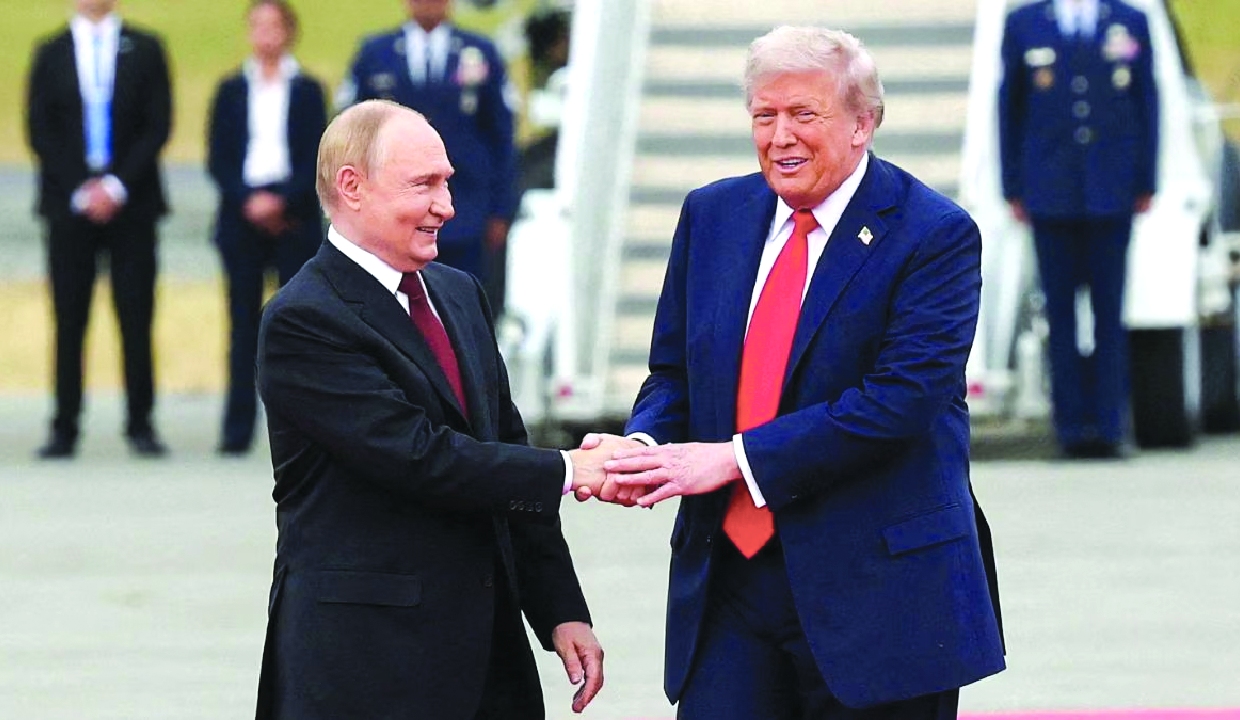
Trump’s decision to secure Russian diesel while penalising India for purchasing Russian crude has raised serious questions about Washington’s energy policy, economic coercion and the selective application of sanctions.
US President Donald Trump faces criticism after announcing a deal with Russian President Vladimir Putin to import Russian diesel, despite previously imposing additional tariffs on India for buying Russian oil. The move has reignited debate over whether Washington applies its pressure on Moscow’s energy trade consistently or prioritises American interests when domestic economic concerns arise.
On October 9, Trump announced that Russia would immediately supply more than 300,000 tonnes of diesel, with further shipments expected in the coming months. The announcement appears at odds with his administration’s earlier justification for penalising India, which was accused of supporting Russia’s economy through continued oil purchases.
In 2025, Trump imposed an additional 25% tariff on Indian goods, linking the measure to New Delhi’s Russian oil imports. The administration argued that such purchases helped finance Moscow’s war against Ukraine.
The latest development raises an uncomfortable question for Washington: if buying Russian energy supports Russia’s military campaign, why should American purchases be acceptable while India faces economic penalties?
The deal comes as rising energy costs place pressure on the US administration. According to figures attributed to the American Automobile Association, average American diesel prices reached $6.28 per gallon, following a record high of $6.53 in late September.
Trump said the Russian supplies would help bring fuel prices down for American consumers, farmers and truckers, underscoring the importance of affordable energy to the US economy.
However, India has long maintained that it makes energy decisions based on national interest, affordability, and supply security.
India imports nearly 90% of its crude oil, making access to competitively priced supplies essential to its economy. According to the Global Trade Research Initiative, Russian crude accounted for 30.3% of India’s oil imports in fiscal year 2026, valued at $40.8 billion.
External Affairs Minister S Jaishankar has previously argued that Washington itself encouraged India to purchase Russian oil in 2022 to stabilise global markets. New Delhi has also questioned why Indian purchases attract criticism while Western countries continue trading with Russia.
Ukrainian President Volodymyr Zelensky criticised the reported arrangement, warning that Russian petroleum revenue could help sustain Moscow’s military campaign.
The controversy exposes a fundamental contradiction in international energy politics. While Ukraine seeks to restrict Russia’s war financing, Governments remain concerned about domestic fuel costs and economic stability.
For India, the dispute reinforces its argument that energy security should not justify selective economic punishment. For Washington, the challenge is to explain why policies presented as essential to pressuring Russia appear different when American interests are involved.