Trump threatens India with higher tariffs over Russian oil
A sharp new confrontation is brewing at the intersection of geopolitics, energy and trade, after US Senator Lindsey Graham claimed that India’s Ambassador to the United States personally urged him to seek tariff relief from President Donald Trump in return for New Delhi cutting back on purchases of Russian oil.
Speaking aboard Air Force One on Sunday while accompanying President Trump, Graham said Ambassador Vinay Kwatra told him that India was deliberately reducing its intake of Russian crude and wanted Washington to ease the heavy tariffs imposed on Indian exports.
“I was at the Indian Ambassador’s house about a month ago, and all he wanted to talk about was how they are buying less Russian oil,” Graham said. “And he asked me, ‘Would you tell the President to relieve the tariff?’”
The claim, which has drawn intense international attention, comes amid the Trump administration’s aggressive push to economically isolate Russia and choke off the revenue stream sustaining President Vladimir Putin’s war in Ukraine. Indian officials have so far offered no immediate response to Graham’s remarks.
Graham, a close ally of Trump on foreign policy, is spearheading legislation that would impose punishing tariffs of up to 500 per cent on imports from countries that continue to buy Russian oil. He argued that targeting Russia’s customers, rather than Russia alone, is the fastest way to end the conflict in Ukraine.
“This stuff works,” Graham said. “If you are buying cheap Russian oil, keeping Putin’s war machine going, we are trying to give the President the ability to make that a hard choice by tariffs.”
The United States has already imposed a 50 per cent tariff on India, the highest levied on any country, including a 25 per cent penalty specifically tied to New Delhi’s purchases of Russian oil. Graham asserted that these measures have had a decisive impact.
“I really do believe that what President Trump did with India is the chief reason India is now buying substantially less Russian oil,” he said.Trump Warns India: ‘Very Bad for Them’ President Trump himself reinforced the message, making it clear that India’s energy decisions are now directly linked to its access to the US market.
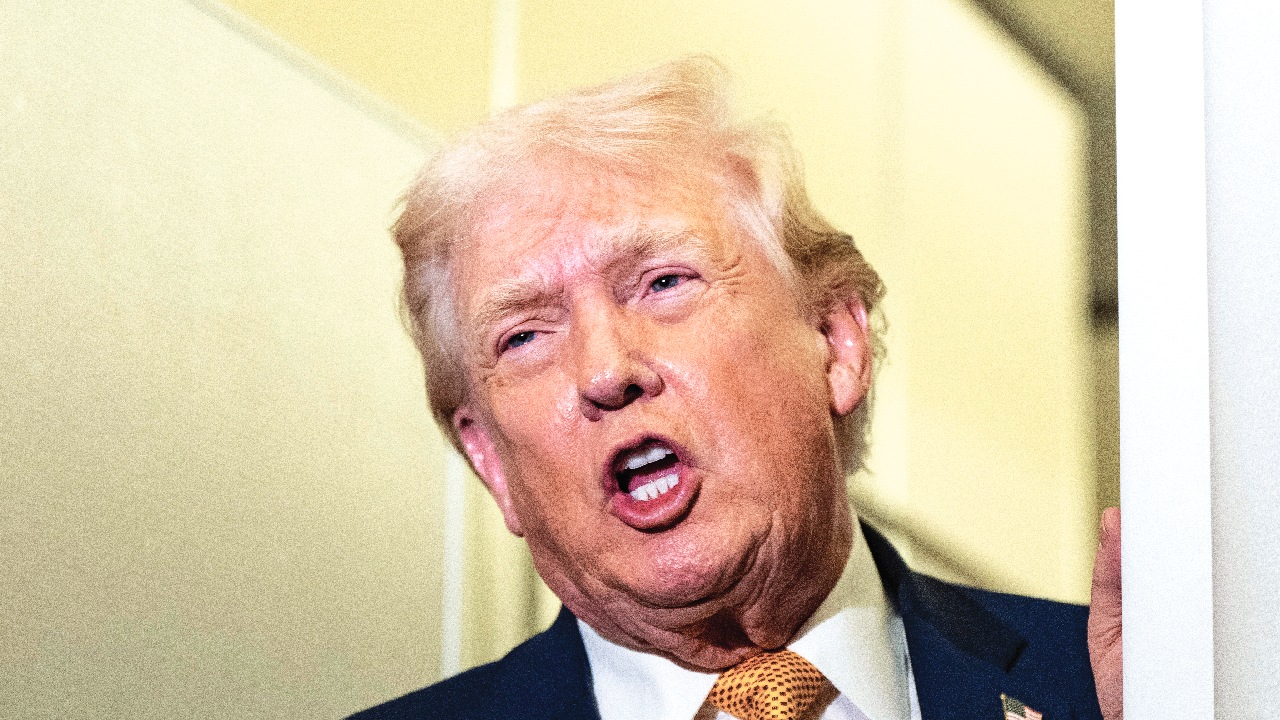
“Prime Minister Modi knew I was not happy with India buying Russian oil,” Trump said. “They wanted to make me happy, basically. Modi is a very good man; he’s a good guy. But if they don’t do the right thing, we can raise tariffs on them very quickly. That would be very bad for them.”
Trump’s remarks underline a blunt transactional approach: geopolitical alignment with Washington, or severe economic consequences.
India imports about 88 per cent of its crude oil needs from abroad and has long argued that energy security is a matter of national survival. Before 2021, Russian oil accounted for a negligible 0.2 per cent of India’s imports. That changed dramatically after Russia’s February 2022 invasion of Ukraine, when Western sanctions forced Moscow to sell oil at deep discounts.
Indian refiners rapidly increased purchases, turning Russia into India’s largest crude supplier and pushing its share to nearly 40 per cent of total imports at its peak. New Delhi maintained that it was buying oil from non-sanctioned entities and acting within international law.
However, new data suggests a notable shift. According to analytics firm Kpler, India’s Russian crude imports are expected to fall to around 1.2 million barrels per day in December, down from 1.84 million bpd in November, the lowest level since December 2022.
Russia remains India’s single largest supplier, but its share has dropped sharply - from about one-third of imports in November to less than one-quarter in December.
Kwatra last month hosted Graham and several other US senators - including Richard Blumenthal, Sheldon Whitehouse, Peter Welch, Dan Sullivan and Markwayne Mullin - at India House in Washington, the official residence of the Indian ambassador.
“Had fruitful conversations on the India-US partnership from energy and defence cooperation to trade and important global developments,” Kwatra said in a post on X at the time, thanking the lawmakers for their support for closer bilateral ties.
Graham’s latest comments, however, suggest those discussions may have been far more fraught - and transactional - than publicly acknowledged.
For international observers, the episode highlights the growing use of tariffs as a geopolitical weapon and the narrowing space for strategic neutrality in a polarized world. India, the world’s third-largest oil importer and a key US partner in the Indo-Pacific, now faces a stark choice: cheaper energy from Russia, or punitive trade barriers from the United States.
As Washington turns economic pressure into a central tool of foreign policy, the outcome of this standoff could redefine not only India’s energy strategy, but also the future contours of the India-US relationship.