TN CM proposes Cauvery talks with Karnataka
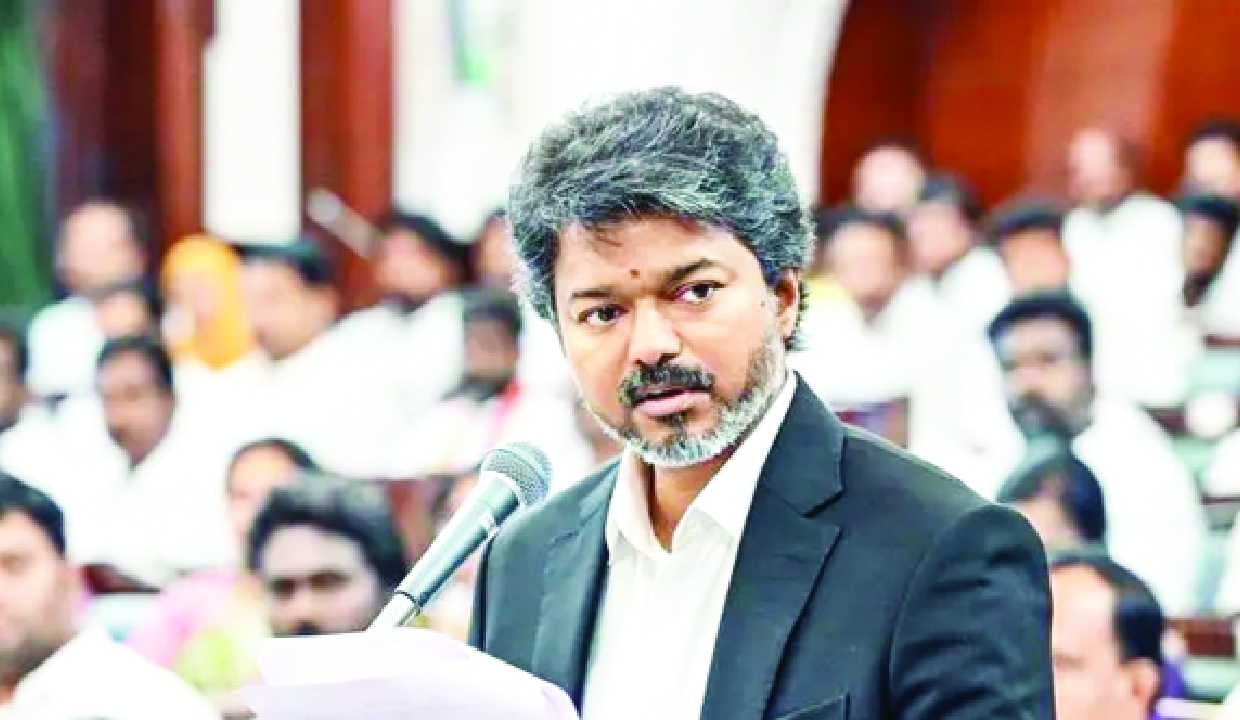
Tamil Nadu Chief Minister C Joseph Vijay has proposed bilateral talks with his Karnataka counterpart to seek an amicable solution to the long-standing Cauvery River water-sharing dispute, a move that has drawn criticism from farmers’ organisations and political parties in the State.
As Vijay is scheduled to visit the neighbouring state on August 3 for talks with Karnataka Chief Minister D K Shivakumar, DMK president M K Stalin said the Chief Minister must not get entangled in the “conspiracy web of negotiations” with the Congress-led Government in Karnataka over the Cauvery water issue. “This poisonous experiment must not be undertaken. Negotiation efforts will only serve to undermine the rights we have legally fought for over decades. It will lead to setbacks in the court,” Stalin said on ‘X’ reacting to the development.
This was precisely why DMK firmly rejected such a proposal in the past, he claimed. “We will convene an all-party meeting, consult farmer associations and take the next step. I urge the CM to abandon the decision to go to Karnataka for the negotiations,” Stalin said.
AIADMK chief Edappadi K Palaniswami demanded Vijay to convene an all-party meeting for a consensus on exercising TN’s rights. Also, views of farmer representatives and legal experts should be taken into account.
“Karnataka must act in accordance with the Supreme Court’s final verdict. Refusing to provide us our rightful share of Cauvery water is reprehensible,” Palaniswami said in a statement here.
Former Chief Minister M G Ramachandran had held direct talks with Karnataka in the late 1970s and 1980s, drawing on his personal rapport and political goodwill to secure the immediate release of water outside the judicial process. His unannounced visits, breaking political convention, helped Tamil Nadu secure water, sources said. Vijay has written to Shivakumar seeking an appointment in Bengaluru, and the latter has agreed to the meeting.
Confirming the development, Tamil Nadu Agriculture Minister R Vinoth told reporters on Friday that Vijay would visit Bengaluru on August 3 for bilateral talks on the long-pending Cauvery dispute and the proposed Mekedatu dam project. “Karnataka has extended an official invitation to the Chief Minister (Vijay) to visit the state,” Vinoth told reporters in Kumbakonam. On the Mekedatu dam project, Vinoth reiterated Tamil Nadu’s firm stand. “We have maintained this stand all along. We will never allow it to be constructed,” he said. The invitation follows recent diplomatic overtures from Karnataka.
On June 18, Shivakumar had expressed his readiness to discuss the Mekedatu issue with Vijay.
This will be the first visit by a Tamil Nadu CM to Karnataka for bilateral talks on the Cauvery issue in several years.
The previous DMK government, despite being allied with the Congress, had maintained that bilateral talks with Karnataka would not yield results and that the issue should be resolved through legal means. Political observers view Vijay’s initiative, undertaken after accommodating the Congress in his Cabinet, as an attempt to revive direct political engagement between the two states after nearly a decade. The bilateral talks are expected to be closely watched in the changed political scenario following the formation of the TVK-led coalition government.
Sources said Vijay hopes to make progress on the Cauvery issue before the government’s maiden Budget session begins on August 5.
Arguing that negotiations outside the statutory framework would bypass the legal mechanism established by the Supreme Court, the Tamil Nadu Cauvery Farmers Association, led by P R Pandian, urged Vijay to press the Centre to secure the release of 27.5 TMC ft of water from Karnataka, a demand earlier raised by DMK president M K Stalin. PMK leader Anbumani Ramadoss also opposed any talks with Karnataka on the Mekedatu dam project.
Tamil Nadu has been opposed to Karnataka’s move to construct the balancing reservoir at Mekedatu in that State, claiming it would affect its interests. The project proposes to meet the drinking water requirements of Bengaluru, besides hydel power generation.