The Til-Gud Glow
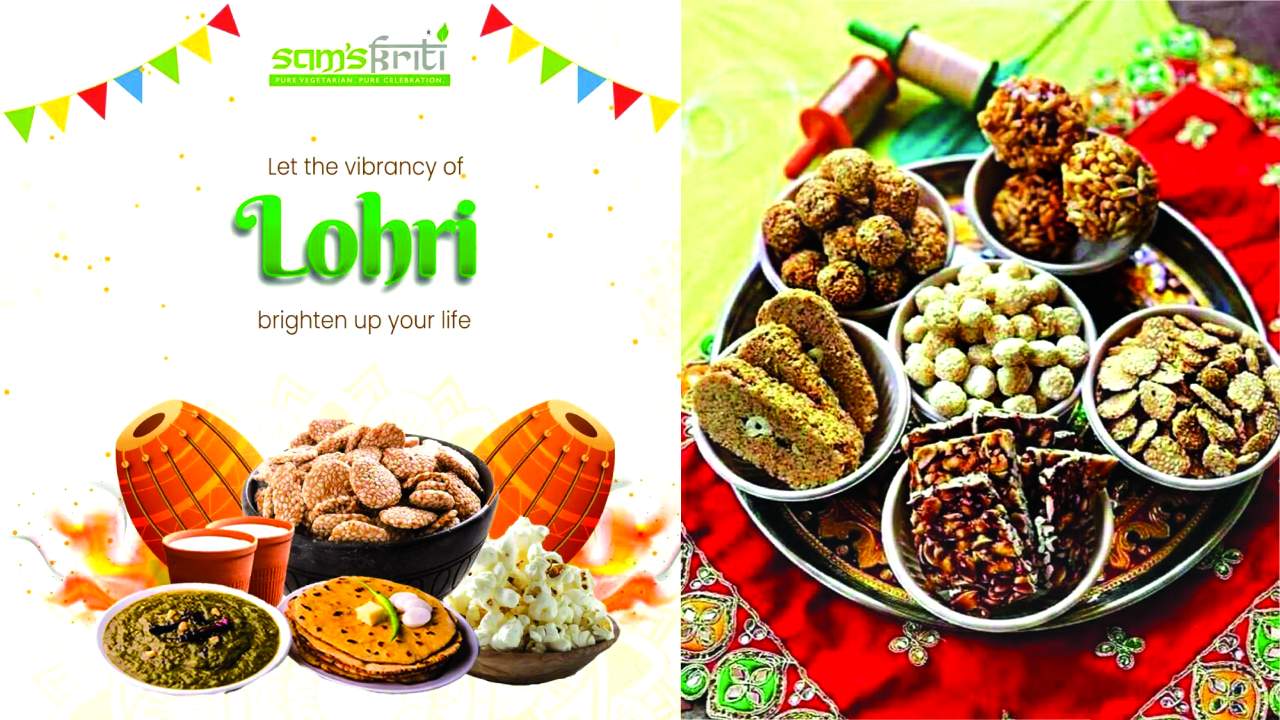
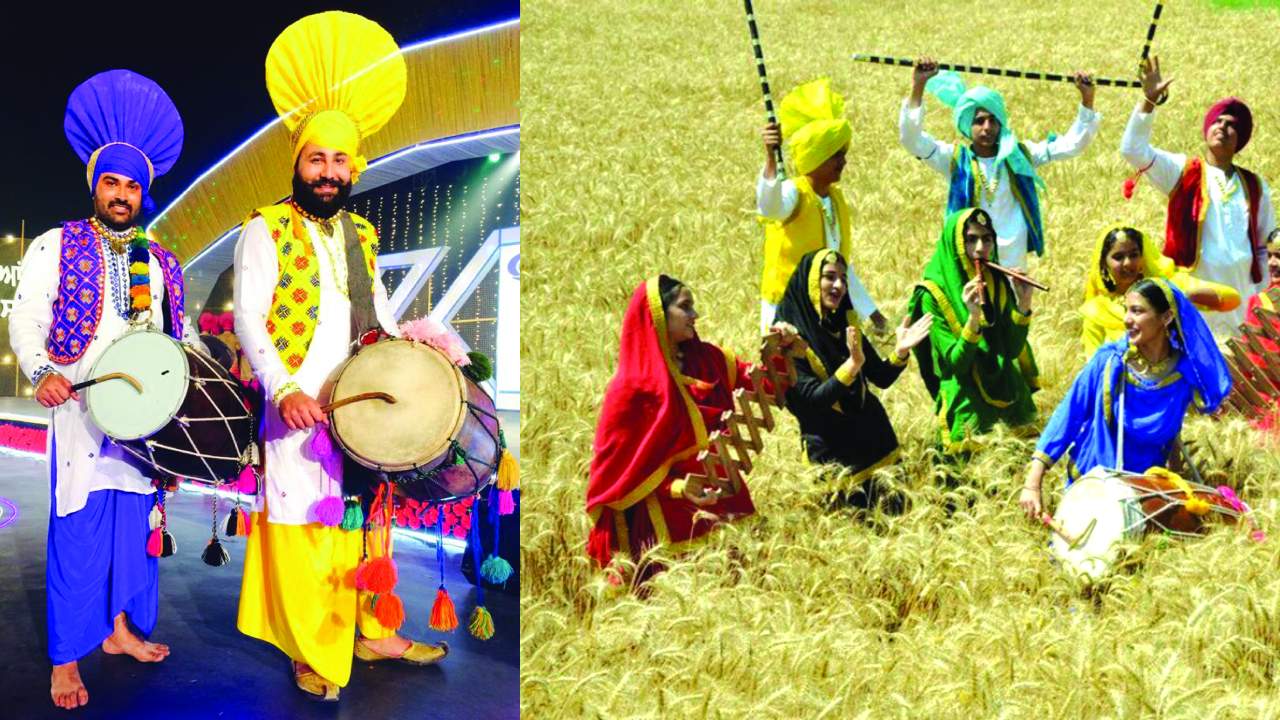
When the world turns cold, we gather around the flame to remember the light, January in the North? Ugh. It is a raw, grey blanket that settles right into your bones. My Grandmothers always used to say winter wants to steal your cheer, but fire? That is what brings you back. By the 13th, you can smell it in the air long before any fire starts. The whole street smells of woodsmoke and that sweet, burnt jaggery. This is the soul of Lohri, the one night where we finally stand up to the cold.
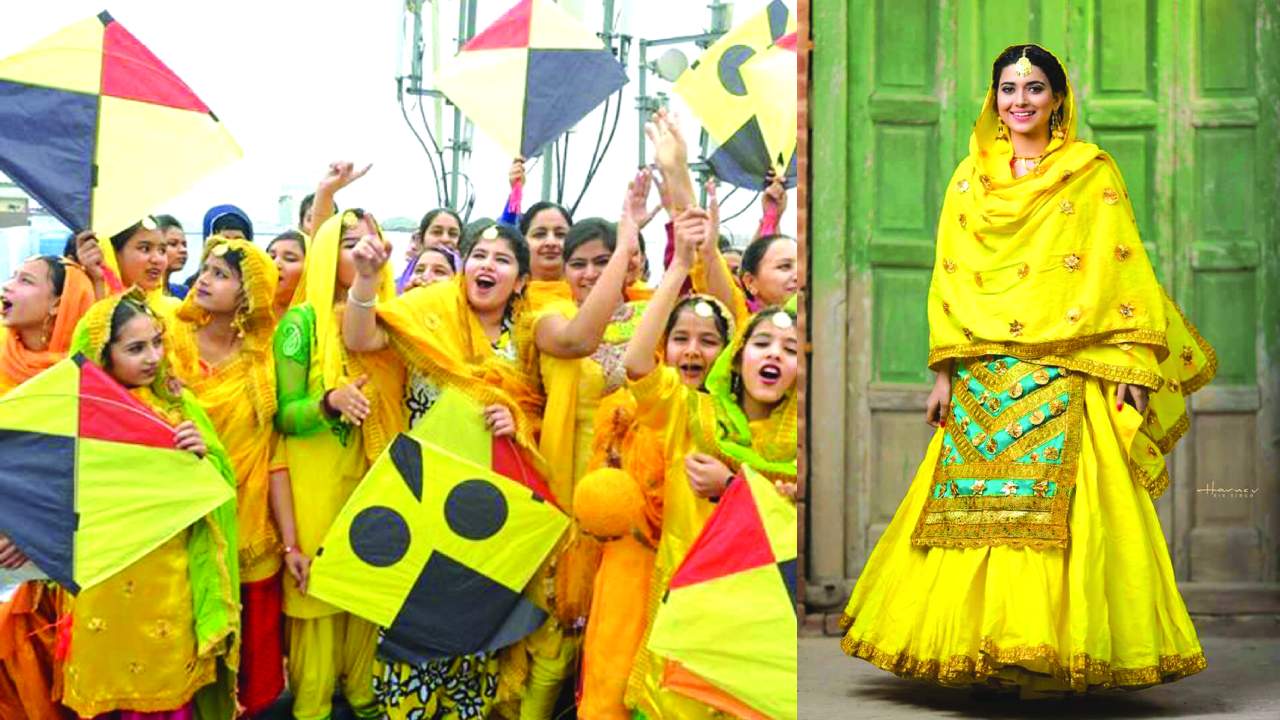
Folks think they are just watching a fire, but the elders see something else. They watch the pile of logs, waiting for that tiny spark to become a roar. It is all about hope, plain and simple. Before the sun even sets, you have to look up. The sky is a total mess of colour because of the kites. Thousands of them are up there. You see kids and grown men on rooftops, screaming “Bo-Kata!” at the top of their lungs as they cut through the winter haze with that sharp, glass-coated string.
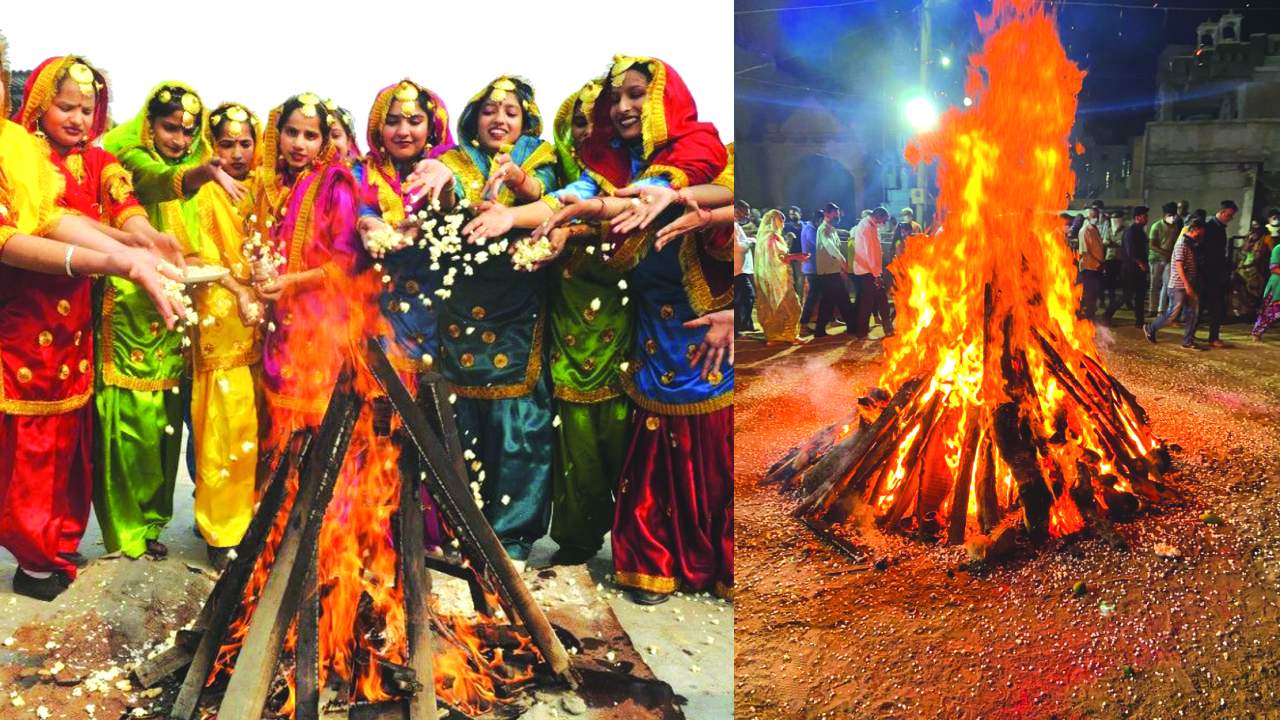
This string, the Manjha, is a big deal — it is coated with crushed glass so it can slice right through an opponent’s line. It is a wild, dangerous battle for the sky that happens right before the fire takes over. There is actually some heavy history in that smoke that most people forget. We toss popcorn and rewari into the flames, but those songs we shout are all for Dulla Bhatti. He was a legend, a total rebel who snatched girls back from slave traders and paid for their weddings using his own money.
He is the reason the holiday feels so gutsy. When you see kids today knocking on doors and demanding their ‘Lohri loot,’ they are actually playing out his old defiance. It is their way of keeping that ‘Robin Hood’ spirit alive in the neighbourhood. Even the stuff we eat, like til, ladoos, and especially Gur (jaggery), is a survival tactic. Shrey Gupta, Vice President of Dhampur Green, points out that Gur is really the heart of the celebration because it represents warmth and the hard work of the farmers.
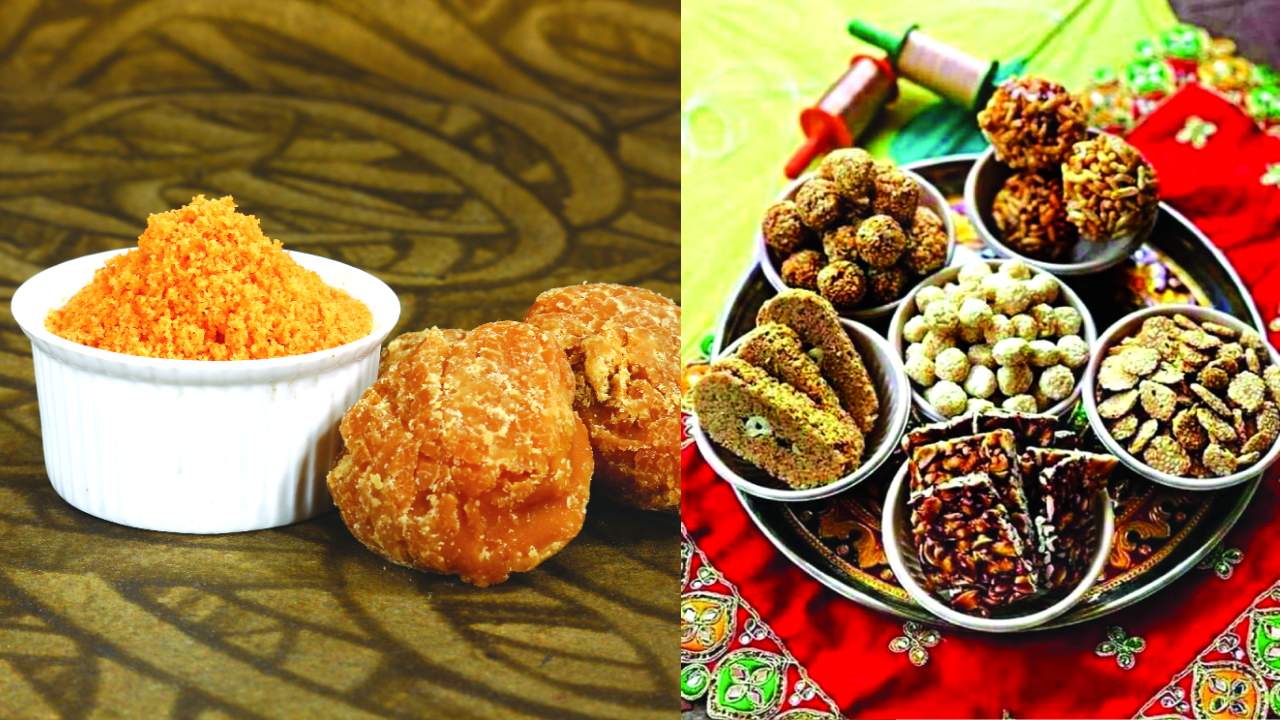
Since Lohri hits at the absolute peak of winter, these are ancient thermal fuels meant to heat up your blood and give you the energy to survive the last bit of the freeze. Offering Gur to the fire is a massive ‘thank you’ to nature, and sharing those sweet treats is what actually glues the community together. The ‘firsts’ are what really tug at the heart. You see a mother holding her baby close to the glow for their very first fire. Or a new bride in a fancy dupatta, her gold jewellery shining orange in the light.
For them, walking around that fire is like crossing a bridge. It is a handshake with the sun. This is the exact point where the earth finally tilts back toward the light. It is a guarantee that those short, dark days are over. Once it hits midnight, the big flames settle down into a pile of shaking red coals. The loud music finally cuts out, but somehow, nobody actually leaves. In that soft, low heat coming off the embers, the real talk starts. Any hard feelings from December just seem to melt away.
Stories come out that people kept locked up during the dark months. This transition into Makar Sankranti proves spring is definitely coming, no question about it. It is written in the ashes. We just huddle together because it is cold out there. Look, just grab a few peanuts, find a spot in that circle, and take a minute to just be. ‘Lohri diyan lakh lakh vadhaiyan!’ we shout to our neighbours, hugging them tight. That light? It is finally on its way home.
Why Gur Takes Centre Stage During Lohri Celebrations
Gur (jaggery) holds a place of pride during Lohri celebrations, as it symbolises warmth, sweetness, and prosperity. Celebrated at the peak of winter, Lohri marks the end of the coldest days and the beginning of longer, sunnier days. Gur, made from sugarcane juice, represents the harvest and the abundance brought by farmers’ hard work, says Shrey Gupta, Vice President, Dhampur Green. Its natural warmth is believed to energise the body during winter and promote good health