The man who outran death inside the tunnel
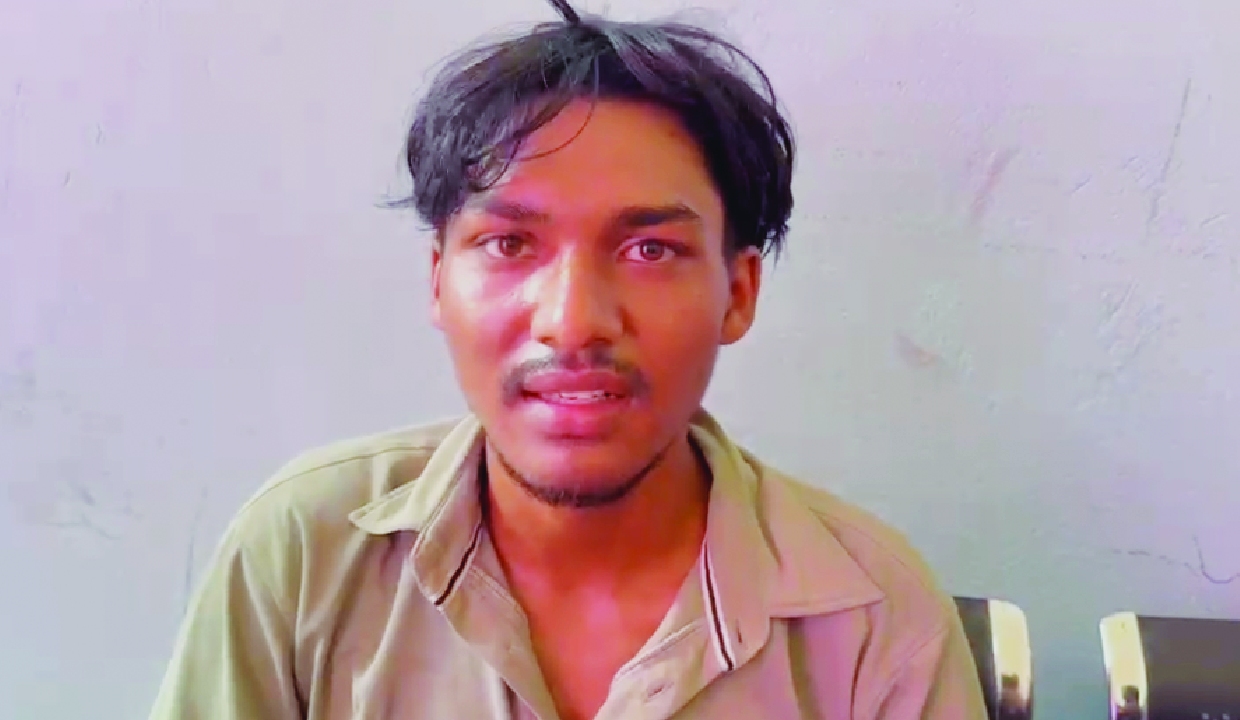
Eyewitness Kiran Kumar’s terrifying account of survival after a wall of water, mud and debris tore through the SLBC tunnel. For Kiran Kumar, it began like any other morning shift deep beneath the earth.
Within minutes, it became a fight for survival.
Kiran was among nearly 60 workers about 14 kilometres inside Audit-1 of the Srisailam Left Bank Canal (SLBC) tunnel in Nagarkurnool, Telangana, working near the Tunnel Boring Machine when disaster struck. At first, there were warning signs.
“Everything was normal, then suddenly the water seepage increased,” Kiran recalls. “Mud and soil started falling from the roof. We were told to keep working.”
Then came the roar. A roughly three-metre section of the tunnel roof suddenly collapsed. Almost instantly, water, silt and debris came rushing through the underground passage.
“Someone shouted, ‘BHAGO, BHAGO!’ We dropped everything — our tools, our helmets — and just ran.” There was no time to understand what was happening. There was no time to look back. The workers ran through pitch-black darkness as water rose around their knees. Behind them came the terrifying sound of earth and concrete collapsing. They ran for nearly three kilometres. “We couldn’t see the end. We thought we would be buried alive right there,” Kiran said. For those trapped underground, every second mattered. Then, in the darkness, they saw something that offered a glimmer of hope — a loco train used to ferry material through the tunnel. The workers scrambled aboard. The train carried them away from the danger zone and towards safety. Kiran survived.
But the escape came at a terrible cost. Thirteen workers were injured and rushed to GENCO Hospital, while eight others remained trapped deep inside the tunnel. For Kiran, however, survival did not mean the nightmare was over.
The memory of that moment remains etched in his mind — the darkness, the rushing water and the deafening roar of the collapsing tunnel. “I can still hear that roar,” he said. “If that train had been two minutes late, I wouldn’t be here to tell this story.” His account is a chilling reminder of how quickly an ordinary workday can turn into a battle between life and death.
Kiran entered the tunnel that morning as a worker.
He emerged as one of the men who had narrowly escaped a disaster deep beneath the earth.
For him, those two minutes — and that approaching train — were the difference between a terrifying story of survival and a tragedy no one would ever forget.