FoMP UK seeks pre-travel UPI verification for Simhasth 2028
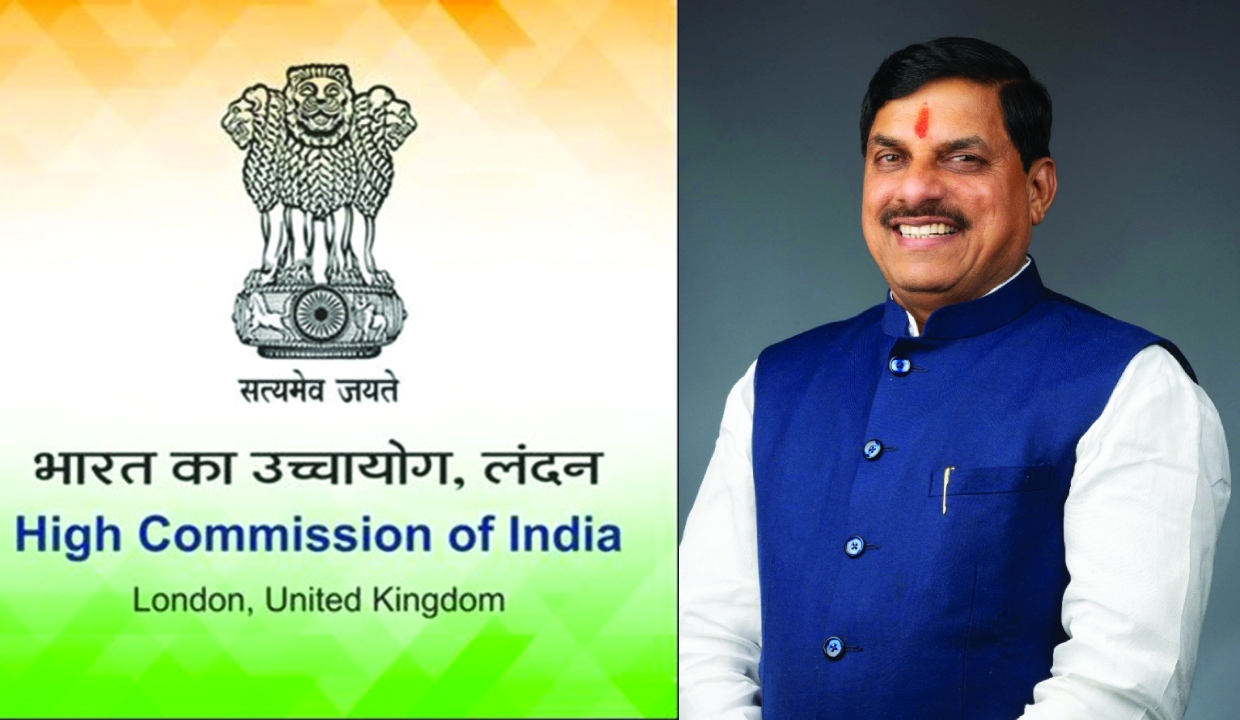
Friends of Madhya Pradesh (FoMP) UK Chapter recently submitted a memorandum to Kartik Pande, Deputy High Commissioner of India in London, requesting pre-departure digital verification and the extension of the UPI One World Visitor Wallet facility for NRIs, OCI cardholders, and foreign pilgrims attending Simhasth Mahakumbh 2028. The memorandum also urges relevant authorities to evaluate enhancing the holding and transaction limit for a “Fully Verified Simhasth Pilgrim” up to `1 lakh, compared to the baseline Rs 50,000 threshold currently specified. This would remain subject to Reserve Bank of India risk evaluations, applicable rules, and prescribed safeguards.
Speaking to MPPOST, Rohit Dixit, Founder of FoMP UK, stated that through the efforts of Madhya Pradesh Chief Minister Mohan Yadav and the state government, Simhasth will bring a large number of NRIs, OCIs, and foreign passport-holding pilgrims to Ujjain, including senior citizens, multi-generational families, and first-time visitors to India.
Based on preliminary operational testing conducted in the UK, FoMP requested support for a controlled pilot program enabling UK-resident pilgrims to execute identity verification before departure. This mechanism would allow international travelers to arrive payment-ready for daily merchant UPI QR transactions, eliminating airport registration queues and cash dependency. FoMP recommended designating a small implementation working group and a dedicated nodal contact to convene initial multi-stakeholder sessions involving the High Commission of India, the Ministry of External Affairs (MEA), the Government of Madhya Pradesh, and FoMP UK. This group can establish priorities, operational mandates, and delivery milestones well ahead of the primary travel window. To facilitate attendance at the proposed UK Simhasth pilot, FoMP UK has urged the High Commission to provide a controlled pre-departure onboarding pilot for UK-resident pilgrims arriving without local Indian banking access or domestic mobile numbers.
This target group includes foreign-passport family members and OCI cardholders without active NRE/NRO accounts. The proposal is derived from live ecosystem testing in the UK and domain experience within payment processing, contributed in a voluntary community capacity. Under an RBI-authorised issuing entity, identity verification should be completed within the United Kingdom itself. Upon confirmation of entry into India, the visitor’s wallet would immediately transition to active status - eliminating the need for duplicate physical KYC, manual agent appointments, or airport queues. Pre-Departure Verification & Instant Activation: Verification takes place before travel, and the wallet is activated upon confirmed entry into India. Zero Domestic Banking Requirement: Eligible temporary visitors will have no requirement for a local Indian mobile number, domestic bank account, NRE account, or NRO account. Addressing Current Friction: UPI QR payments serve as the primary retail payment mechanism across India. While UPI One World allows international visitors to transact using passport and visa documentation without local bank accounts, the key structural challenge lies in timing. Documents can be submitted pre-travel, but final in-person verification currently occurs post-arrival while pilgrims are managing transit, immigration, and accommodation arrangements. During mega-events like Simhastha Mahakumbh, this bottleneck leads to delays, queues, and unnecessary cash reliance. Technical Trial Findings (London Operations): Rather than relying solely on theoretical concepts, FoMP conducted live technical trials directly from London.
Utilising a live NPCI-ecosystem wallet app (CheqUPI), registration, OTP verification via a UK (+44) mobile number, and passport capture were completed. However, final clearance required an immigration stamp certifying physical entry into India. Consequently, complete pre-departure onboarding is structurally impossible under the current infrastructure, regardless of user preparation. Because commercial entities cannot alter this baseline standard independently, formal institutional facilitation via diplomatic channels has been requested.