The living archive of Manipuri silk
Discover how a new collection translates the living archive of Khurkhul silk for modern wearers
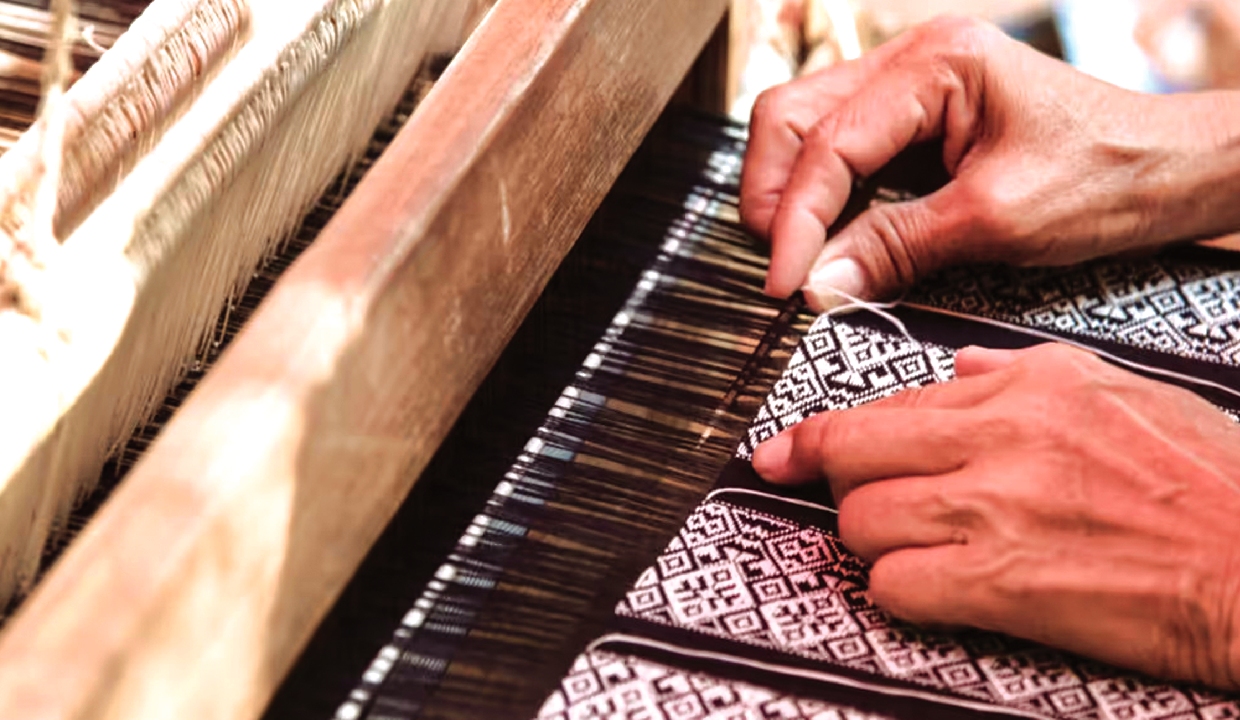
Have you ever touched a piece of cloth that actually tells the story of an entire community? In the village of Khurkhul in Manipur, wooden looms have been shaping local history for generations. The Meitei culture is completely intertwined with this silk, and the craft relies entirely on the everyday dedication of local weavers. They take raw cocoons and spin them into cloth with a beautiful, natural shine that falls effortlessly. The weavers work their own heritage right into the fabric, passing down older techniques with every piece they make. Even the patterns they use act as a direct record of the world around them. The distinctive motifs serve as a living archive of their environment. Patterns such as the energetic Kheiroithek mimic a darting squirrel, while the radiant Kajenlei represents a protective fire halo passed down by hand. This delicate yarn demands an immense gentleness that local families instinctively provide through changing seasons to ensure the legacy of Khurkhul silk remains unbroken.
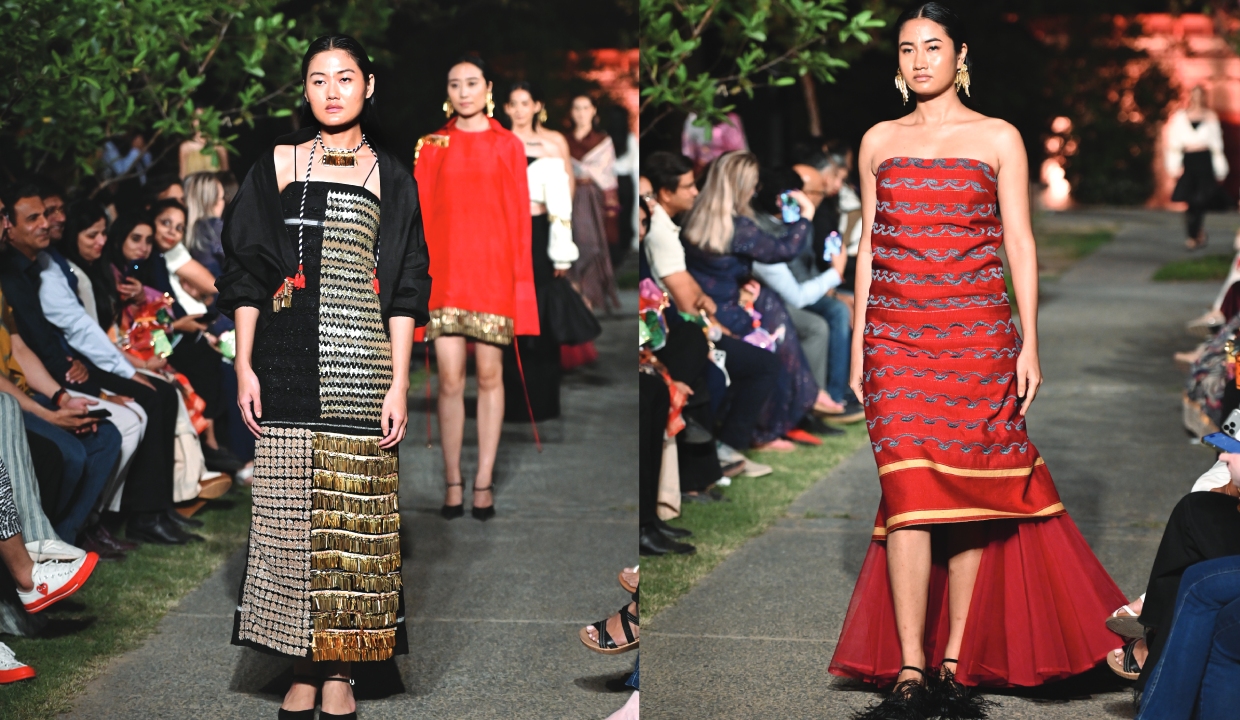
Founders Jayshree Koijam and Reena Ahanthem established a direct relationship with these weavers to bring this careful craft to the capital through their label 11 Tareng. The new collection, KABRANG: The Thread, The Myth, and Our Story, figures out exactly how to pull traditional Manipuri textiles into a contemporary wardrobe. Rather than stripping the silk of its cultural weight, the designers stuck with a handful of local artisans to introduce the fabric to a wider audience properly. Staging the viewing at the Mughal Pavilion in Sunder Nursery was a smart move. The quiet historical backdrop stayed completely out of the way, letting the incredibly detailed loom work do all the talking. The presentation discarded standard runway formats in favour of sculptural movement, allowing the textiles to dictate the pace. Finished pieces displayed on artistic busts drew attention to waistbands known as Khwangchet, acting as deliberate architectural interventions. KABRANG balances the tubular forms of everyday Manipuri attire with dramatic soft drapes. Flowing shirts inspired by the Phee sit comfortably alongside the tailored lines of Phige Phanek skirts and trousers. Visitors experienced a collection that documents an ancient practice while supplying it with a contemporary vocabulary, ensuring the garments carry the history of Manipur and remain entirely adaptable for today’s wearer.