The growing role of ACP panels in future-ready infrastructure
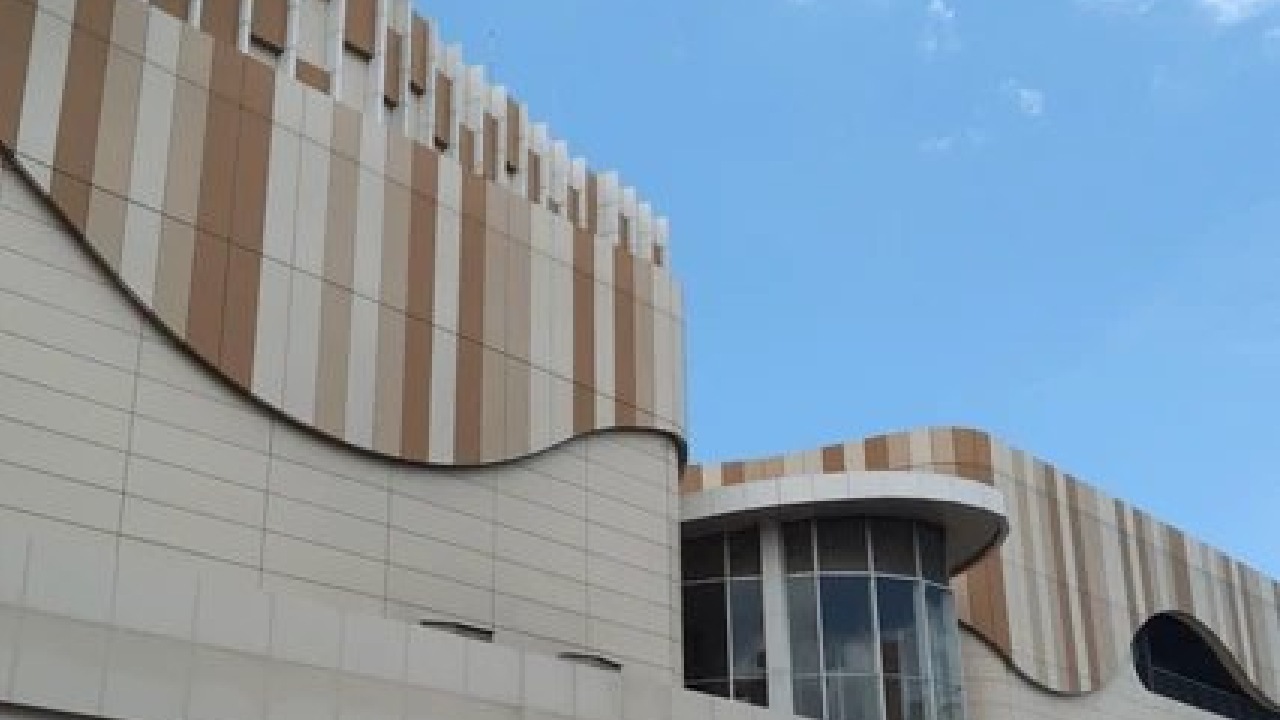
Urban and semi-urban infrastructure across India is undergoing rapid transformation. As cities expand and public spaces grow more complex, material selection has become a critical factor in ensuring long-term performance, safety, and visual appeal. Beyond structural strength, modern infrastructure now demands materials that are durable, low-maintenance, lightweight, and adaptable to evolving architectural requirements.
Aluminium Composite Panels (ACP panels) have emerged as one of the most reliable solutions meeting these expectations. Their increasing adoption across airports, metros, hospitals, educational institutions, and commercial developments reflects their ability to balance functionality with contemporary design needs.
Material Requirements for Long-Term Infrastructure Performance
Infrastructure projects are designed for extended lifecycles and must withstand heavy footfall, changing climatic conditions, pollution, and constant operational stress. Materials used in such environments are expected to maintain structural integrity and surface quality over decades.
ACP panels consist of two aluminium sheets bonded to a non-aluminium core, typically polyethylene or mineral-filled. This composite structure offers high rigidity while remaining significantly lighter than traditional materials such as steel, stone, or concrete. On average, ACP boards weigh between 5–7 kg per square metre, helping reduce structural load and foundation requirements.
Their lightweight nature also simplifies installation, lowers transportation costs, and improves safety during construction. In seismic regions, ACP panels perform reliably by absorbing vibrations without cracking. Compliance with ASTM, EN, and BIS standards further validates their suitability for public infrastructure applications.
Functional Advantages of ACP Boards
ACP boards deliver consistent performance even in challenging environments. Their dimensional stability allows them to withstand temperature variations ranging from approximately -50°C to 80°C without warping or deformation. High-quality surface coatings resist UV radiation, ensuring long-lasting colour retention and surface finish.
The panels also demonstrate excellent resistance to corrosion, moisture, and airborne pollutants, making them suitable for coastal regions, industrial zones, and high-traffic urban areas. With a low thermal expansion rate of around 2.4 × 10⁻⁵ per °C, ACP boards maintain uniform surfaces despite daily temperature fluctuations, preventing visible gaps or surface distortions over time.
These properties make ACP panels particularly effective for large facade applications, retrofitting projects, and high-rise structures. Off-site fabrication enables precision cutting and uniform joints, ensuring consistent quality across large installations.
Common infrastructure applications include:
- Airports and aviation terminals for extensive wall cladding
- Metro stations and railway platforms for interior and exterior surfaces
- Hospitals and healthcare facilities for hygienic, easy-to-clean walls
- Educational institutions for corridors, classrooms, and common areas
Uniform panel surfaces also support digital printing and specialised coatings, ensuring clarity and durability for informational and branding elements.
Role of ACP Sign Boards in Public Infrastructure
Clear and durable signage is essential for efficient wayfinding in public spaces. ACP sign boards provide a robust and stable substrate for both indoor and outdoor signage applications. Their aluminium faces resist fading, scratches, and impact, while the core ensures long-term bonding without delamination.
In transportation hubs, ACP sign boards withstand constant vibrations, dust, and exposure to pollutants. Commercial complexes and civic buildings rely on them for directory signage, regulatory notices, and branding elements. Their modular fabrication allows for scalable designs, from small information plaques to large directional panels, enabling visual consistency across expansive infrastructure projects.
Contribution to Sustainable Construction Practices
Sustainability is no longer an afterthought in infrastructure planning it is a priority. ACP panels fit seamlessly into this shift towards greener construction. Built to last, high-quality ACP boards typically deliver a service life of 20–30 years, requiring little more than occasional cleaning to stay in good condition. This longevity reduces the need for frequent replacements and ongoing maintenance.
A significant advantage lies in the material itself. Many ACP panels are manufactured using aluminium with recycled content of up to 90%, helping conserve natural resources. Their lightweight nature also makes a difference beyond the construction site. Transporting ACP boards consumes considerably less fuel around 30–50% less than heavier alternatives resulting in lower emissions. On-site installation is equally efficient, requiring fewer heavy machines and less energy, which shortens project timelines and minimises environmental impact.
At the end of their long service life, ACP panels continue to support sustainability goals. Nearly 95% of their components can be recycled, diverting waste from landfills and encouraging responsible material recovery. These advantages contribute positively to green building certifications such as LEED, making ACP panels a practical choice for environmentally conscious infrastructure projects
Design Flexibility in Contemporary Architecture
Modern infrastructure projects increasingly demand materials that support both functional efficiency and aesthetic versatility. ACP panels are available in a wide range of finishes, including metallics, solid colours, wood grains, and stone textures, achieved through advanced PVDF and FEVE coatings.
Panel thicknesses generally range from 3mm to 6mm, enabling use across flat facades, curved surfaces, canopies, and interior applications. This flexibility allows architects to maintain visual continuity across exteriors, interiors, and signage while meeting regulatory and zoning requirements.
In mixed-use developments, consistent use of ACP boards helps unify architectural identity without compromising performance standards.
Conclusion
As infrastructure continues to evolve, material choices play a vital role in ensuring durability, sustainability, and operational efficiency. ACP panels have proven their reliability across diverse applications, from facades to signage, offering long-term performance with minimal maintenance. Their adaptability, lightweight nature, and environmental benefits make them a practical choice for future-ready infrastructure.
FAQs
- What are ACP panels, and why are they used in infrastructure projects?
ACP panels are composite sheets made of aluminium bonded to a core material. Infrastructure projects use them for their lightweight construction, durability, weather resistance, and consistent surface finish.
- How do ACP boards support long-term infrastructure performance?
ACP boards resist corrosion, UV exposure, and temperature fluctuations while maintaining dimensional stability. These properties help preserve structural and visual performance over decades.
- Where are ACP signboards commonly used in public infrastructure?
ACP signboards are widely used in airports, metro stations, hospitals, railway platforms, and commercial complexes due to their durability and low maintenance needs.
- Are ACP panels aligned with sustainable construction practices?
Yes. ACP panels support sustainability through high recyclability, long service life, reduced transportation emissions, and lower installation energy requirements.
- What thickness of ACP panels is recommended for high-wind zones?
Panels with thicknesses between 4mm and 6mm are generally recommended for high-wind areas, as they offer increased rigidity while remaining lightweight.
- How do ACP panels compare to glass in terms of cost and maintenance?
ACP panels are typically 40–60% more cost-effective than glass for cladding applications and require less frequent cleaning, significantly reducing long-term maintenance costs.