The child behind the disability
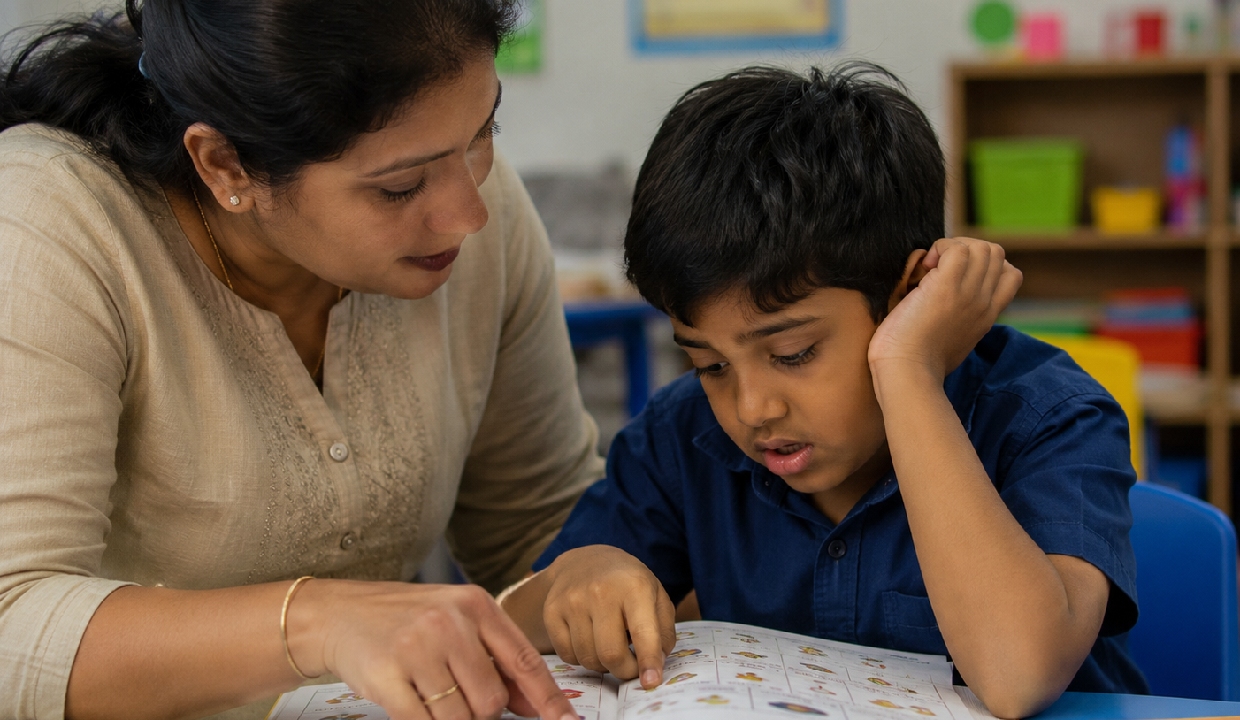
As an educator for over 26 years, I have worn many different hats. I have worked with children, both with and without disabilities, conducted assessments and served as part of diagnostic teams. Each one had its own challenges and rewards. But my most meaningful responsibility was working with the parents or care givers of children with disabilities. By helping them recognise and understand and navigating them through their emotional turmoil in the years that followed was not an easy task. No textbook had prepared me with the knowledge and expertise for this challenge.
Decades ago, many children with disabilities were educated separately, institutionalised, or simply not diagnosed. Fortunately, today we have come a long way in determining, understanding and accepting these disabilities. There are accommodations often provided by schools, work places and public institutions to help support individuals to participate fully in everyday life. Parents and children are less embarrassed and more willing to discuss it openly. The stigma that was once attached to these disabilities has now gradually diminished.
A person with physical impairments, mobility challenges and facial differences are easier to spot and easy for us to offer assistance. They receive special services in their daily living, for example at airports, public parking, public facilities, workplaces, etc. However, disabilities such as Autism, ADHD, OCD, learning disabilities and anxiety disorders are less apparent, hence easily overlooked. They do not receive the same immediate attention and treatment. It is only when one interacts with such individuals and their families that one becomes familiar with their daily challenges.
I remember a conference with a parent who was concerned as to how their son would cope with school. Although there was no formal diagnosis made, doctors suspected he might have autism and might face challenges in life, but it was too early to know for certain.
My heart went out to them when I saw tears in their eyes. The fear of uncertainty was overwhelming and devastating for them. I assured them that every effort would be made to accommodate their son’s needs and for him to be included in a regular classroom setting.
Schools usually conduct their own evaluation, observe them in a classroom setting and then chalk out an individualised education plan that meets the needs of that individual. Teachers work closely with parents and the information and documents are available only to staff members who work directly with the student. The parents left that meeting feeling hopeful and reassured. Since then, I have participated in many such conferences. Each of these meetings has reminded me that not everything can be learned in classrooms or in textbooks. The gratitude and trust shown by these families has been immensely rewarding and the understanding that empathy and compassion go a long way.
Fortunately, there has been tremendous technological advancement in determining the early onset and continued support for individuals who cannot walk, talk or see. to be included in society. There are advanced wheelchairs, voice activated devices, sign language, hearing aids, braille technology and software have opened doors that were not possible in the past. For conditions like, Autism, ADHD, Down syndrome, Dyslexia, Cerebral Palsy, and OCD there is early diagnosis and new medications, counseling services, continued research, grants, technological advancements, media and general awareness in society are more prevalent than a decade ago.After all these years I have come to realise that when people are different and don’t fit in a box of normalcy or within the normal spectrum, we view them with sympathy. While knowledge makes us understand the disability, it is compassion and empathy that helps us understand the child.