The Breathing Mirror
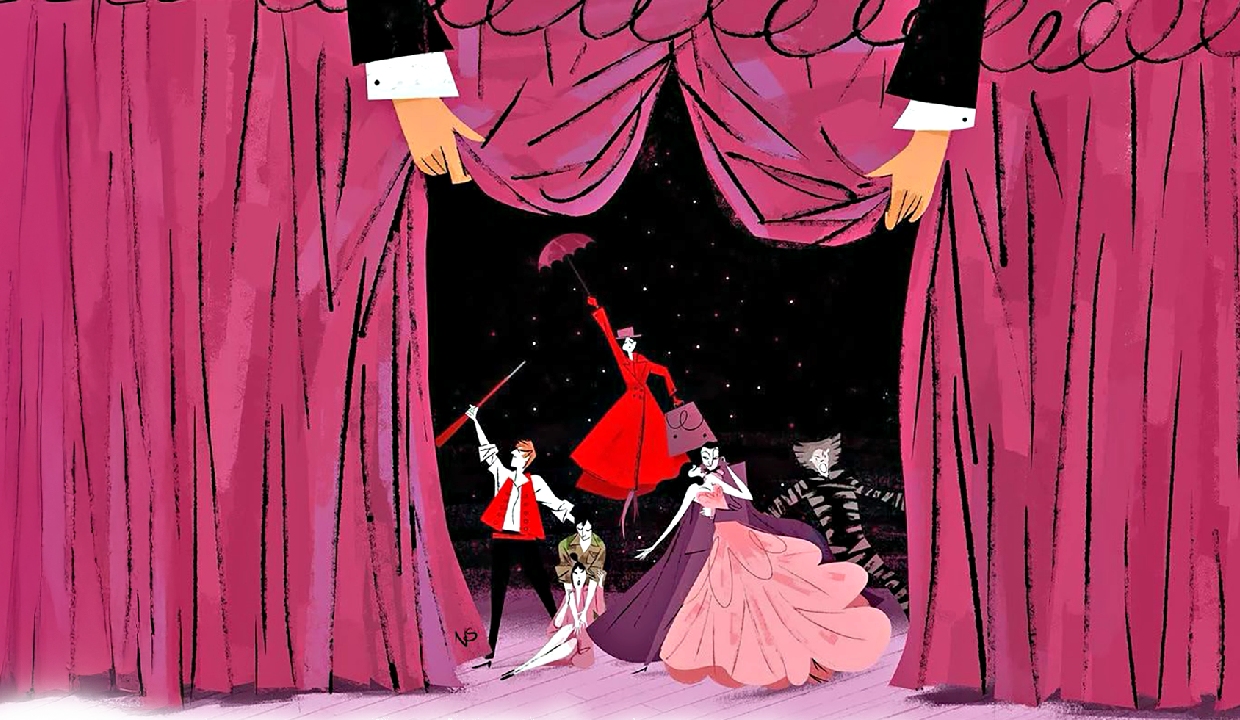
As we celebrated World Theatre Day: the last place where we truly feel human again. It is a raw, physical riot against our cold, digital isolation
An entire lifetime ago, Thornton Wilder managed to perfectly pin down this exact feeling. He looked at the theatre as the absolute greatest of all art forms, simply because it stands as the most immediate, visceral way one person can actually share the raw experience of being human with somebody else. That was long before we started losing entire nights glued to the living room furniture. We scroll blindly through digital feeds, desperate for human contact. We tap a filtered picture of someone we do not even know and call it a community. Meanwhile, we completely ignore the original room built specifically for shared emotion. Look back at the Greeks to see how it is supposed to work. They lacked screens. They physically carved massive stone arenas right out of the dirt and rock. Then thousands of them packed in tight under the open sky just to watch a story unfold in real time. It served as a civic duty and a massive festival at the same time. Actors wore huge masks to throw their voices to the top tiers. The whole city shut down just to feel something together.
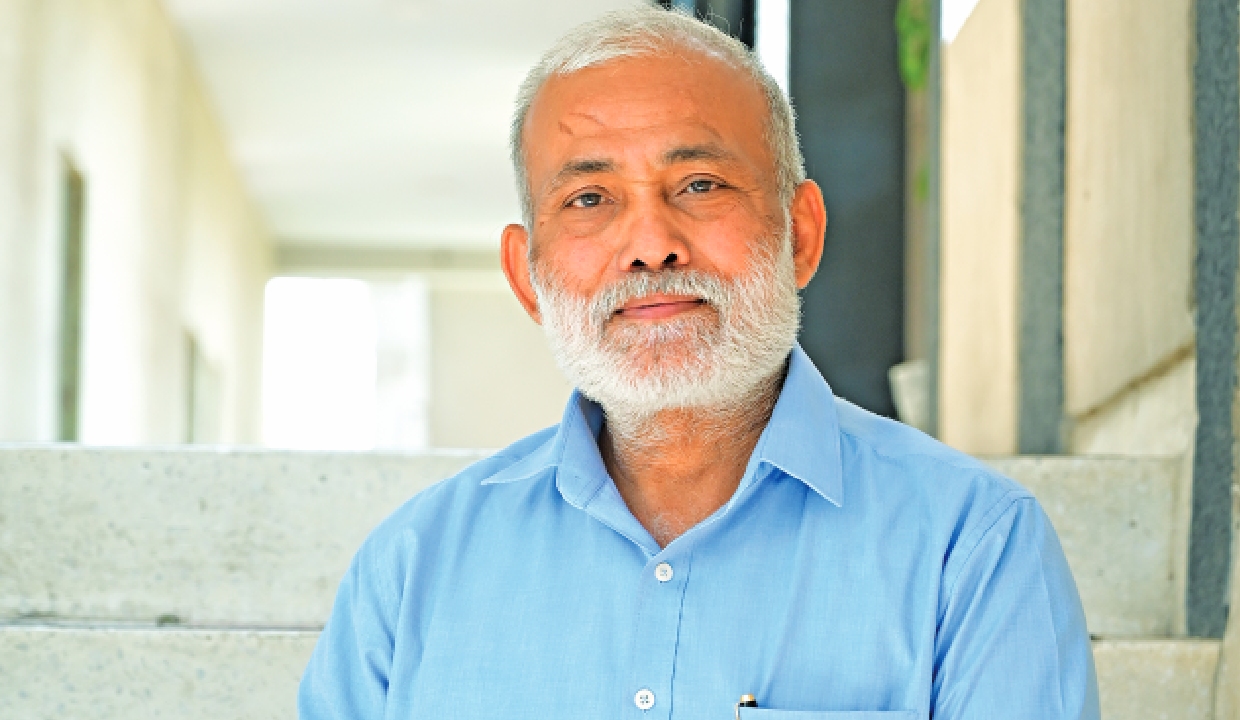
Sitting across from veteran director Arvind Gaur on World Theatre Day, you quickly realise he operates on this exact frequency. He told me that despite our shrinking digital attention spans, the physical stage remains the most accurate mirror we have for our social and political reality. Gaur insists that the canvas is actually growing because the youth are flooding into the medium to open up the dreams of the next generation. He refuses to keep his work locked inside overpriced halls. Gaur shared how his group takes performances directly into slums and college courtyards to force conversations that society wants to ignore. He spoke passionately about a play called Ajivika that actively convinced families to stop sending their daughters into domestic labour. Instead, his theatre group trained thousands of these young girls as commercial taxi drivers across Delhi and Jaipur. His street plays also became the quiet backbone of massive social movements, mobilising thousands of angry youths during the Nirbhaya protests without a single act of violence breaking out on the streets because the raw emotion was channelled into the performance.
Yet the system constantly throws up barricades to silence this kind of raw truth. Gaur recounted a gruelling eight-month fight against archaic British licensing laws that forced actors to pay a thousand rupees and secure police passports just to perform a simple play. He relentlessly argued with authorities and wrote legal articles until the government finally scrapped the rule. He still fights against heavy tax burdens today, but he absolutely refuses to compromise his morals by taking corporate public relations jobs or restrictive government grants to make his life easier.
The most striking part of our conversation was hearing how the stage saved him personally. Gaur was an angry engineering dropout who felt entirely thrown away by society until he found a home in the drama world. He explained how watching two people tear into a bitter conflict in a dark room strips away daily propaganda to leave a stark sense of right and wrong.
The stage keeps him anchored, tackling everything from internet ghosting to the brutality of the war in Ukraine. Theatre physically forces a divided audience to breathe the exact same air and face their shared flaws. Outsiders might see a humble art form, but Arvind Gaur proves it remains the last space capable of taking fractured strangers and quietly making them human again.
The Original Room
Gaur believes theatre is the greatest art form because of its “immediacy.” In an era of thumb-numbing scrolls, theatre is the original shared room. “People claim the audience is shrinking because of social media,” he says, leaning in.
“I don’t buy it.” He points to a recent show of Court Martial where 150 people were turned away at the door. If the story matters, the people show up. It’s that simple. Theatre has always been a mirror to society — social, political, and economic. You cannot separate the play from the people.
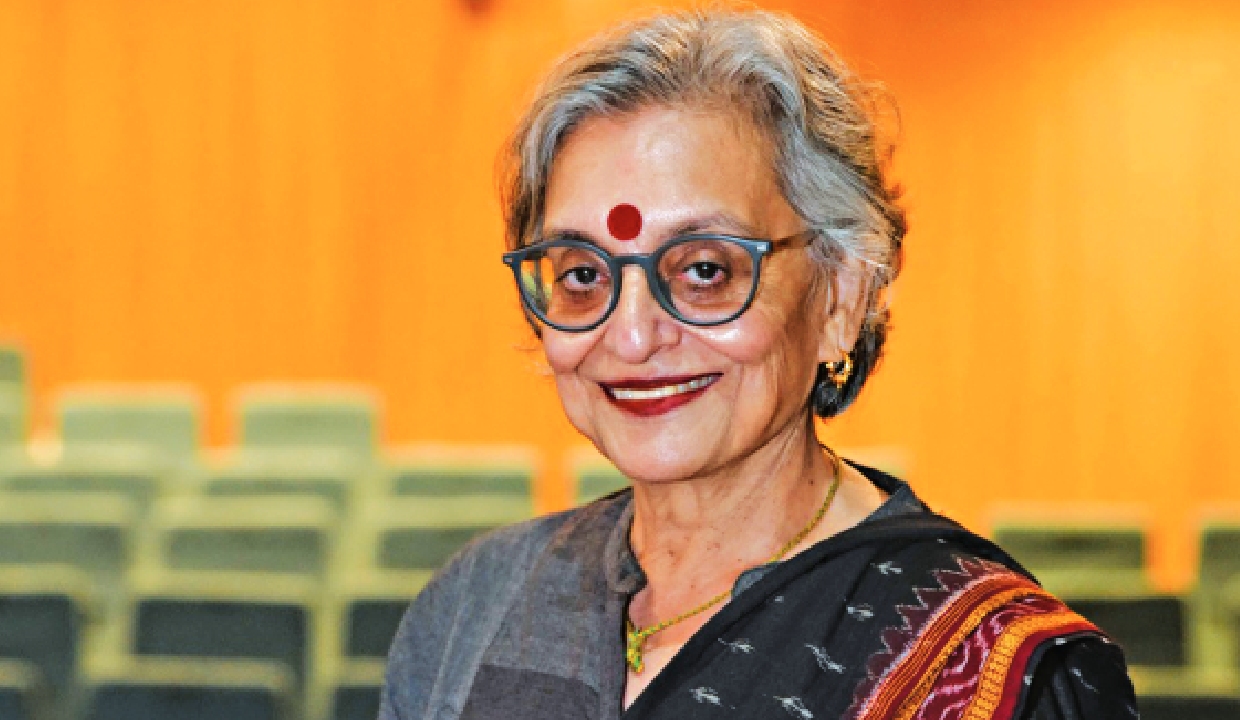
Theatre has the power of direct communication with the audience. Screens are virtual, indirect. On stage, there is this energy exchange between the two, which is immediate and impactful. Cinema needs many tropes like close-ups and atmospheric music to have that effect, which an actor can have through simple gestures and expressions, on stage.
— Sohaila Kapur (Indian theatre director and actor; Views presented are personal.)
As we celebrated World Theatre Day: the last place where we truly feel human again. It is a raw, physical riot against our cold, digital isolation