Teja Singh Samundri: The forgotten nation builder
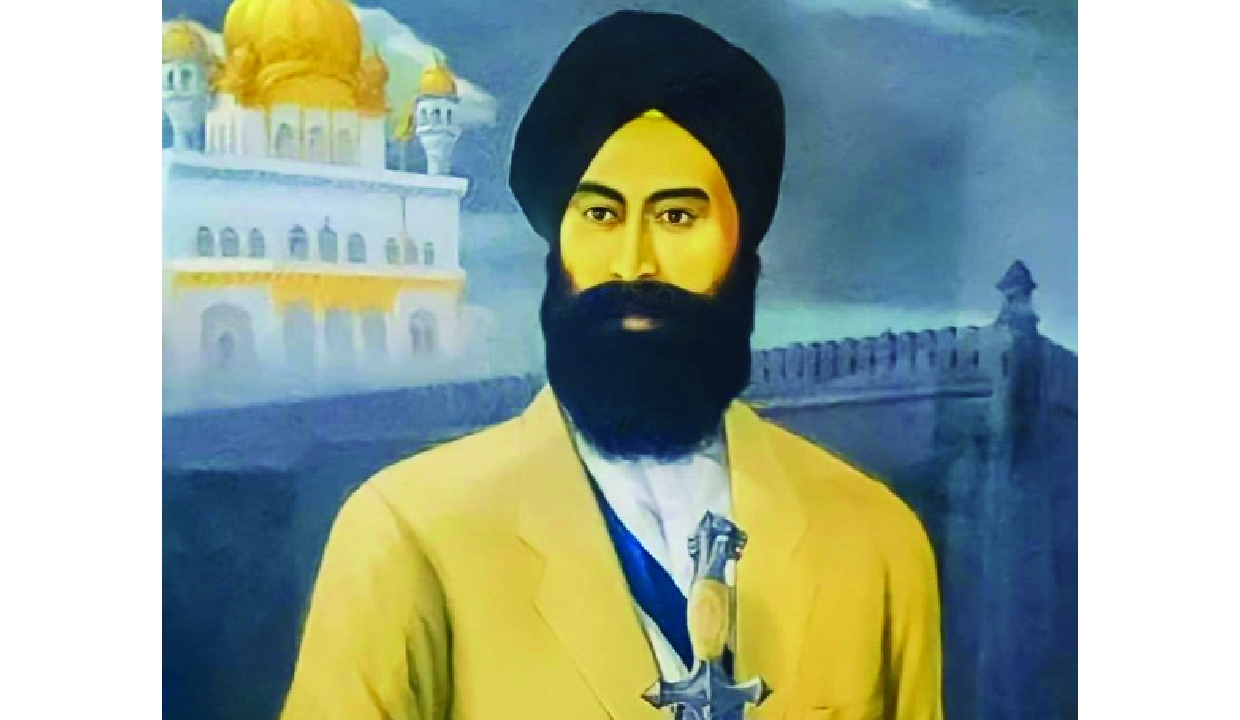
A hundred years ago today, on July 17, 1926, Sardar Teja Singh Samundri, a social leader, reformer and visionary, breathed his last in Lahore Central Jail at the age of 44, succumbing to the harsh repression of the British Raj. While his untimely death marked the loss of an extraordinary leader, his life’s work left behind a legacy that continues to shape India’s history and inspire generations.
As discussions about the broader narrative of Indian nationalism regain prominence, there is renewed value in revisiting Samundri’s remarkable journey. The only individual outside the Sikh Gurus to have a building within the sacred Golden Temple complex named in his honour, he occupies a singular place in Sikh history.
Foremost was his leadership of the Gurdwara Reform Movement (GRM), which reclaimed Sikh religious institutions and restored them to the egalitarian and democratic ideals envisioned by the Sikh Gurus. Equally significant was his ability to weave the cause of religious reform into the larger struggle for India’s independence, inspiring an entire generation of leaders, including the iconic Master Tara Singh. Despite having only limited formal education, Samundri remained a passionate advocate of learning and worked tirelessly to promote educational advancement within the community. Throughout his public life, Samundri placed the interests of his faith and nation above personal gain. He sacrificed his livelihood, pledged his property, and ultimately gave his life in unwavering commitment to principles he believed.
Until the early twentieth century, Sikh gurdwaras were administered by colonial-appointed nominees. Many later claimed hereditary control over shrines and their wealthy endowments. Backed by British authorities, several abandoned Sikh ideals of humility and service, instead treating gurdwaras as personal estates for privilege and material gain.
It was against this backdrop that the Sikh community launched the Gurdwara Reform Movement (GRM), a mass campaign inspired by the teachings of Gurbani as enshrined in the Sri Guru Granth Sahib Ji. Standing in opposition were the British-backed nominees and a section of the Sikh aristocracy that chose to align itself with the colonial administration. Amid this defining struggle, Teja Singh Samundri emerged as one of the movement’s most steadfast and influential leaders.
Born into a Sandhu Jat Sikh family in Rai Burj Ka (Sarhali) village of present-day Tarn Taran district, Samundri inherited not only a strong religious tradition but also a deep sense of public duty. His family-owned agricultural land in Samundri Tehsil of Lyallpur district in undivided Punjab, from which the family adopted its surname. Like his father, Sardar Dewa Singh, and many of his forefathers, Samundri initially served in the British Indian Army. However, his profound faith and commitment to Sikh ideals soon drew him towards the Gurdwara Reform Movement, whose earliest spark had been lit at Gurdwara Rakab Ganj in Delhi. The demolition of Gurdwara Rakab Ganj’s boundary wall in 1911 by British to built New Delhi, sparking Sikh protests led by Samundri, forcing the British to restore it. The victory inspired the Gurdwara Reform Movement, where Samundri emerged as a key organiser, mobilising volunteers and strengthening its institutional foundation.
Samundri’s leadership was defined not merely by words but by personal sacrifice. During the Nankana Sahib agitation of 1921, following the massacre of unarmed protesters on the orders of the local mahant, the Akali newspaper published reports that shook the colonial administration. The British imposed a punitive fine of Rs 40,000 on the publication. Without hesitation, Samundri assured its publishers that he would personally stand guarantee for the amount, even if it meant auctioning his own agricultural lands.
Samundri supported families of imprisoned volunteers by founding the Sikh Desh Bhagat Parivar Sahaik Committee. Beyond leading protests, he emerged as the movement’s chief organiser and institution-builder. His selection among the Panj Pyare for the 1923 Harmandir Sahib karsewa reflected the Sikh community’s highest recognition of his service.
Samundri viewed Sikh religious reforms and India’s freedom movement as interconnected. His participation in the 1923 Indian National Congress Subjects Committee reflected his commitment to justice, Swaraj, and national unity.
Alarmed by the growing strength of the Gurdwara Reform Movement, the British government arrested several of its foremost leaders, including Samundri. Yet imprisonment could not derail the movement. Its sustained and disciplined campaign ultimately compelled the colonial administration to enact the Sikh Gurdwaras Act of 1925, transferring the management of Sikh shrines to the Shiromani Gurdwara Parbandhak Committee (SGPC). The government, however, attached a condition to this concession: before being released, the imprisoned leaders were required to provide a written undertaking that they would neither resume agitation nor challenge any provision of the new legislation.
The demand divided the 31 senior Akali leaders imprisoned at the time. A majority agreed to accept the government’s terms in exchange for their release. However, eleven leaders, among them Teja Singh Samundri and Master Tara Singh, refused to compromise.
It was during this continued imprisonment in Lahore that tragedy struck. On July 17, 1926, Teja Singh Samundri died in jail under circumstances that have never been satisfactorily explained, at the age of 44. His death transformed him from a movement leader into a movement himself.
His legacy was carried forward not only through the institutions he founded but also through the achievements of his family. His son, Bishan Singh Samundri, after receiving higher education from USA and after returning to India, has served as Principal of Khalsa College, Amritsar, before becoming the founding Vice-Chancellor of Guru Nanak Dev University. Whereas his grandson Sardar Taranjit Singh Sandhu has served the country in various capacities ranging from an efficient diplomat to the present Lieutenant Governor of Delhi.
A century after his death, Teja Singh Samundri remains a symbol of principled leadership, courage, and selfless service.
The Writer is the Director of National Book Trust, New Delhi and CEO of New Delhi World Book Fair; Views presented are personal.