Strike dilutes workers’ rights
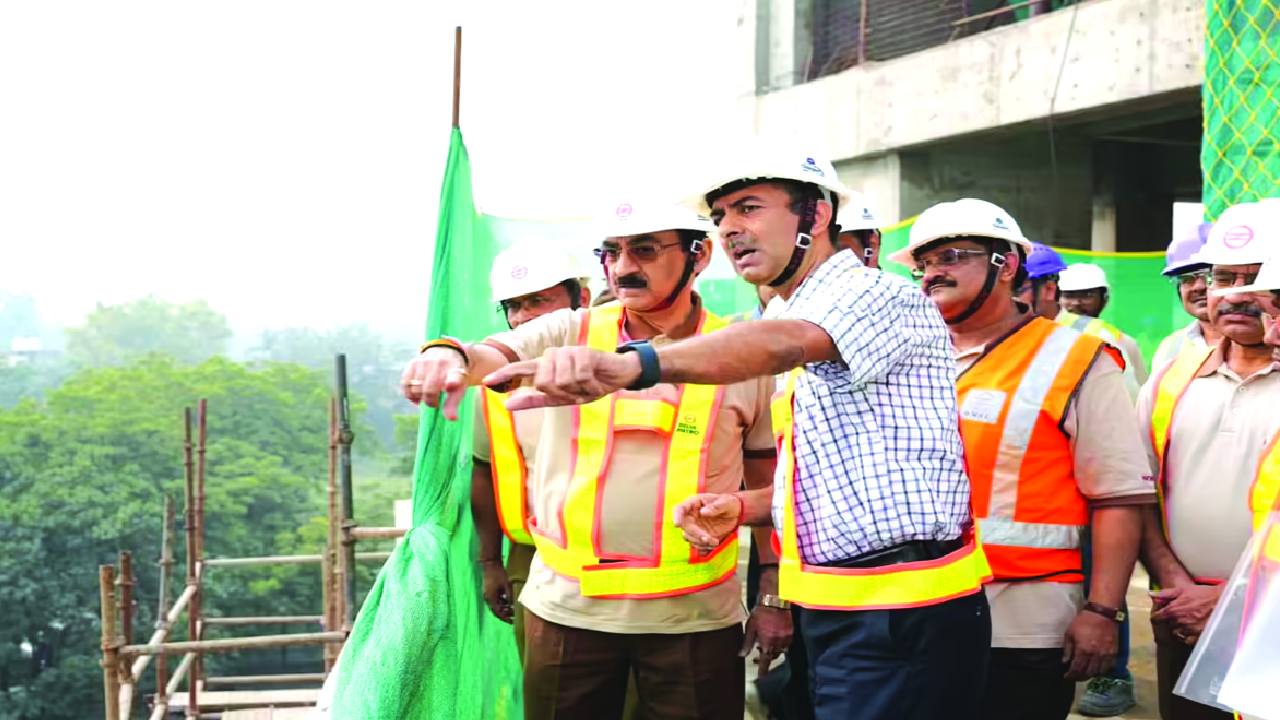
The implementation of the four new Labour Codes marks a significant step toward improving the ease of living for India’s vast workforce, particularly those in the informal and unorganised sectors. These reforms aim to ensure floor-level minimum wages for all workers, without the hurdles of complex industry classifications. By introducing mandatory identity cards for every worker, the Codes seek to empower them with direct access to social security benefits. Regular and compulsory health check-ups will help safeguard workers’ well-being, enabling them to lead healthier and more productive lives. Furthermore, a time-bound grievance redressal mechanism promises to reduce the mental stress and uncertainty faced by aggrieved workers. Collectively, these measures represent a progressive framework focused on dignity, security, and inclusive growth for Indian workers.
However, despite these positive provisions, a section of politically motivated central trade unions frequently resorts to strikes, often without fully considering their adverse impact. Such strikes result in significant wage losses, particularly for the nearly 380 million workers in the informal economy, who depend on daily earnings for survival. Instead of resolving their issues, frequent strikes tend to weaken the process of constructive and rigorous collective bargaining, thereby undermining the possibility of achieving fair and balanced outcomes for workers and employers alike.
Over time, the repeated call for strikes has proved to be both ineffective and counterproductive. The frequency of such actions has led to widespread fatigue among workers, causing an overwhelming majority to disengage or ignore these calls. In some cases, a small section of workers is compelled to participate in strikes against their own will, further eroding the moral legitimacy and collective strength of these movements. Ultimately, this trend diminishes the overall impact of labour welfare measures and weakens solidarity within the workforce.
The broader consequences of strikes extend beyond the workplace. Industrial production suffers, daily commuters face severe inconvenience, and the livelihoods of street vendors, domestic workers, and small service providers are disrupted. For these workers, even a single day’s loss of income can trigger a livelihood crisis, forcing them to exhaust their limited savings and plunge deeper into economic insecurity.
In emerging economies like India, trade unions must prioritise dialogue, negotiation, and constructive engagement with employers and the Government. A model based on sustained bargaining and cooperative problem-solving can resolve workers’ concerns without disrupting manufacturing, employment, and overall economic growth. In the current context, Indian central trade unions, which are gradually losing their influence, need to introspect and adapt to more effective and forward-looking approaches followed elsewhere.
Indian workers should be organised with a holistic vision that emphasises ease of living, social security, and positive engagement. Resolving disputes through dialogue rather than confrontation will ensure that the operational process remains uninterrupted and the engine of national growth continues to run smoothly. Only through such balanced and pragmatic strategies can workers’ rights be genuinely strengthened and protected in the long run.
Author is a National General Secretary, Trade Union Co-ordination Centre (TUCC); views are personal