States Focus
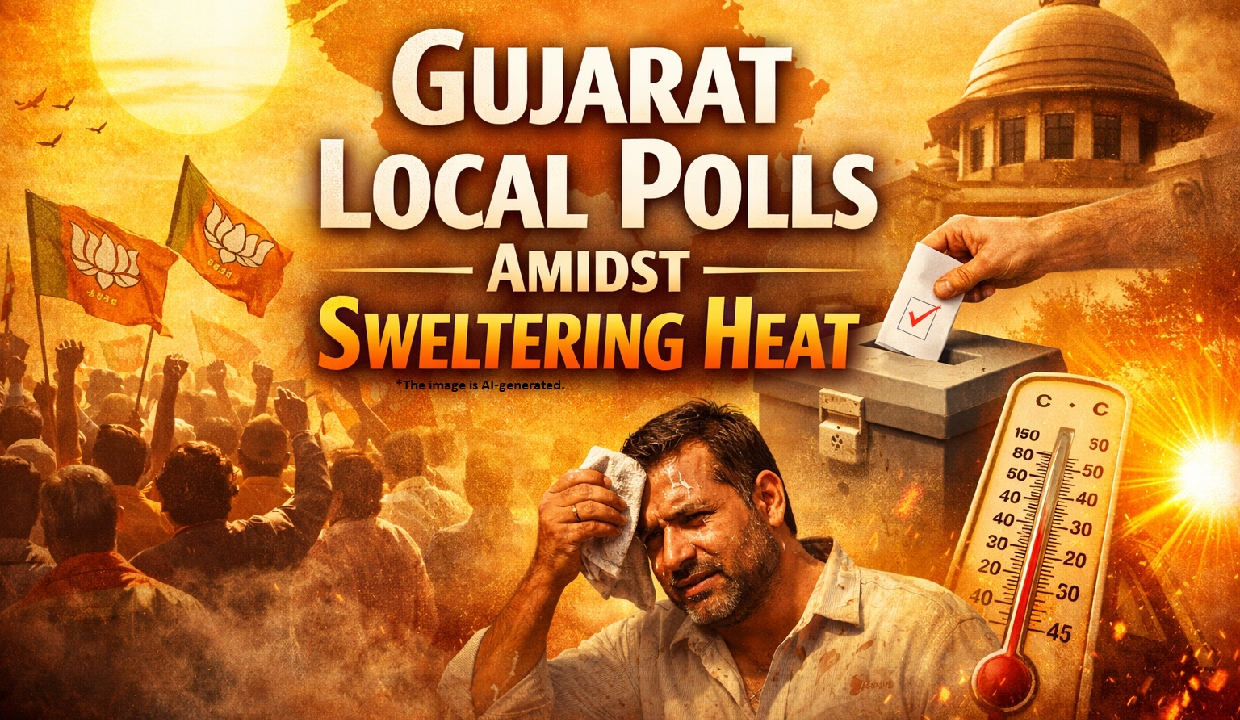
Gujarat Local polls amidst sweltering heat
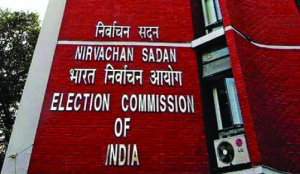
As Gujarat braces for rising temperatures this April, the political climate in the state is heating up alongside it, with the announcement of elections to local self-government bodies. The State Election Commission has declared polls for 34 district panchayats, 260 taluka panchayats, 95 municipalities and 15 municipal corporations. The timing of the elections is being seen as strategically significant, as they precede the results of Assembly elections in other states scheduled during April-May. Political observers believe the State Government has opted for early local polls to insulate them from any potential adverse impact of results elsewhere. The ruling BJP, which has dominated local self-government institutions in Gujarat for over three decades, has swung into election mode.
Known for its strategy of candidate rotation, the party is expected to field a large number of new faces - often replacing 75 to 100 per cent of incumbents - in a bid to counter anti-incumbency.
This approach has made the contest for party tickets intensely competitive. In several urban constituencies, as many as 100 aspirants are reportedly vying for a single BJP nomination, reflecting the perception that securing a BJP ticket significantly enhances electoral prospects in the state.
The Indian National Congress, on the other hand, continues to struggle with organisational challenges in Gujarat. The party is widely perceived to lack strong leadership and a cohesive cadre base. Years of electoral setbacks have left it weakened, with several of its elected representatives having defected to the BJP and subsequently securing re-election. Despite these challenges, the Congress is expected to field candidates across most seats.
The Aam Aadmi Party (AAP), which had made inroads in the Surat Municipal Corporation in previous elections, faces a mixed scenario. The party has already announced its candidates and is attempting to project confidence. However, internal setbacks, including defections of some corporators to the BJP, have impacted its organisational strength in the state.
Recent developments at the national level, including legal relief and renewed political activity by Arvind Kejriwal, have provided some momentum to the party’s campaign in Gujarat. Nevertheless, AAP continues to grapple with the absence of a strong and established local leadership.
Gujarat, often regarded as a key ideological stronghold for the BJP, is expected to witness an intense campaign. Senior party leaders remain confident of retaining dominance despite murmurs of public discontent. A senior BJP functionary, when queried about anti-incumbency, expressed confidence that campaigning by Narendra Modi would significantly influence voter sentiment, asserting that voters in Gujarat continue to repose faith in his leadership.
While opinion polls and political narratives vary, most analysts agree that the BJP is likely to retain its dominant position in Gujarat’s local bodies, albeit with possible changes here and there.
With both temperatures and political stakes rising, Gujarat is set for a high-voltage electoral contest in the days ahead.
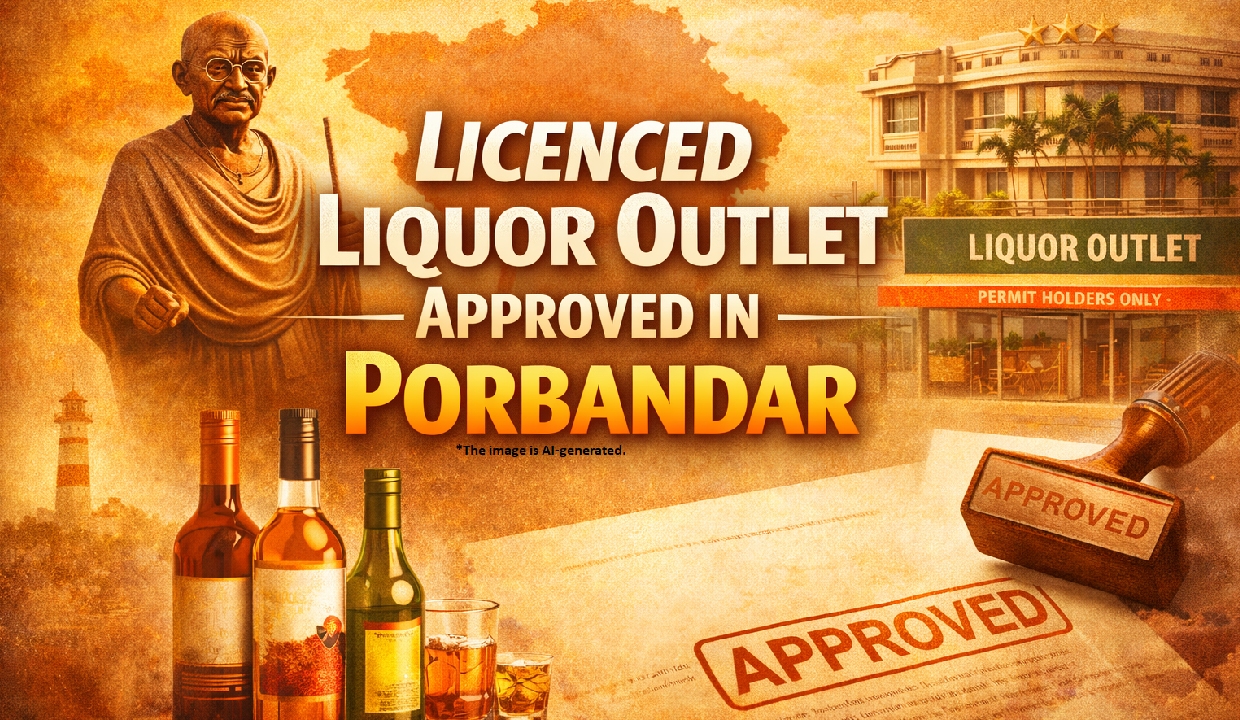
Licenced liquor outlet approved in Porbandar
For over seven decades since Independence, Gujarat has remained the only state in the country to consistently enforce a policy of prohibition, rooted in its identity as the birthplace of Mahatma Gandhi, who strongly advocated abstinence from alcohol. The prohibition law has long been projected as a reflection of Gandhian ideals and a cornerstone of the state’s socio-political ethos. However, in a notable and pragmatic shift, the Gujarat Government has now granted permission for a licensed liquor outlet in Porbandar — the very birthplace of Mahatma Gandhi — marking a significant departure aimed at balancing tradition with modern economic and tourism needs. In a policy move cleared in March-April 2026, the state has approved the opening of a licensed liquor shop within a three-star or five-star hotel or resort in Porbandar.
The initiative is designed to promote tourism while providing regulated access to alcohol for eligible permit holders in the prohibition state.
According to official sources, the decision will primarily cater to tourists, non-resident Indians (NRIs), and individuals holding valid health permits. At present, around 1,500 health permit holders in Porbandar are required to travel to neighbouring districts such as Junagadh and Jamnagar to procure liquor legally. The new arrangement is expected to ease this inconvenience by enabling local access under regulated conditions.
Under existing rules, individuals possessing a ‘health permit’ will be able to purchase liquor from the authorised outlet. Additionally, tourists visiting Gujarat from other states can obtain a temporary permit valid for up to one week, while NRI visitors are eligible for permits of up to one month. These permits are typically facilitated through designated hotels upon arrival.
Gujarat continues to enforce prohibition laws, with controlled relaxations in select cases to support tourism and specific categories of consumers. Officials maintain that the latest decision aligns with the state’s broader strategy to enhance tourist infrastructure while ensuring compliance with regulatory norms.
The development is being viewed as a balancing act between maintaining the state’s long-standing prohibition policy and addressing the practical needs of visitors and authorised consumers.
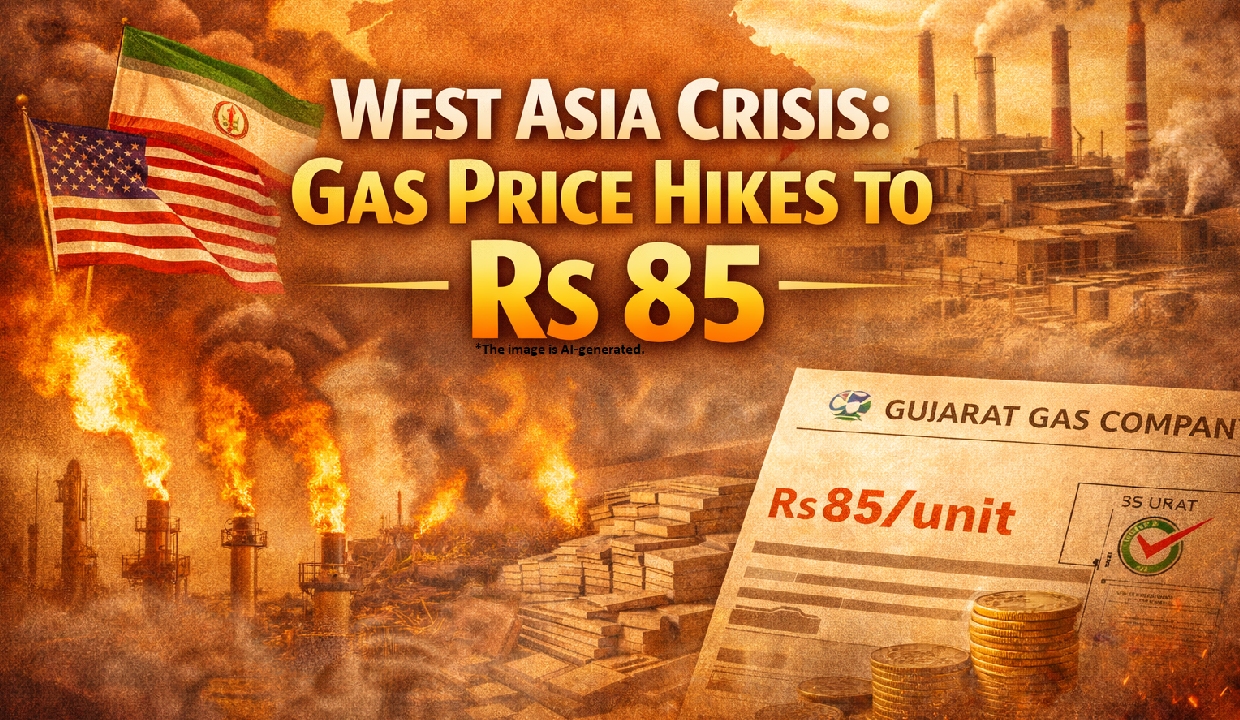
West Asia crisis: Gas price hikes to Rs 85
The ongoing conflict between the United States and Iran has begun to cast a shadow on Gujarat’s industrial growth, with the ceramic hub of Morbi facing a severe crisis due to a sharp rise in natural gas prices. The ceramic industry in Morbi, which has witnessed rapid growth over the years, is now under significant strain. Around 500 to 550 factories have shut down since mid-March, while the remaining 70-odd units that are still operational are also on the verge of closure as natural gas prices are set to double. According to the existing pricing structure of Gujarat Gas Company, industries consuming up to 50 per cent of allocated gas were supplied at Rs 41 per unit (plus taxes). However, from April, the company has revised the indicative price to Rs 85 per unit (plus taxes), marking a steep increase. The primary reason for the price hike is the massive surge in demand, estimated at around 70 lakh cubic metres of gas from Morbi alone. With propane gas currently unavailable, industries that earlier relied on propane are now shifting to natural gas, further intensifying demand pressures. At present, about 70 ceramic units remain operational and are dependent on Gujarat Gas for supply. Disruptions in the global supply chain due to the conflict have impacted fuel availability, prompting Gujarat Gas Company to initially curtail supply, forcing the Morbi ceramic industry to undertake a month-long shutdown.
With alternative fuels like propane also facing supply constraints, natural gas has become the only viable option for the industry.
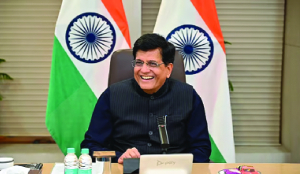
The sudden and steep increase in gas prices has created serious concerns for ceramic manufacturers in Morbi, as it is expected to significantly raise the production cost of tiles, posing a major challenge to the industry’s sustainability. Parliament on Thursday passed a bill to amend 784 provisions in 79 central laws for decriminalising and rationalising minor offences to further improve the country’s business environment. The Jan Vishwas (Amendment of Provisions) Bill, 2026, was passed in the Rajya Sabha with a voice vote after Commerce and Industry Minister Piyush Goyal replied to a discussion on the legislation. The minister said the legislation will help citizens and MSMEs. The bill was passed by the Lok Sabha on Wednesday. These laws are administered by 23 ministries, including coal, commerce and industry, shipping, urban development, and transport. Out of 784, 717 provisions are being amended for decriminalising minor offences and 67 to facilitate ease of living.