Stage set for India’s biggest tax reset
Finance Minister Nirmala Sitharaman on Sunday said the Income Tax Act, 2025 will be implemented from April 1 and rules and tax returns forms will be notified shortly. Beginning April 1, the Income Tax Act, 2025, will come into force replacing the six-decade-old tax law and the changes made in tax laws in 2026-27 Budget will be incorporated in the new legislation.
The 2025 IT law is revenue neutral with no change in tax rates. It has only made direct tax laws simple to understand, removed ambiguities, thereby reducing scope for litigations. It reduces text volume and sections by about 50 per cent vis-a-vis the 1961 Income Tax Act. The new law simplifies the tax timeline by doing away with the distinction between the assessment year and the previous year, replacing it with a single “tax year” framework. It also allows taxpayers to claim TDS refund even when ITRs are filed after deadlines, without any penal charges.
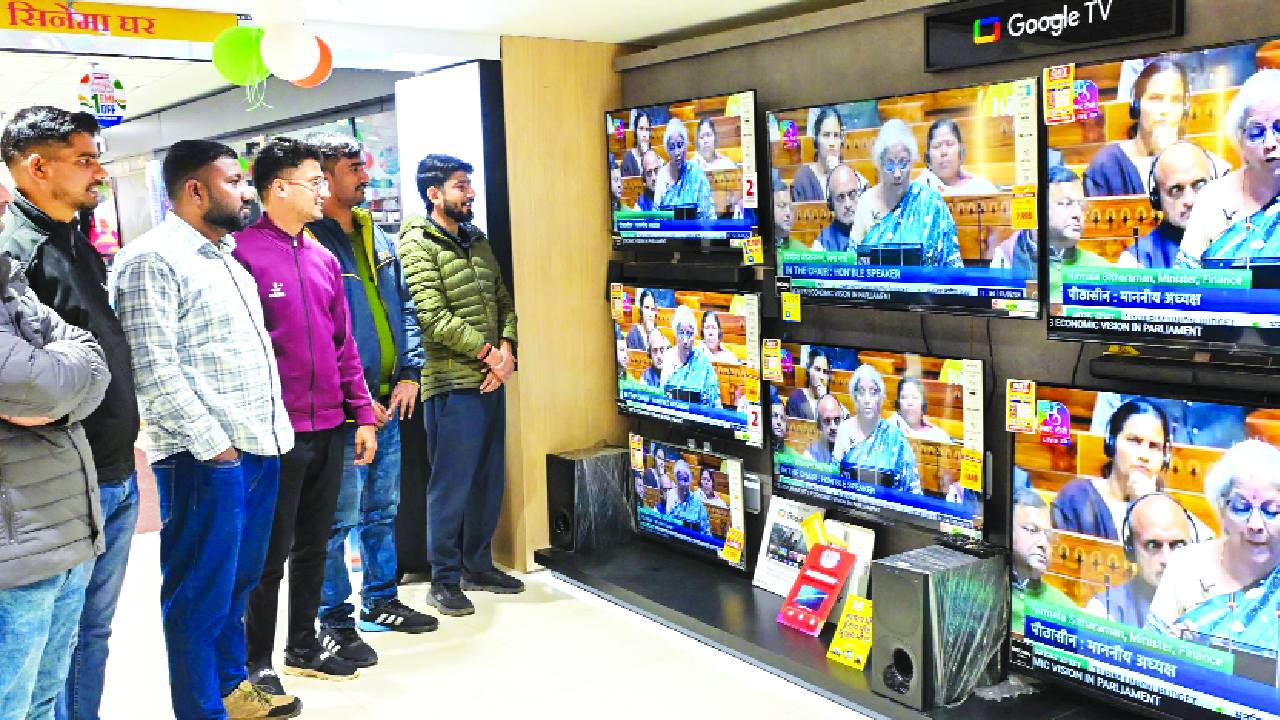
In her Budget speech in the Lok Sabha on Sunday, she said, “This (direct tax code) was completed in record time and the Income Tax Act 2025 will come into effect from first April 2026. The simplified income tax rules and forms will be notified shortly, giving adequate time to taxpayers to acquaint themselves with its requirements.” The forms have been redesigned, such that ordinary citizens can comply without difficulty, she added.
With income tax slabs remaining unchanged, the budget proposed reduced penal and prosecution procedures. The tax rates for individuals, HUFs remain, with the first INR 4,00,000 of income being tax-free. The due date for filing returns for non-audit business cases and trusts is extended from July 31st to August 31st.
Taxpayers can now file declarations for no deduction of tax (Form 15G/15H) directly with a Depository for listed securities, rather than submitting them to every individual company. Payees can now apply electronically for certificates for lower or nil deduction of tax.
Taxpayers are now permitted to file an updated return even after a reassessment notice (under section 280) has been issued. Filing an updated return is now allowed if it results in reducing a loss previously claimed in a return. The time limit for filing a revised return is increased from 9 months to 12 months from the end of the relevant tax year. Union Budget also proposed to increase time limit for filing revised income tax (I-T) return from December 31 to March 31, on payment of nominal fee.
Finance Minister also announced an amnesty scheme for small taxpayers like students, young professionals, tech employees, and relocated NRIs, who have failed to disclose foreign income or assets in income tax returns. A one-time six-month foreign asset disclosure scheme will be applicable for two categories of taxpayers — who did not disclose their overseas income or asset and who disclosed their overseas income and/or paid due tax, but could not declare the asset acquired.
However, cases involving prosecution or proceeds of crime are proposed to be excluded from the scheme. As per the scheme, taxpayers having undisclosed overseas income or assets up to Rs 1 crore, will be required to pay 30 per cent of the undisclosed income or fair market value of the asset, and a 30 per cent additional income tax in lieu of penalty to escape prosecution. For taxpayers who have disclosed their income but did not declare their assets up to Rs 5 crore will have immunity from penalty and prosecution after payment of a fee of INR 1 lakh. Under existing legislation dealing with foreign blackmoney, such violations attract a penalty of INR 10 lakh and prosecution.