
Lashkar commander admits over 30 operatives killed in Pak
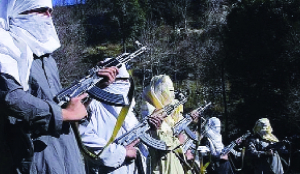
A top member of the Pakistan-based terrorist group Lashkar-e-Tayyiba (LeT) has openly admitted that the group has suffered heavy losses. Rizwan Hanif, who is a senior commander and deputy chief of LeT’s Pakistan-occupied Jammu and Kashmir (PoJK) wing, said that “unknown gunmen” have killed over 30 group members in Pakistan and PoJK in the last three to four years.
The video, reportedly filmed in May 2026 and recently appearing on social media, shows Hanif speaking to supporters and mentioning places like Peshawar, Karachi, Rawalpindi, Muzaffarabad, and Rawalakot. Hanif said, “Over the past three to four years, more than 30 of our people have been killed by Indian intelligence agents,” and described this as an “unknown gunman model.” Indian security agencies have confirmed the video is real and that Hanif is a wanted LeT terrorist involved in recruiting, cross-border infiltration, and working with proxy groups.
LeT carried out the 2008 Mumbai attacks, which killed 166 people, and has been linked to other major incidents in India. The United Nations has sanctioned the group for its ties to al-Qaeda and the Taliban. Pakistan has repeatedly said that LeT was banned and shut down years ago. But Hanif’s statement on video challenges this claim, offering a rare public admission that the group is still active and facing problems.
Hanif did more than report the deaths. He called those killed martyrs and claimed their only “crime” was their faith. He also used harsh and offensive language against other religions. His speech shows how these groups keep trying to radicalise their followers, even as they lose members. Experts have noticed a trend of similar unclaimed killings of militants linked to LeT, Jaish-e-Mohammed, and other groups in Pakistan in recent years. Unknown shooters often carry out these attacks, and no group takes responsibility.
India has strongly denied any role in these incidents. Officials have rejected similar claims before, saying that Pakistan’s internal violence is due to its own security problems, such as rising militancy and protests in PoJK, Balochistan, and Khyber Pakhtunkhwa. The video’s release comes at a time of wider unrest in these areas, raising questions about whether these groups can still operate freely.
Hanif’s admission stands out because it is so rare. Terror groups usually hide their losses and try to appear unbeatable. By blaming “Indian agents,” Hanif might be trying to motivate his followers, avoid blame, or put pressure on Pakistani officials. Still, his claim also shows that these groups are active in Pakistan, even though they are officially banned. They continue to recruit and lose members in cities far from any war zone. This has bigger consequences. For years, the “unknown gunmen” issue has led to rumours and conspiracy theories on both sides of the border.
While no independent evidence has substantiated foreign orchestration of every incident, there is no independent proof that foreign groups are behind every attack. Still, the overall impact on militant leaders is clear. Some people linked to major attacks have also been killed, making the remaining members feel under threat.
As the video spreads, it is a strong reminder that groups like LeT are still a danger and are under pressure from within. Pakistan’s claim that these groups no longer exist is now directly challenged by one of their own leaders. It is unclear if this admission will lead to more accountability, more fear among members, or just more propaganda. The “unknown gunmen,” whoever they may be, have forced a rare moment of candour from a group more accustomed to denial and defiance.