Sitharaman Presents Ninth Budget Guided by Three Kartavyas
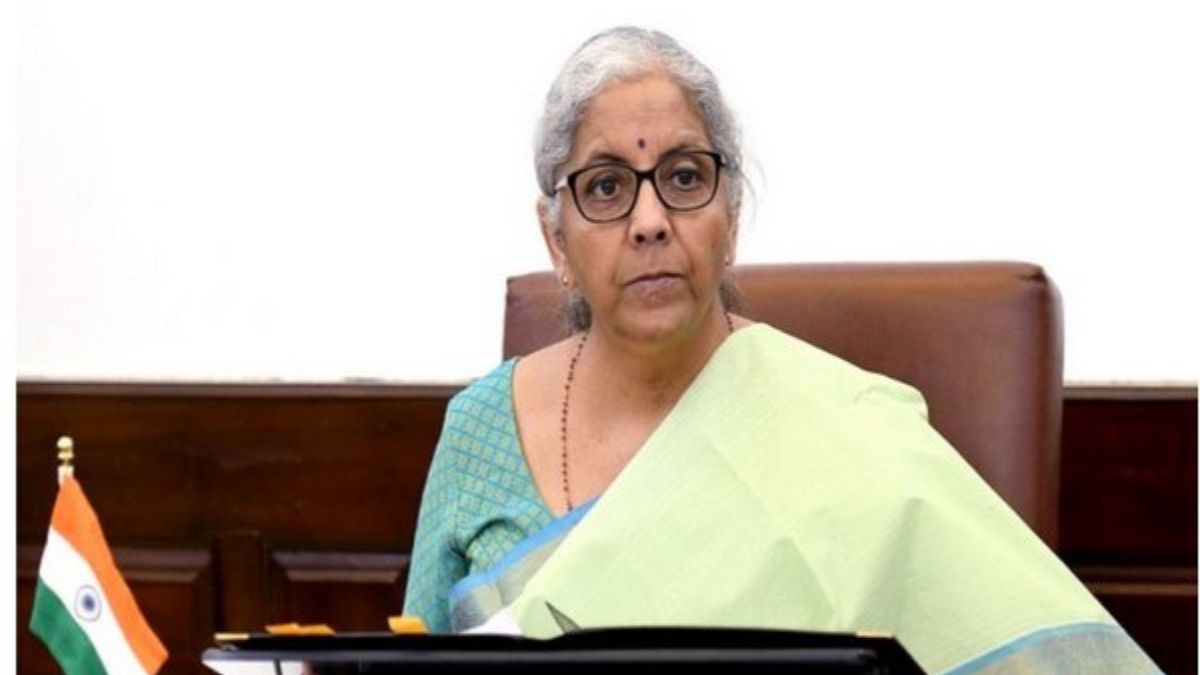
Finance Minister Nirmala Sitharaman today presented the Union Budget 2026, her ninth consecutive Budget, anchoring it in three core kartavyas—responsibilities aimed at accelerating growth while ensuring long-term economic stability. The Budget blends structural reforms with selective relief measures, even as it leaves some key expectations unmet.
Among the most significant announcements is targeted relief for cancer patients. The government has exempted basic customs duty on 17 essential cancer drugs and medicines, a move expected to substantially lower treatment costs and improve access to life-saving therapies. In another forward-looking decision, imports for nuclear power projects have been granted customs duty exemption until 2035, underlining the government’s commitment to clean and reliable energy as part of India’s transition strategy.
The Budget has also led to price reductions across a range of consumer and industrial goods. Overseas tourism packages and foreign education are set to become more affordable due to rationalisation of duties. Footwear, leather products, microwave ovens, television equipment, cameras and video game manufacturing components are also expected to see cost relief. In addition, alcoholic liquor scrap, select minerals and equipment related to energy transition have been made cheaper, aimed at boosting domestic manufacturing and sustainability-linked investments.
However, the Budget has disappointed sections of the middle class. Income tax payers hoping for higher rebates or changes in standard deduction saw no relief, as the government chose fiscal discipline over immediate tax concessions.
On the flip side, several items and activities will become more expensive. Penalties for income tax misreporting have been significantly tightened, with a fine equal to 100 per cent of the tax amount for serious violations. Non-disclosure of movable assets will also attract stricter consequences, reinforcing the government’s push for compliance and transparency.
Market-related costs are set to rise, with stock options and futures trading becoming costlier. Coal, coffee and vending machines will also see higher prices due to revised duty structures.
Overall, Budget 2026 reflects a calibrated approach—offering targeted relief and long-term policy signals while prioritising compliance, energy security and fiscal prudence over populist tax sops.