Sewer deaths: Sanitation workers to hold protest at Jantar Mantar
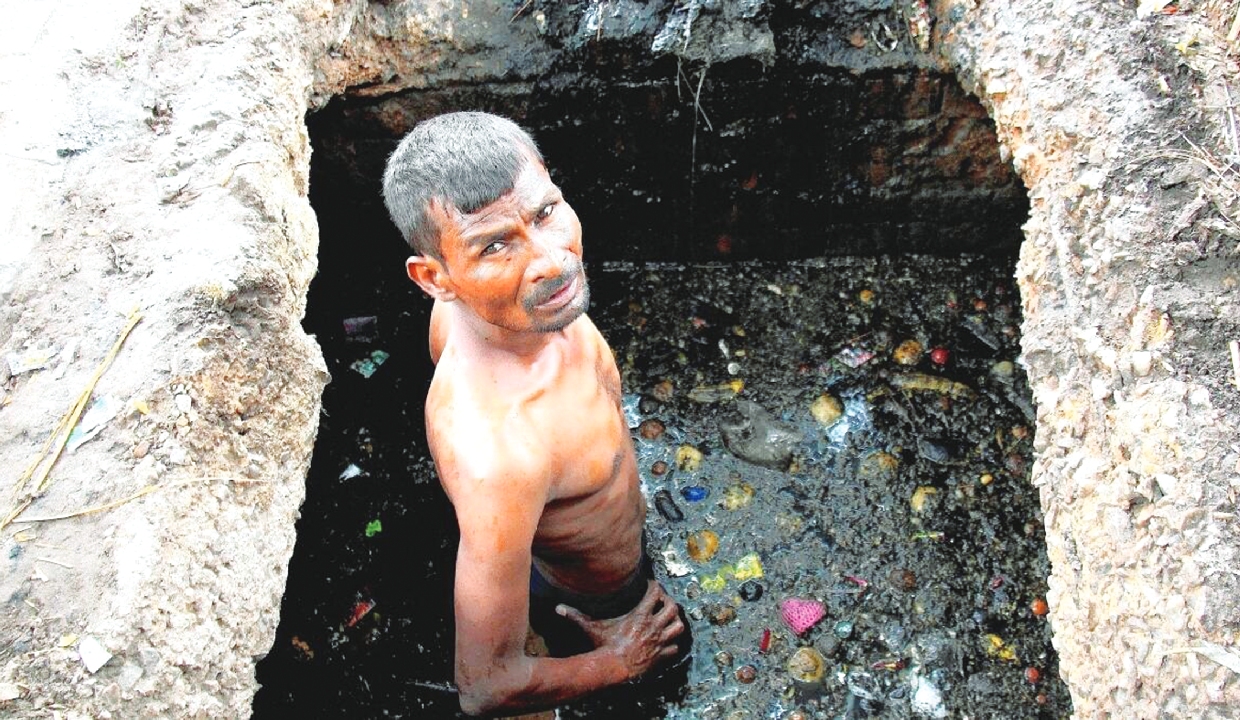
The Safai Karmachari Andolan (SKA) will organise a massive protest demonstration and dharna at Jantar Mantar on Wednesday to demand an immediate end to the “killings” of workers in sewers and septic tanks across the country.
The protest will see the participation of safai karmacharis from 10 States, activists, and the families of those who have lost their lives in the line of duty. A formal letter of demands addressed to the Prime Minister will be released during the programme, calling for urgent State intervention.
National Convenor of the SKA, Bezwada Wilson, expressed deep anguish over the Government’s perceived silence on the issue. “With deep pain, we state that one person is killed every second day in sewers and septic tanks in this country, but the Government is completely silent over this,” Wilson said.
The SKA alleged a significant discrepancy between official figures and ground reality. According to the organisation, the Government has consistently “manipulated and minimised” death data. For the year 2025, the SKA recorded 121 deaths in sewers and septic tanks, while Government figures reported only 46. Similar gaps were noted for 2024, where the SKA recorded 116 deaths against the official report of 55. “The year 2026 has just started, and there have been 41 deaths already - 41 killings in three months,” Wilson noted, adding that the Prime Minister should acknowledge this failure and issue a national apology.
Beyond sewer deaths, the SKA highlighted the persistence of illegal manual scavenging in dry latrines across Uttar Pradesh, Madhya Pradesh, Bihar, and Jammu and Kashmir. The organisation slammed “false claims” made by ministers in Parliament regarding the elimination of the practice, calling it a denial of the lived realities of Dalit communities, especially women.
The SKA, which has been campaigning against the atrocity for 40 years, stated that the protest aims to challenge the claims of development and economic growth while the most marginalised continue to face “dehumanising” conditions.