SC invokes special powers to scrap FIRs over CJP protests
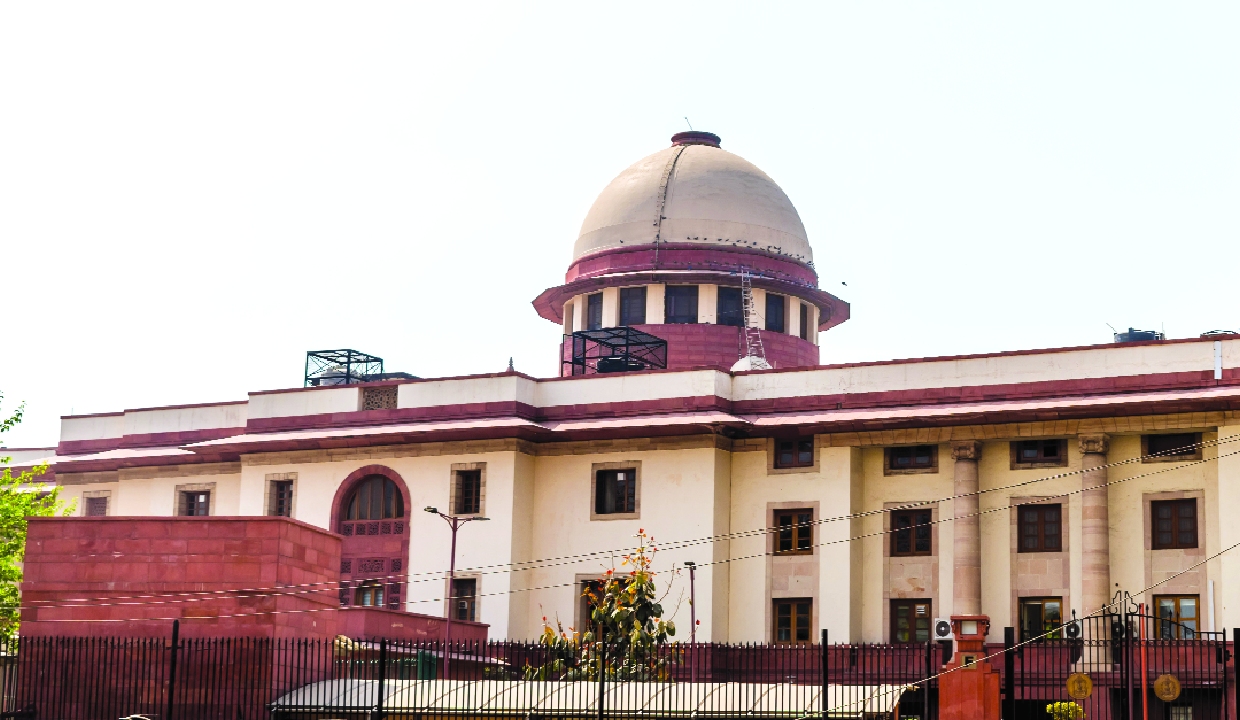
The Supreme Court on Tuesday invoked its special powers under Article 142 of the Constitution to quash all FIRs against student protesters who faced FIRs for participating the Cockroach Janata Party-led protests between July 20 and 25, except those with criminal antecedents. CJP spokesperson Saurav Das told the SC that after Government’s positive response and the court’s order, the group has decided to withdraw its call for the September 5 protest. This followed a submission by Delhi Police and Governments of four NDA-ruled States, that the cases filed against protesters regarding the July 20 CJP protest will be withdrawn and no new cases will be filed in the future regarding the same protest.
A Bench of Chief Justice of India (CJI) Surya Kant, Justice Joymalya Bagchi, and Justice V Mohana quashed criminal cases after the Union Government and respective State Governments moved applications to seek quashing of the cases.
Article 142 empowers the SC to pass any orders to do complete justice. The Bench said its invocation of Article 142 was subject to both sides abiding by the understanding reached before it. “All FIRs mentioned are hereby quashed. If there is any other FIR registered with regard to same incidents of protests between 20-25 July in any State/UT which is not formally brought to our notice, they shall not be pursued or investigated and shall be taken as closed for all intents and purposes,” the Bench said.
Welcoming the SC order, Union health minister JP Nadda said the welfare and progress of the country’s youth remained the Government’s utmost priority.
The bench also took note of the submissions of Solicitor General Tushar Mehta and widened the ambit of its order. “If there is any other FIR registered with regard to same protest between July 20 to July 25 in any of the states or UTs, which are not before this court, they shall not be pursued and will be treated as closed,” it said.
The bench also directed that similar FIRs in other States and Union Territories — other than Delhi, Bihar, Maharashtra, West Bengal and Assam — shall not be pursued or investigated, meaning they shall be considered closed for all intents and purposes.
The bench, however, allowed Delhi Police to pursue the FIR against 2,873 individuals who were present at the Jantar Mantar protests, citing their serious criminal antecedents.
During the hearing, the Union Government proposed registration of a single, fresh FIR against those persons. “Such an FIR can be registered without prejudice to the rights of the affected parties to seek remedies available to them in law, and strictly confined to the two categories of allegations referred to in paragraph 4, namely, bodily harm and destruction of property,” the court said.
Dealing with the award compensation to the families of those who committed suicide, the Bench directed the Government to formulate a pan-India policy on the issue and pay the money within three months to aggrieved families. Solicitor General Tushar Mehta, appearing for the Union Government and Delhi Police, also informed the SC that the Government remained committed to fulfilling all three assurances given to CJP leaders.
Earlier, Delhi police filed an affidavit in the top court seeking quashing of 13 FIRs against students who participated in the protests and registering a fresh case against 2,873 individuals. The application said that, according to the decision taken by the Central Government on July 25, Delhi Police no longer wished to pursue the 13 FIRs.