SC calls digital fraud dacoity, orders SOP to protect victims
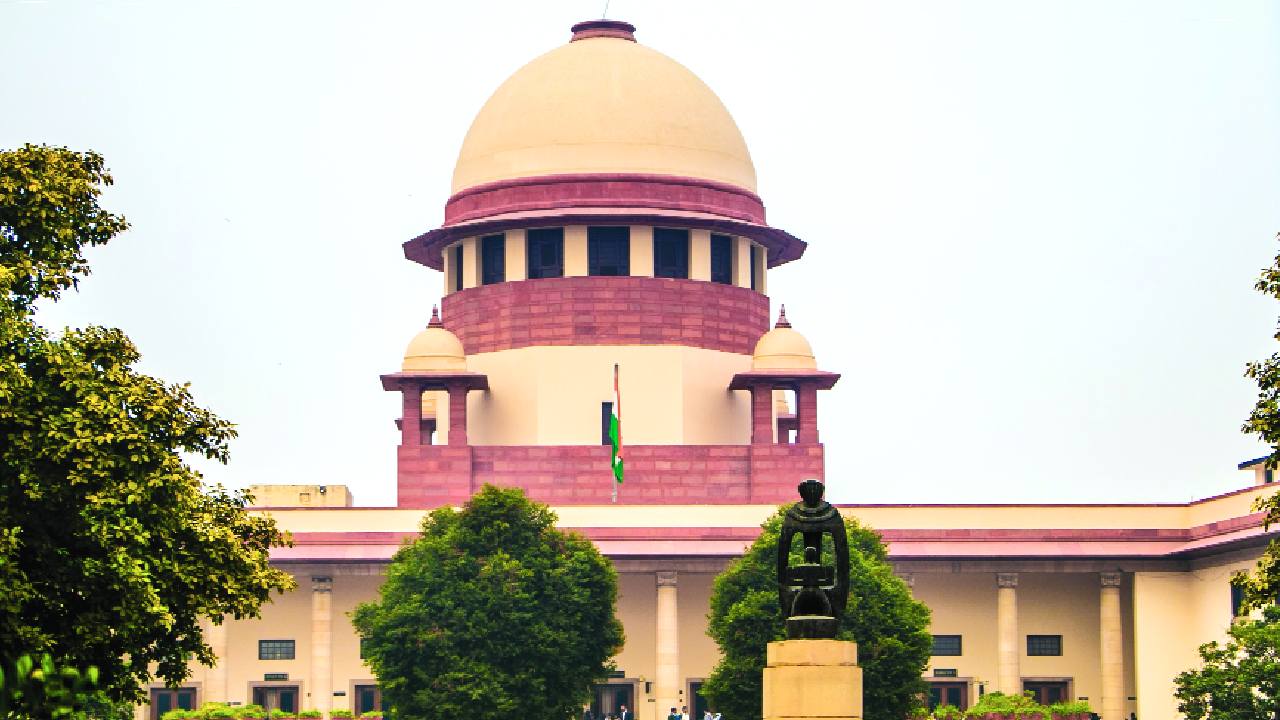
In a bid to crack down on the rising menace of “digital arrests”, the Ministry of Home Affairs (MHA) has informed the Supreme Court that it has constituted a high-level inter-departmental committee (IDC) to eliminate systemic gaps and ensure real-time protection for cybercrime victims. The Supreme Court on Monday described the siphoning of huge money by digital frauds as absolute “robbery or dacoity” and asked the Centre to draft a standard operating procedure in consultation with stakeholders like the RBI, banks and the Department of Telecommunications to deal with such cases.
The SC also expressed grave concern over the “menace” of digital arrest scams and said banks must play a proactive role in preventing cyber-enabled fraud. A bench comprising Chief Justice of India Surya Kant and Justices Joymalya Bagchi and NV Anjaria observed that banks have a fiduciary responsibility to alert customers when unusual, large-scale transactions occur in accounts typically used for sending or receiving small amounts. CBI also informed the court of taking over the cases, ranging over. INR1.64 lakh crores.
The Supreme Court also asked the Reserve Bank of India (RBI), the Department of Telecommunications (DoT), and others to jointly hold a meeting to come up with a framework for providing compensation in digital arrest cases. Senior advocate NS Nappinai, appearing as an amicus curiae, said banks should be asked to issue alerts to customers about suspicious transactions, and AI tools can be used for this purpose.
Justice Bagchi said the MHA’s report itself flagged that over INR52,000 crores have been misappropriated between April 2021 and November 2025 through cyber fraud.
A bench headed by Chief Justice Surya Kant on December 16, 2025 ordered inter-departmental ministerial consultations under the guidance of Attorney General on the issue and apprised it of the outcome.
The status report filed by the MHA detailed a multi-agency offensive involving the CBI, RBI, Telecom Department and top IT Ministries to dismantle transnational syndicates using forged documents and “digital arrest” tactics to siphon funds from innocent citizens.