SC allows deployment of judicial officers from Jharkhand, Odisha
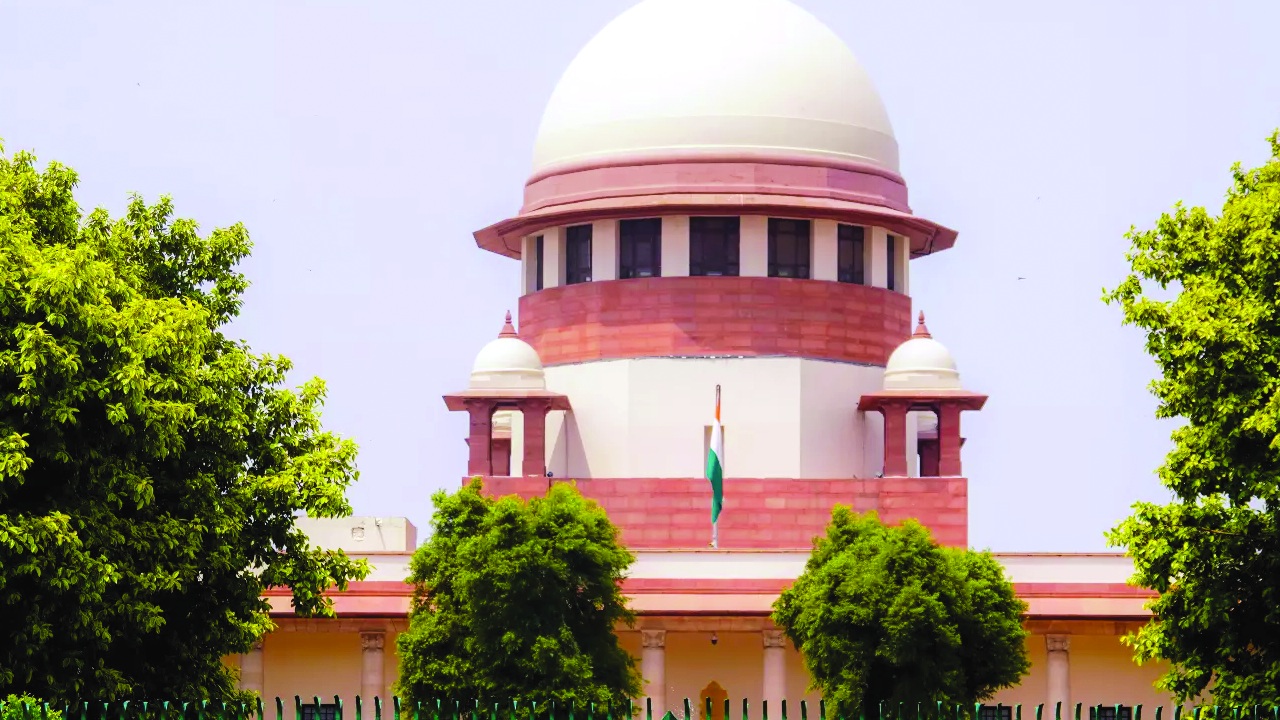
The Supreme Court on Tuesday allowed the deployment of West Bengal civil judges, in addition to 250 district judges, and the requisitioning of judicial officers from Jharkhand and Odisha to handle 80 lakh claims and objections of those facing deletion from the electoral roll in the ongoing SIR exercise in the State.
A bench of Chief Justice Surya Kant and Justices Joymalya Bagchi and Vipul M Pancholi took note of a February 22 letter of Calcutta High Court Chief Justice Sujoy Paul that even if 250 district judges deployed in the Special Intensive Revision (SIR) exercise will take around 80 days to deal with the claims and objections of those put under logical discrepancy and unmapped categories.
The logical discrepancies in progeny linking with the 2002 voter list include instances of a mismatch in the parent’s name and the age difference between a voter and his/her parent being less than 15 years or more than 50 years.While issuing a slew of fresh directions, CJI Kant took note of the fact that even if each judicial officer deals with 250 claims and objections per day, the exercise will take around 80 days to conclude. The deadline for West Bengal SIR is February 28.
The bench permitted Chief Justice Paul to deploy civil judges from the senior and junior divisions with a minimum three-year experience to verify the claims and objections filed by the voters. It asked the Calcutta High Court chief justice to request his Jharkhand and Odisha counterparts for requisition of judicial officers of similar ranks to deal with the situation.
The bench said, “The judicial officers involved in the exercise will do the verification of claims and objections with respect to documents referred to in (a) notification dated October 24, 2025, declaring the commencement of SIR in WB read with the June 24, 2025, notification, the order passed by this Court on September 8, 2025 whereby Aadhaar card was allowed to be accepted and order passed by this court on January 19, 2026 whereby Maadhyamik (Class X) admit card and Maadhyamik pass certificate was also allowed to be submitted.”
“We direct that all such documents, whether submitted electronically or physically, on or before the cut-off date of February 14, 2026, will be considered,” the bench said, adding that it will be the responsibility of the Electoral Registration Officers (EROs) and Assistant Electoral Registration Officers (AEROs) to satisfy the judicial officers of the documents referred.
The top court also allowed the EC to publish the final electoral roll on February 28, and clarified that the poll panel can issue supplementary lists as the verification process proceeds.
It exercised plenary powers under Article 142 to enlist voters in the supplementary electoral rolls to be part of the February 28 final list published by the poll panel.
During the hearing, advocate Ashwini Upadhyay told the bench that the use of fake Aadhaar cards was rampant and most cases of fake Aadhaar cards across the country were from Bengal.
Upadhyay submitted, “It is practically seen throughout the country, most of Aadhaar is made in border districts. If the court can add one line to control the usage of fake documents... whenever there are Bangladeshis or Rohingyas detained by the police, the Aadhaar is from Bengal. This is the practical situation.”
CJI Kant told him, “The matter may require a deeper probe. But this is not the timing. Lest we are misunderstood by anyone, let the right atmosphere and environment come.”
Justice Bagchi told the council, “You make a representation to the Union of India to amend the Representation of the People Act... This cannot be a discussion in our forum always.
“If Aadhaar has been fraudulently procured on an industrial scale, then it requires to be statutorily regulated. Because the Representation of the People Act was amended, and Aadhaar was brought in as a document that will prove identity. We have to acknowledge that.”
On February 20, dismayed over the ongoing tussle between the West Bengal government and the EC, the top court issued an “extraordinary” direction to deploy serving and former district judges to assist the poll panel in the controversy-ridden SIR exercise in the state.
Ruing the “unfortunate blame game” and the “trust deficit” between the EC and the “democratically elected” Trinamool Congress Government in Bengal, the bench passed a slew of fresh directions to ensure the completion of the SIR exercise.
On February 9, the top court made it clear to the states that it will not allow anyone to create any impediment in the completion of the SIR and directed the WB DGP to file an affidavit on the EC’s allegation of burning of its notices by miscreants.