Sashakt Naari — Viksit Bharat: The Pioneer / Chintan Research Foundation Initiative
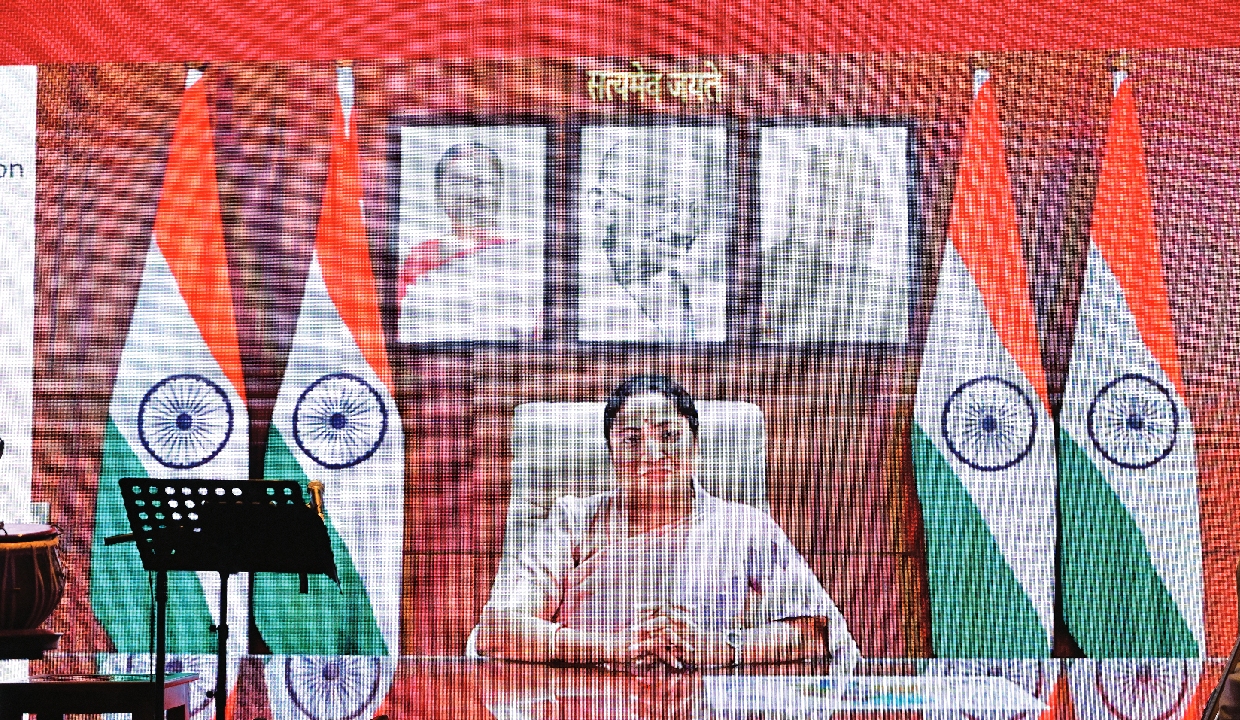
Listening Beyond the Screen: Nandita Das on Cinema, Gender and the Power of Conversation
At the ‘Sashakt Nari, Viksit Bharat’ conference, actor and filmmaker Nandita Das reflected on the intersections of cinema, gender, and social change, urging audiences to pay closer attention to women's voices and experiences both on and off the screen. A multidisciplinary artist with a career spanning more than four decades, Das has appeared in over forty films across ten languages and directed acclaimed works such as Firaaq, Manto, and Zwigato. Her work has consistently explored questions of dignity, identity and social complexity, often centering stories that mainstream cinema tends to overlook.
In a fireside conversation with Shishir Priyadarshi — President CRF, titled “Listen to Her”, Das described the phrase not merely as a session title but as a broader call to examine whose voices are amplified in public discourse and whose remain unheard. Speaking candidly about the film industry, she noted that it has historically been male-centric. “When you go to a producer with a project,” she said, “the first question is often: who is the hero?” Stories rooted in women’s experiences, she explained, are still often perceived as niche rather than mainstream, which creates economic hurdles for filmmakers seeking to tell such narratives.
The conversation also explored the evolving media landscape. While the emergence of multiplexes and streaming platforms once seemed to promise greater space for diverse storytelling, Das observed that commercial pressures remain strong. Digital platforms increasingly prioritise instant audience engagement within the first few minutes, she noted, leaving little room for slower narratives that unpack complex social realities. Her project “Listen to Her” examines the domestic sphere during the COVID-19 pandemic, revealing the irony behind the universal call to "Stay Home, Stay Safe." For many women, she explained, the home became a site of heightened vulnerability rather than protection. She also reflected on the subtle ways women often express frustration and anger. Social conditioning, she said, discourages blunt confrontation, leading many women to communicate dissent through sarcasm or quiet resistance.
Das described conditioning itself as a deeply embedded structural force that shapes behaviour and expectations. Reflecting on her own upbringing, she shared that her parents practised a rare role reversal in household responsibilities and childcare. That environment, she said, enabled both her and her younger brother to pursue their aspirations with equal encouragement. Such nuanced stories, however, can be difficult to explain within the commercial logic of the film industry. As a result, many of her projects rely on diversified funding models involving individual supporters, philanthropic grants and independent investors. “Art”, she remarked, “is more like alchemy than science,” underscoring the inherent unpredictability of filmmaking.
Das also stressed the importance of men acting as allies in the broader struggle for gender equality. Patriarchy, she noted, affects both men and women, and addressing it requires shared responsibility rather than confrontation.
Concluding the session, she emphasised the power of dialogue as a tool for social progress. While conversations around gender often intensify around occasions such as International Women's Day, she argued that meaningful change requires sustained engagement throughout the year. "Our vocabulary today has become increasingly aggressive," she observed, suggesting that such language can sometimes create barriers rather than bridges. What is needed, she said, is the cultivation of personal and collective languages that allow individuals-especially women-to articulate their experiences openly. Without that space for expression, she concluded, many women continue to internalise their struggles, conforming to social norms that discourage overt dissent.
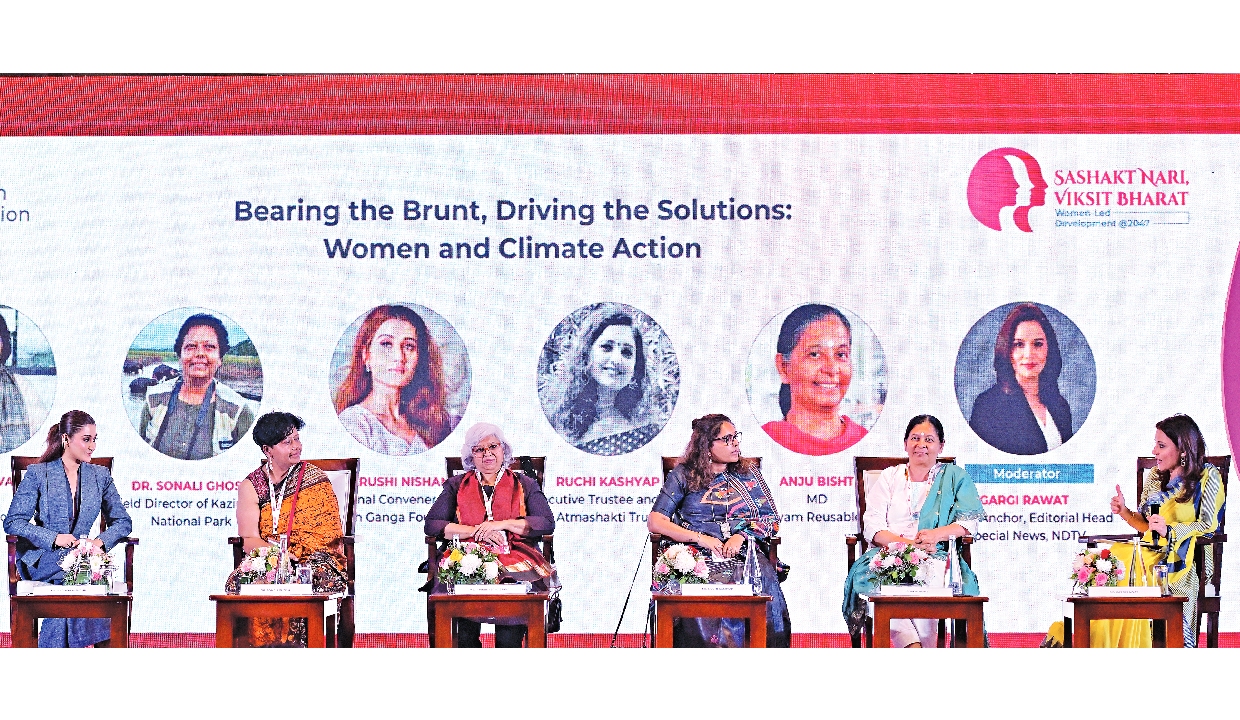
Bearing the Brunt, Driving the Solutions: Women and Climate Action
Climate change is increasingly recognised as one of the defining challenges of the 21st century, yet its impacts are neither uniform nor gender neutral. Across many regions, women often face disproportionate vulnerabilities due to unequal access to land, finance, information, and decision-making spaces. At the same time, women are also emerging as powerful agents of climate action, leading conservation initiatives, strengthening community resilience, and innovating sustainable solutions at the grassroots. These themes were at the heart of the panel discussion titled “Bearing the Brunt, Driving the Solutions: Women and Climate Action” at the Sashakt Nari, Viksit Bharat: Women-Led Development @2047 Conference, organised by the Chintan Research Foundation in New Delhi.
Moderated by senior journalist Gargi Rawat, the session brought together diverse voices from conservation, grassroots development, environmental advocacy, and sustainable innovation. The panel featured Ms Prakriti Srivastava, former Principal Chief Conservator of Forests in Kerala; Dr. Sonali Ghosh, Field Director of Kaziranga National Park; Ms Aarushi Nishank, National Convener of the Sparsh Ganga Foundation; Ms Ruchi Kashyap, Executive Trustee of Atmashakti Trust; and Ms. Anju Bisht, Managing Director of Saukhyam Reusable Pads.
The discussion also explored how environmental activism and cultural engagement can mobilise wider public participation in climate action. Ms. Aarushi Nishank spoke about the role of social movements and community campaigns in strengthening environmental awareness. Through initiatives under the Sparsh Ganga Foundation, she highlighted efforts to restore rivers, promote ecological responsibility, and encourage youth participation in conservation efforts. She emphasised that environmental awareness must move beyond policy discussions and become embedded in everyday social practices.
As the session concluded, the panel underscored the importance of integrating gender inclusive approaches into climate policy and governance. Recognising women’s leadership, strengthening community participation, and supporting grassroots initiatives were identified as essential steps in building resilient and sustainable ecosystems.
The session ultimately reinforced a central message of the conference: achieving the vision of Viksit Bharat @2047 requires not only addressing climate challenges but also ensuring that women are placed at the forefront of designing and implementing solutions. Women's knowledge, leadership, and innovation will be indispensable in shaping a more sustainable and resilient future.
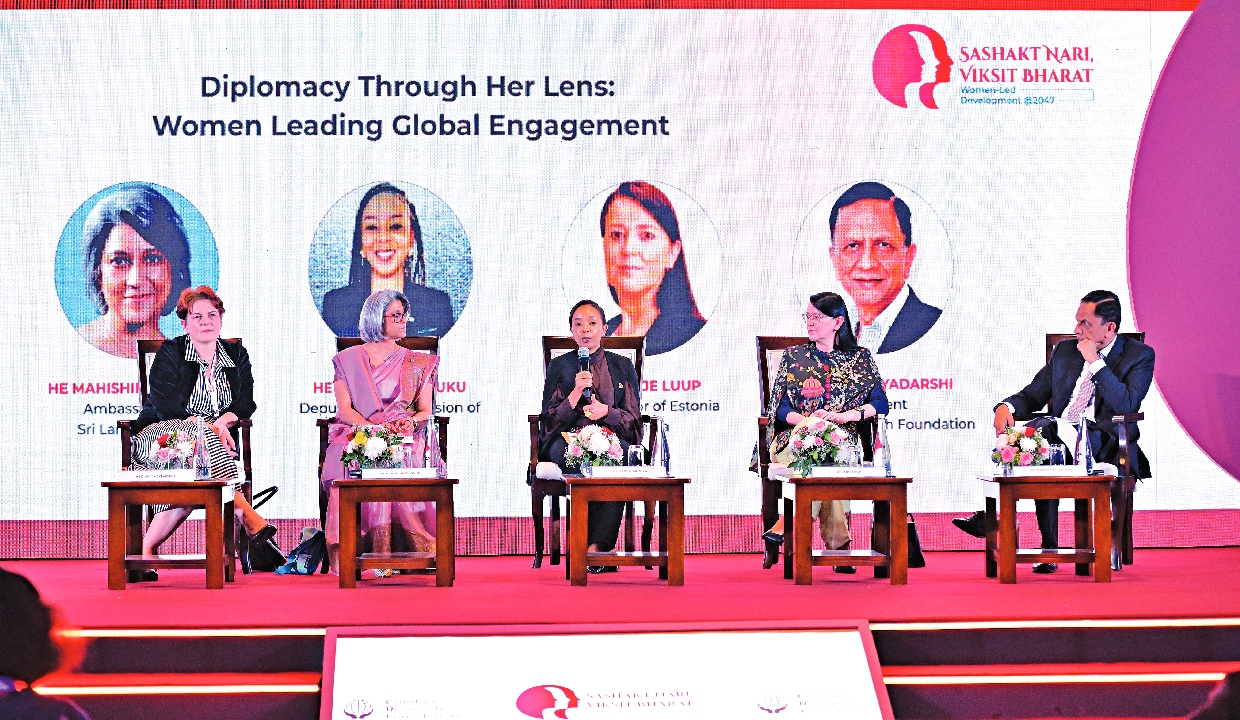
Women Diplomats Reflect on Changing Landscape of Global Diplomacy
At the conference ‘Sashakt Nari, Viksit Bharat’, a fireside chat titled “Diplomacy Through Her Lens” brought together senior women diplomats to discuss their professional journeys, the evolving role of women in foreign services, and the institutional dynamics that continue to shape diplomatic careers.
The conversation featured Marje Luup, Ambassador of Estonia to India; Mahishini Colonne, High Commissioner of Sri Lanka; Diana Mickeviciene, Ambassador of Lithuania; and Mary M. Mutuku of Kenya. The discussion was moderated by Shishir Priyadarshi.
Referring to the diplomatic community in New Delhi, Priyadarshini noted that a little over 30 women ambassadors are currently posted in the capital. While this reflects important progress, he remarked, it also highlights how far diplomatic institutions still have to go in achieving balanced representation.
Reflecting on her own experiences, Ambassador Mickeviciene observed that gender identity sometimes continues to surface in professional diplomatic spaces. Although women have gained greater representation, she noted that female diplomats are occasionally made conscious of being “women first and diplomats second”. She added that earlier in India, male counterparts were often prioritised in formal settings, though this dynamic is gradually changing.
High Commissioner Colonne offered a different perspective, emphasising the importance of professional identity beyond gender labels. “I do not see myself as a ‘woman diplomat’. I see myself as a diplomat who happens to be a woman,” she said, adding that effective leadership depends on clarity of purpose, fairness in decision-making and consistency in managing teams. Drawing comparisons between Sri Lanka and India, she highlighted Sri Lanka’s long history of women in political leadership, including the election of the world’s first woman prime minister, Sirimavo Bandaranaike.
Women have also maintained strong representation within Sri Lanka's foreign service without formal reservation policies, although subtle preferences can still shape leadership dynamics.
Ambassador Mutuku highlighted the challenges faced by women in relatively young diplomatic services. In many societies where leadership has traditionally been male-dominated, she noted, women often have to work harder to establish credibility. Factors such as age and seniority can further complicate perceptions.
She also emphasised the potential for stronger India-Kenya cooperation in diplomatic training and capacity building, drawing on shared colonial histories and vibrant diaspora ties.
Ambassador Luup presented a contrasting picture from Estonia, where women constitute nearly two-thirds of the country's diplomatic workforce. Estonia has also had women serve as both prime minister and president, she noted, and gender rarely acts as a barrier in decision-making spaces. Instead, professional experience or seniority may sometimes influence authority dynamics.
During the question-and-answer session, the diplomats also reflected on expectations placed on women leaders. Ambassador Mickevi? ien? cautioned against idealising women or placing disproportionate expectations on them, noting that mistakes made by women are often judged more harshly than those made by men. Offering advice to aspiring diplomats, Mutuku encouraged young women to seek mentorship from experienced professionals and learn from their lived experiences. Luup advised embracing mistakes as part of professional growth, while Colonne stressed the importance of openness, humility and recognising the value of every diplomatic posting.
Concluding the session, High Commissioner Colonne reflected on the broader significance of women's participation in diplomacy. "What women bring to the table is not necessarily a different decision," she said, "but a different set of experiences." The discussion ultimately underscored how women diplomats across regions are shaping contemporary diplomacy, even as institutions continue to evolve toward greater representation and inclusivity.
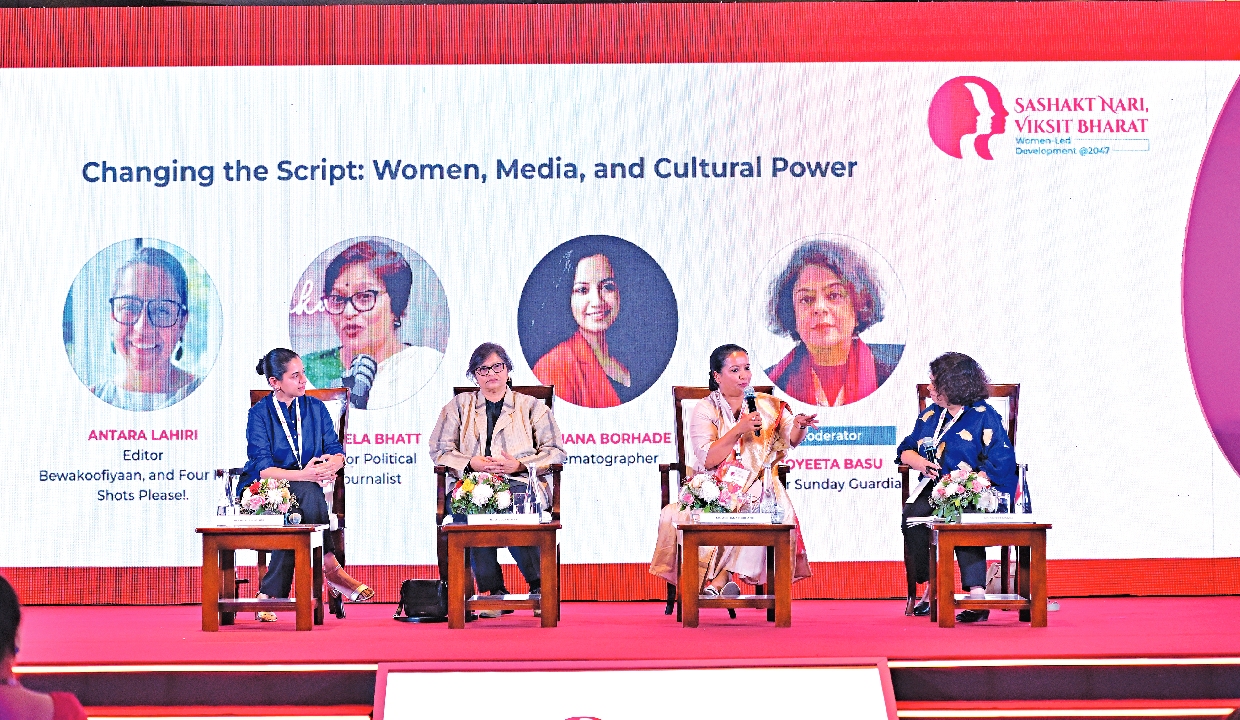
Changing the Script: Women in Media Call for Power Behind the Camera
A session featuring prominent women from the media and film industries examined how storytelling shapes society and why women must play a larger role in shaping the narratives that define public culture. The discussion brought together journalist Joyeeta Basu, filmmaker Nandita Das, cinematographer Archana Borhade, film editor Antara Lahiri, and senior journalist Sheela Bhatt, who reflected on gender biases, structural barriers and the changing role of women in India's evolving media landscape.
The conversation also explored how gender roles continue to influence professional environments within the film industry. Antara Lahiri noted that some departments are perceived as more "acceptable" for women due to stereotypes. Film editing, for instance, is often described as a "woman's profession," shaped by comparisons to traditionally feminine activities such as stitching or nurturing. At the same time, she pointed out that the industry's demanding work culture can create significant challenges. Editors frequently work extremely long hours, sometimes up to 16-18 hours a day, schedules that rarely account for women's health or personal responsibilities.
Women who raise such concerns risk being labelled difficult or losing professional opportunities.
Safety concerns were also highlighted as a persistent challenge. Media professionals often work late into the night or travel alone to unfamiliar locations. Many women, speakers noted, have learned to normalise unsafe conditions out of professional necessity, even though speaking up about safety can sometimes lead to fewer opportunities. The panel also addressed the intersection of professional ambition and family expectations. Borhade observed that careers in filmmaking often demand long and unpredictable working hours, which can be difficult to balance with traditional expectations placed on women within families. Success in such professions, she noted, often depends on having supportive partners and family structures.
Despite these challenges, speakers acknowledged that Indian society has witnessed significant progress in the past two decades. Women today have greater access to education, employment and financial independence. The growing trend of couples maintaining separate finances, once uncommon, was cited as a marker of increasing agency and autonomy for women.
Journalist Sheela Bhatt observed that India is undergoing rapid social transformation, accelerated by social media and changing public discourse. Long-standing stereotypes - such as the notion that women must choose between beauty and intelligence - are gradually being dismantled as women enter professions historically dominated by men. The conversation also explored the idea of the "female gaze" in cinema. Antara Lahiri spoke about her experience working on the series Four More Shots Please!, which featured an all-women core creative team. The project, she said, created a more collaborative and conscious creative environment, highlighting how women storytellers often bring different sensibilities and perspectives to their work.
Ultimately, the session underscored that achieving genuine equality in media requires more than increasing the number of women visible on screen. It requires structural change, shared responsibility and a rethinking of how creative industries value women's contributions. Rewriting the cultural script, the speakers concluded, is essential not only for the media industry but for building a more equitable society.
Strength Behind the Goalpost: Savita Punia on Sport, Sacrifice and Success
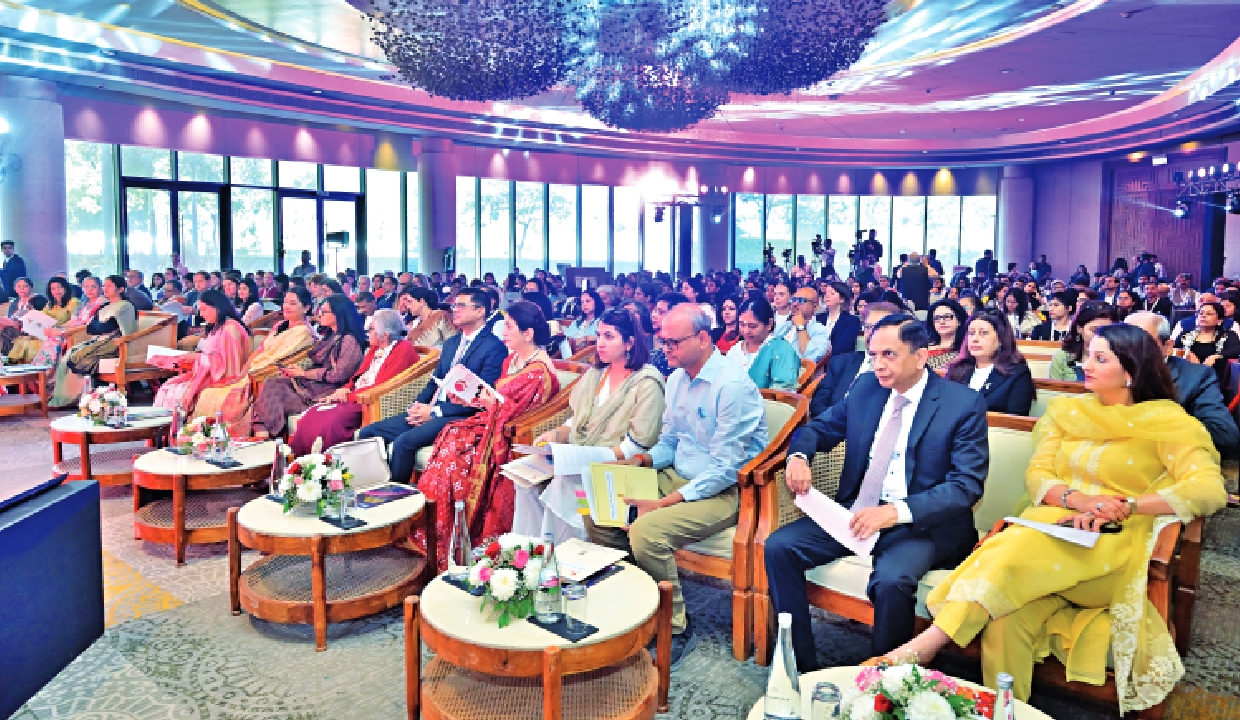
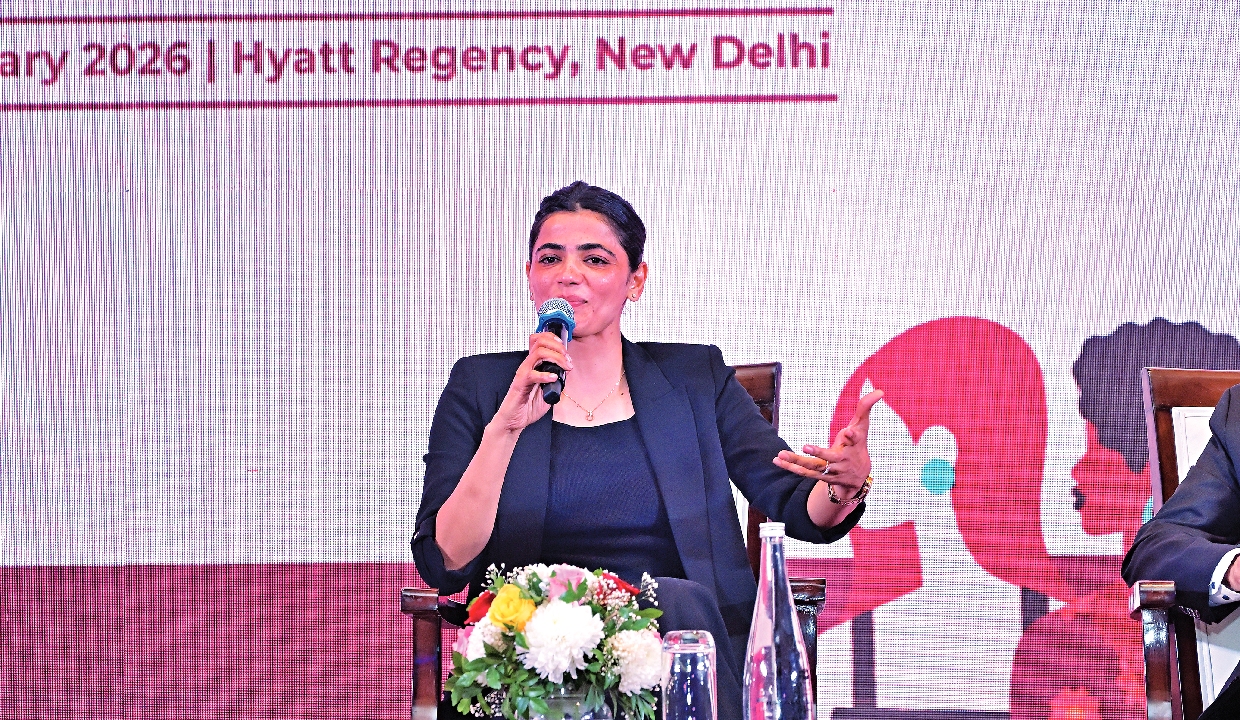
The concluding moments of the ‘Sashakt Nari, Viksit Bharat’ conference organised by the Chintan Research Foundation were marked by an inspiring conversation with Savita Punia, captain of the India women's national field hockey team and widely known as the “Great Wall of India.” A recipient of both the Padma Shri and the Arjuna Award, Punia joined Shishir Priyadarshi for a brief conversation to formally close the day-long conference dedicated to women-led development.
Reflecting on her journey, Punia spoke about the path that took her from a small village in Haryana to becoming one of India’s most celebrated hockey players. Her career, marked by perseverance and resilience, has made her a central figure in India's recent successes in international women's hockey. Her story, she explained, began at the age of 13 when a teacher at her government school suggested that she try her hand at sports. What began as a simple recommendation soon became a defining turning point in her life. For her family, the opportunity to move from a rural setting to pursue sports training in the city was seen as a moment of great possibility.
During the interaction, Punia spoke candidly about the responsibilities that come with leading the national team. Captaincy, she said, brings both pressure and accountability, requiring discipline and constant effort to support the team. Throughout the conversation, however, she repeatedly returned to the importance of family. Despite her global recognition, she remains closely connected to her village and continues to prioritise her parents' happiness. Her journey, she reflected, stands as a reminder that talent flourishes when supported by belief, opportunity and perseverance — values that resonated strongly with the broader theme of the conference celebrating women's leadership and empowerment.