Russian tradition Subotnik meets India’s Swachh Bharat Mission
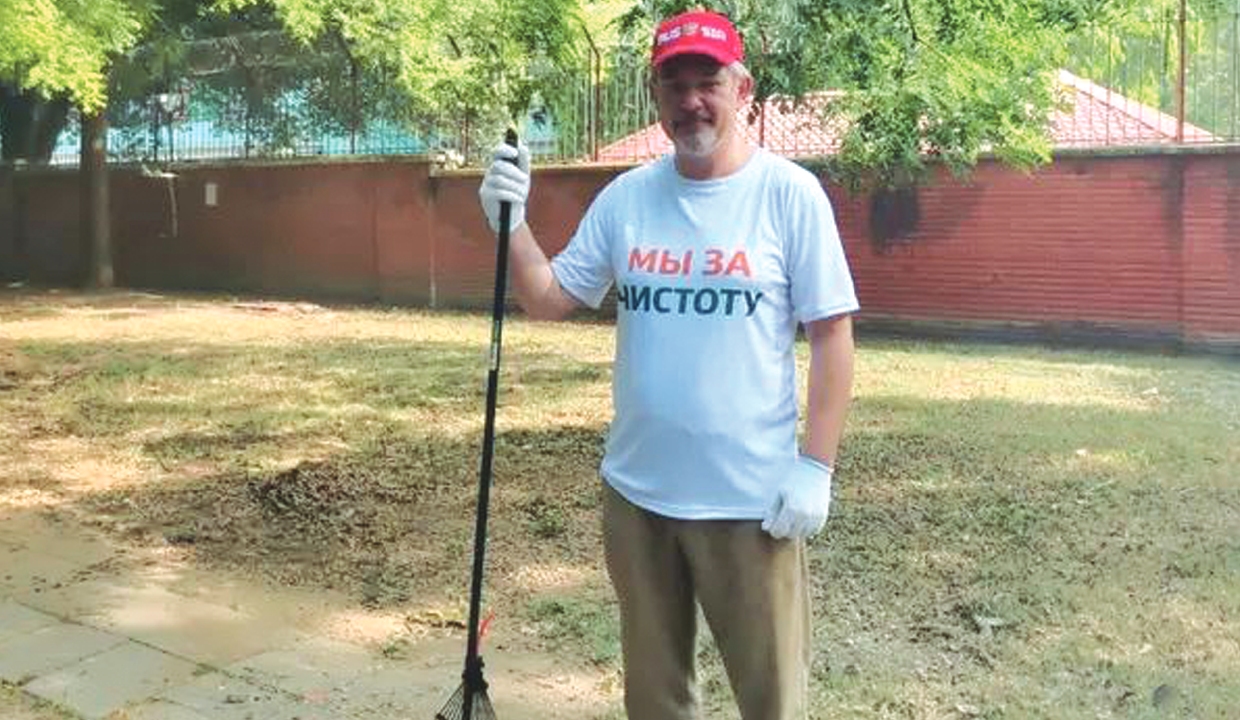
In a compelling display of cultural exchange and civic responsibility, the Russian Embassy in India recently organised a cleanliness drive in New Delhi, blending Russia’s long-standing “Subotnik” tradition with India’s ambitious Swachh Bharat Abhiyan. The initiative not only promoted environmental awareness but also symbolised the deepening friendship between the two nations through shared values of community service.
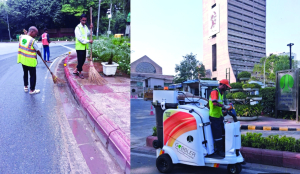
The event saw Russian diplomats, embassy staff, and volunteers actively participating in cleaning areas around the embassy premises. Armed with gloves, bags, and tools, participants took to the streets in a coordinated effort to contribute to the cleanliness of the city. The drive was more than a routine activity—it was a meaningful gesture of solidarity with India’s nationwide sanitation mission.
At the heart of the initiative lies the concept of “Subotnik,” a traditional Russian practice dating back to the early Soviet era. Derived from the Russian word for Saturday, Subotnik refers to voluntary community service carried out during weekends, where citizens engage in activities such as cleaning public spaces, repairing infrastructure, and supporting civic workers. Over time, it has evolved into a symbol of collective responsibility and social contribution in Russia.
Explaining the idea behind bringing this tradition to India, Russian Ambassador to India Denis Alipov highlighted the importance of volunteerism. He noted that Subotnik represents a strong culture of public service in Russia and expressed enthusiasm about organising a similar initiative in Delhi. According to him, the effort aligns naturally with India’s Swachh Bharat Abhiyan, making it a fitting collaboration between the two countries.
Launched in 2014 by Prime Minister Narendra Modi, the Swachh Bharat Abhiyan has grown into one of the world’s largest cleanliness campaigns. It aims to improve sanitation, eliminate open defecation, and promote hygiene practices across urban and rural India. The participation of international communities, including diplomatic missions, reflects the campaign’s global resonance and influence.
Volunteers who took part in the embassy’s cleanliness drive expressed pride in contributing to this larger mission. Many described the experience as both fulfilling and symbolic, noting that even small efforts can make a meaningful difference. Some participants also praised the scale and success of the Swachh Bharat initiative, calling it an example for other countries to follow.
Beyond environmental concerns, the event carried a strong diplomatic message. By adopting a local campaign and integrating it with a Russian tradition, the initiative demonstrated how cultural practices can bridge nations. Participants emphasised that such activities foster goodwill, mutual respect, and closer people-to-people connections.
The embassy also framed the drive as a tribute to India’s sustained efforts toward cleanliness and public health. Interestingly, officials noted that local civic authorities had already maintained the area well, leaving limited scope for cleaning—yet the symbolic value of the act remained significant.
Ultimately, the Subotnik-inspired drive in Delhi stands as a reminder that cooperation between nations can extend beyond policy and politics. Through shared action and community engagement, India and Russia continue to strengthen their partnership—one clean street at a time.