Ruling BJP confronts its own bureaucracy in MP
Ministers and BJP MLAs in Madhya Pradesh are preparing to open a coordinated front against what they describe as an increasingly unresponsive bureaucracy. They have decided to lodge a formal complaint with the chief minister, arguing that administrative resistance is now disrupting governance and weakening the authority of elected representatives.
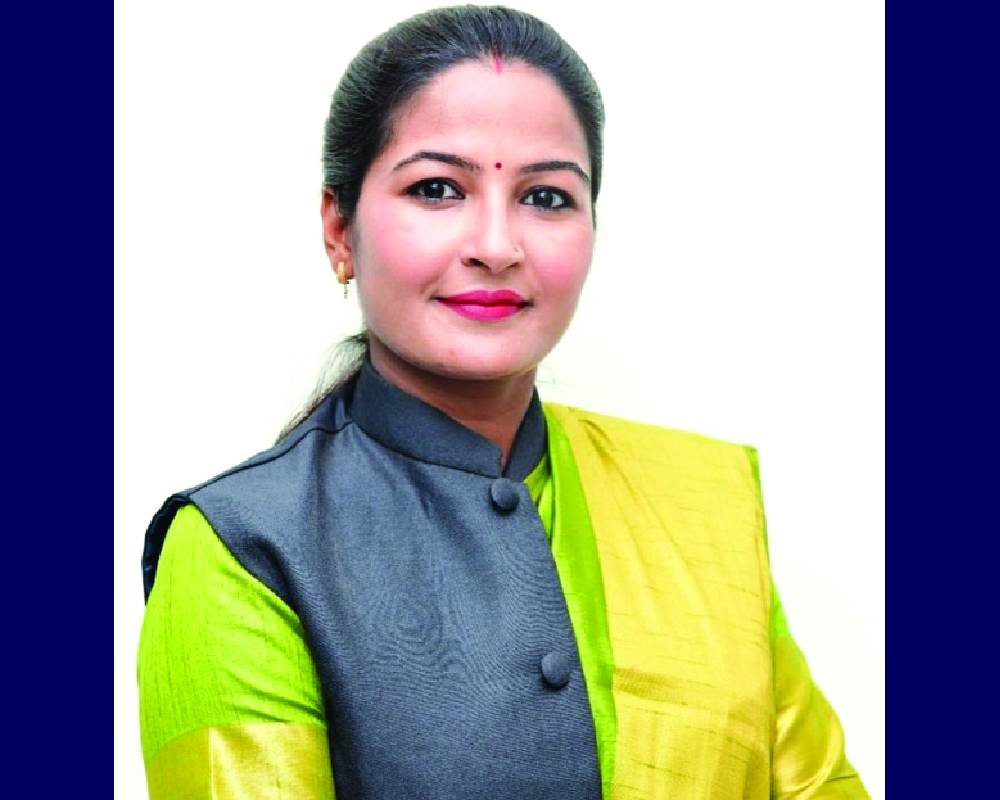
The latest flashpoint surfaced at the Madhya Pradesh BJP headquarters, where two ministers are stationed each day under a new coordination mechanism meant to improve interaction with party workers. Minister of State for Housing and Urban Development Pratima Bagri, who handled the outreach on Thursday, said the arrangement helps workers raise issues directly with ministers. But she stressed that the core problem lies in the functioning of the bureaucracy.
Bagri said ministers and MLAs are routinely facing situations where officials ignore their calls or fail to act on instructions. This, she said, has slowed file movement, delayed constituency work and created unnecessary pressure on elected representatives. Bagri also noted that she had recently raised a similar concern during a cabinet meeting, stating that officials “do not listen to ministers,” a remark that drew attention to a widening internal governance rift.
The decision to approach the chief minister comes after months of complaints from lawmakers across regions. MLAs from Malwa, Bundelkhand, Gwalior-Chambal and tribal districts report a growing pattern of administrative officers taking unilateral decisions without political consultation. Many say district-level functioning has become excessively rigid, with approvals and clearances moving at a pace far slower than what developmental targets require.
This strain comes at a critical time. Madhya Pradesh is entering a heavy implementation cycle for infrastructure, urban development, agriculture-linked interventions and welfare expansions for 2025–26. Any breakdown in coordination between the political leadership and the administrative machinery risks delaying flagship projects and weakening service delivery in high-need areas.
Public frustration mirrors these concerns. Citizens in several districts report long delays in land records, housing approvals, ration updates, pension processing and municipal permissions. In many cases, appeals routed through MLAs or ministers have failed to accelerate action, strengthening the perception that bureaucracy — not elected representatives — is controlling governance outcomes.
The emerging confrontation has triggered an internal debate within the ruling BJP. Senior leaders argue that democratic accountability must guide administrative behaviour, not the other way around.
They believe restoring authority to ministers and MLAs is essential to maintain governance credibility.
As this political pushback gathers momentum, the State faces a critical test: rebalancing the power equation between elected leadership and a bureaucracy increasingly seen as operating beyond democratic oversight.