Railways revise long-distance travel fares by 2p/km
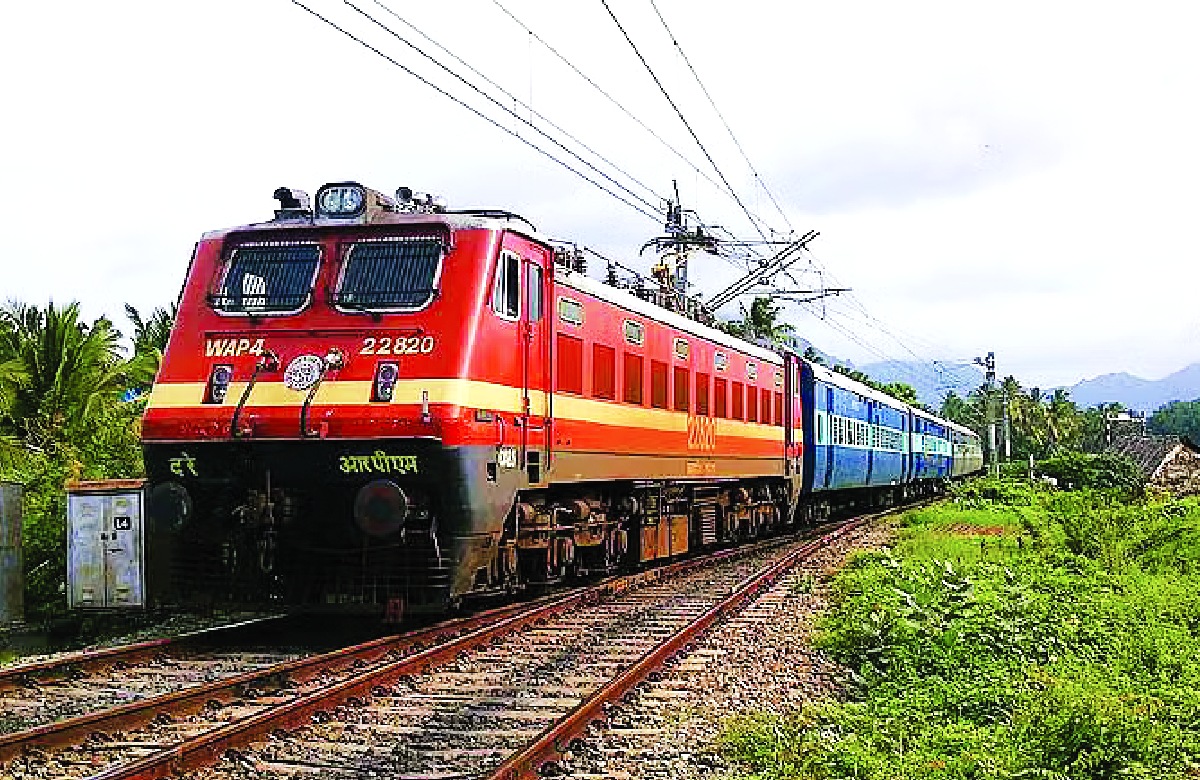
Fearing a backlash during the just-concluded Parliament Session, the Ministry of Railways on Sunday announced a revision in the long-distance travel fares of all categories under non-AC and AC from midnight on Christmas. The revision is part of the railways’ effort to balance rising operating costs while keeping travel affordable for users.
However, the railways, as of now, have spared the daily commuters using suburban services when the Mumbai civic poll results were being announced. The last similar travel rates augmentation was done in July 2025, making it the second within six months.
From December 26, passengers travelling in AC coaches and non-AC Mail and Express trains will see an increase in fares with Indian Railways revising ticket prices by 2 paise per kilometre, which is, however, a minimal increase of about INR10 extra on a 500-km journey and INR20 for 1,000 km and above.
When seen cumulatively, the June 2025 and December 2025 increases, then one passenger will see an increase of about INR50 for 1,000 km travel, and a family of four members gets INR200 added to their one-way journey budget between Delhi and Mumbai, for instance.
“It may be easier to read a two paise increase, but for a family when there is no income growth, they will add on INR500 for 1,000 on the travel budget, which is too much. Passengers are ready to pay for an enhanced service, which is not often available,” said Akash Misra, a student at Delhi University, hailing from Bhubaneshwar.
The Railway Ministry officials said “rationalisation” in the fare tariff is aimed towards generating an additional INR600 crore in revenue, while the increase will have a limited financial impact on passengers.
The officials said under the new regime, Indian Railways will continue its focus on efficiency, cost containment, and operational reforms in order to achieve the goal of affordable and accessible transport for the Indian masses.
“Emphasis is laid on strengthening safety through enhanced manpower deployment, with manpower-related expenditure rising to nearly INR1,15,000 crore and pension cost to INR60,000 crore. In the financial year 2024-25, the total cost of operations also increased by INR2,63,000 crore,” explained a senior official.
Railways noted that the enhanced measures significantly contributed to safety and efficiency improvements, as the Indian Railways emerged as the world’s second-largest cargo railway system. This year, the railways smoothly operated over 12,000 special trains to manage passenger demand.
There will be no increase in fares for suburban services and monthly season ticket (MST) holders. This move is aimed at providing relief to daily commuters. Ordinary-class passengers travelling up to 215 kilometres will also not see any fare increase.