Regulatory drift in IndiGo case sets a dangerous precedent
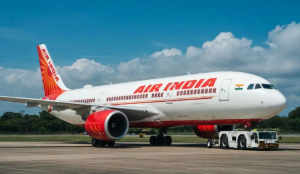
The year 2025 will be remembered as one of the darkest chapters for Indian civil aviation. The fatal Air India accident on one hand and IndiGo’s Flight Duty Time Limitations (FDTL) crisis on the other have together dented India's hard-earned reputation in global aviation. At the heart of this slide lies not just corporate misjudgment, but a troubling pattern of delayed, diluted and selectively tough enforcement by the Government and the regulator.
The slow, half-hearted response to the FDTL fiasco handed IndiGo extra time, narrative control and negotiating space it did not deserve, while sending a wider signal to the market that proximity and influence can soften even the gravest of violations.
The new FDTL framework notified by the Ministry of Civil Aviation and implemented by the aviation regulator was no overnight surprise. Its effective date, intent and broad contours were known well in advance, and airlines were expected to recalibrate hiring, crew rostering and scheduling to comply.
Yet IndiGo entered the crucial winter schedule without adequate pilots or robust rosters, and the regulator failed to subject its schedules to a realistic stress test of FDTL compliance.
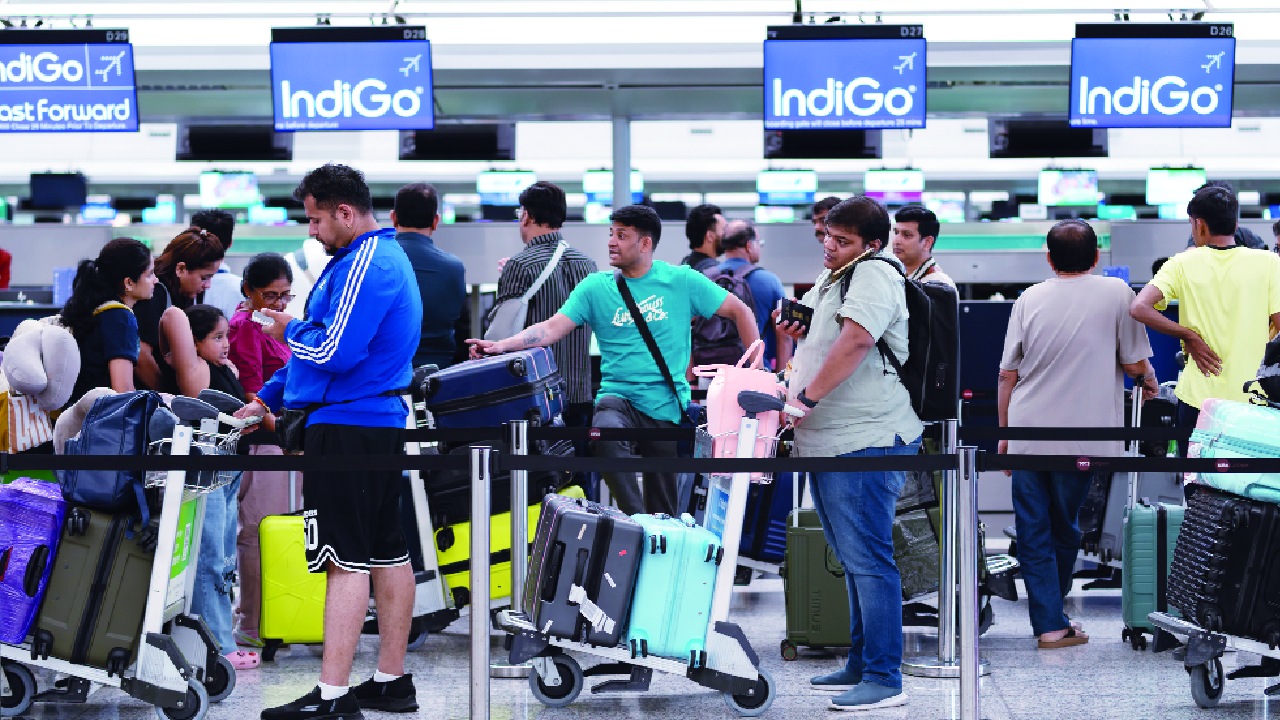
When the crunch came in November and December, thousands of flights were delayed or cancelled, passengers were stranded across the network, and yet the immediate regulatory reaction was confined to special audits, inspections and operational relaxations instead of swift punitive action.
This hesitation delivered two very tangible benefits to IndiGo.
First, no major penalties, slot curbs or flight restrictions were imposed at the peak of public outrage; by the time any tougher language appeared, tempers had cooled, and the airline had already begun its recovery.
Second, the official discourse revolved around “recovery roadmaps”, “special audits” and “enhanced monitoring”, signalling that the crisis would ultimately be managed through negotiations and improvement plans, not through decisive blows to the airline’s licence, slots or expansion ambitions. In effect, the focus shifted from accountability to damage control.
The FDTL issue did not explode in a vacuum. Pilot bodies, safety experts and industry observers had warned during the rule-making stage that failure to hire and redesign rosters in time would raise fatigue levels and increase the risk of operational collapse. The regulator’s responsibility was never limited to drafting rules and issuing circulars; it was equally responsible for ensuring a smooth, time-bound transition, especially for the country’s largest airline, whose failure can rattle the entire domestic system.
Nevertheless, IndiGo’s winter schedule was cleared without a rigorous assessment of whether its manpower and rostering systems could actually sustain the stricter FDTL regime.
Complaints of broken rosters, crew exhaustion and mounting delays surfaced weeks before the situation spiralled, but enforcement escalated far too slowly from mere reminders and warnings to anything resembling deterrent action.
Crucially, this is not an isolated episode. The script has become familiar: notices are issued, strong words like “taken serious note” and “under close watch” are deployed, but the corporate decision-makers responsible for systemic failures rarely face exemplary penalties. When a system responds this way again and again, the message to operators is unambiguous you can stretch rules, trigger a crisis, and then rely on negotiations, lobbying and public relations to dilute the fallout. A culture of “manage now, pay lightly later” inevitably takes root.
Set this against the way the regulator and the Ministry have acted in relatively minor or limited-impact cases, and the contrast is stark. Air India has been fined hefty amounts for operating a flight with a first officer whose recency requirements were not fully met, with additional disciplinary orders against rostering officials. It has paid repeated penalties for deficiencies in wheelchair assistance and for gaps in low-visibility training, along with suspensions of crew and other corrective directives.
Even a largely technical violation, such as painting a specific external livery on a Boeing aircraft without prior clearance, invited a significant monetary penalty, later showcased in Parliament as an example of strict enforcement.
Yet when it comes to the FDTL crisis at IndiGo, a far more consequential event that disrupted the travel, time, health and financial interests of thousands of passengers across the country, the response so far has largely revolved around audits, warnings, threats of future action and negotiated recovery plans.
The distinction could not be clearer: visible toughness for small or procedural infractions, softness and patience when the violation is deep, systemic and attributable to the strategic choices of a dominant player.
Both the Ministry and the regulator frequently cite statistics to claim an active enforcement regime — hundreds of actions every year, ranging from warnings and suspensions to fines and cancellations. But between what is recorded on paper and what creates a genuine deterrent, there lies a large execution gap.
Many of these actions are clustered around minor lapses, lower-level staff or mid-tier officials, while cases that would hurt top management or alter boardroom risk calculations remain rare.
Over the years, airlines have repeatedly received stern advisories that any future violation will invite “strict action” or even licence suspension, yet real licence-level penalties after major crises are few and far between.
The IndiGo episode fits this pattern. At the political level, tough soundbites have been plentiful — vows to set such an example that no airline would dare repeat these mistakes. On the ground, however, the response has largely been limited to show-cause notices, review meetings, process-improvement commitments and assurances of closer monitoring.
The gap between rhetoric and reality has once again been laid bare: severe language, lenient consequences. For an industry that is capital-intensive, highly regulated and structurally prone to safety risks, such inconsistency is more than a governance flaw; it is an invitation to complacency.
If aviation rules are truly about more than the number of hours in a pilot’s logbook — if they are about passenger rights, public safety and orderly markets — then selective toughness will not suffice. Large operational failures such as the FDTL breakdown, widespread crew fatigue or deliberate scheduling games must trigger direct accountability at the top — including steep fines, slot reductions, and temporary freezes on new route approvals.
Warnings and notices should be treated as the starting point, not the end point, of enforcement. Once a systemic failure is established, a graded penalty framework with automatic, time-bound sanctions should kick in, reducing the scope for political discretion or behind-the-scenes lobbying.
The Ministry must also look inward. When rules that were known a year in advance crumble at the point of implementation, the blame cannot rest solely with the airline.
The architecture that was designed, cleared and oversaw those rules must be scrutinised, and internal responsibility fixed. Without this, every large failure becomes an opportunity for statements rather than structural reform.
The IndiGo crisis and the FDTL controversy have made one thing abundantly clear: regulatory inertia and governmental leniency do not merely shield a single private carrier; they send a corrosive signal to the entire industry that size and influence can immunise even serious breaches.
If this pattern is not broken, the next disaster or meltdown will again be pinned on pilots, crew and frontline staff, while the real culprits — boardrooms that treat rules as adjustable and institutions that refuse to enforce them — escape unscathed. That would not just be unjust; it would be a conscious refusal to confront the truth.
(The author is a senior journalist); views are personal