Rajya Sabha debates Bill to toughen punishment for exam paper leaks, malpractice
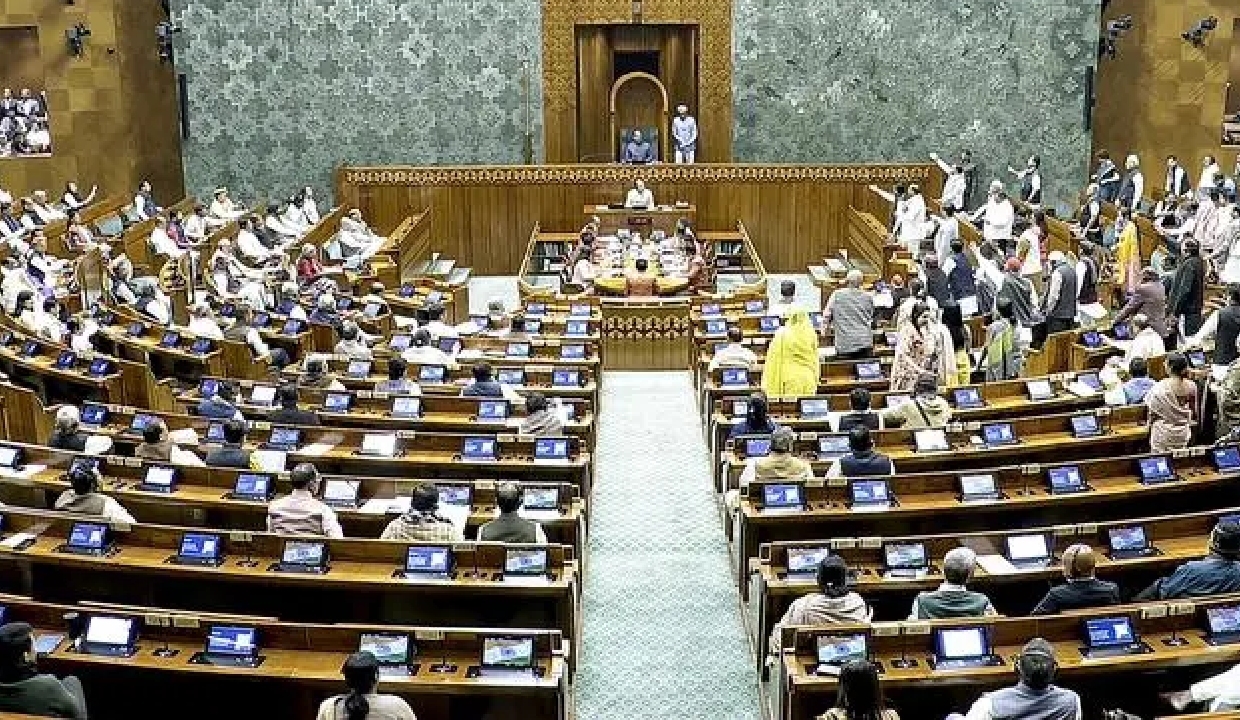
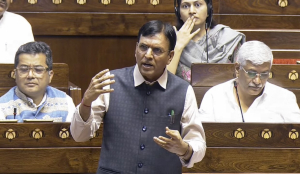
The Public Examinations (Prevention of Unfair Means) Amendment Bill, 2026, reinforces the government's zero-tolerance policy toward examination malpractice and paper leaks while protecting genuine students' efforts, Jitendra Singh, Minister of State for Personnel, Public Grievances and Pensions, told the Rajya Sabha on Thursday.
Moving the bill for consideration after its passage in the Lok Sabha on Wednesday, Singh said it extends the Public Examinations (Prevention of Unfair Means) Act, 2024, and together the two form the country's first comprehensive legislative framework against unfair means in public exams.
Singh said the bill reflects the government's commitment to protecting students and youth while ensuring merit, consistency, transparency and credibility in the examination system. He said the government remains open to suggestions and had framed the amendments based on recent experience and feedback to make the law more stringent.
The minister said question paper leaks and exam-related malpractice have been reported across the country regardless of state or conducting agency, highlighting the need for a strong national framework. He told the House the original bill was introduced in January 2024, enacted in February 2024, and came into force with notified rules in June 2024.
The Act covers exams conducted by major recruitment bodies, including the Union Public Service Commission, Staff Selection Commission, Railway Recruitment Boards, Institute of Banking Personnel Selection and the National Testing Agency, Singh said.
Outlining the amendment's key provisions, Singh said the punishment for individuals using unfair means would increase from three-to-five years' imprisonment to five-to-ten years, with the maximum fine rising from Rs 10 lakh to Rs 50 lakh.
For service providers involved in such offenses, the maximum fine would rise from Rs 1 crore to Rs 5 crore, and the debarment period from conducting public exams would extend from four to eight years. Punishment for directors and senior management of service providers would increase from three-to-ten years to five-to-ten years' imprisonment, with the maximum fine rising from Rs 1 crore to Rs 5 crore.
The bill also proposes raising punishment for organized crime linked to exam malpractice from five-to-ten years to seven-to-ten years' imprisonment, with the maximum fine increasing from Rs 1 crore to Rs 10 crore, Singh said.
The amendment provides for Special Fast Track Courts to handle offenses under the Act, with investigations to be completed within two months and trials within three months of filing the charge sheet, the minister said. It also allows for Special Public Prosecutors and a new provision permitting investigation by a Special Task Force or central agency where needed.
Singh said six Special Fast Track Courts have already been set up nationwide, with more planned. He noted that a high-level task force formed to strengthen the examination system has implemented 35 of 46 recommendations from an expert committee so far.
While Singh said the bill reflects the government's openness to constructive input, Leader of the Opposition in the Rajya Sabha Mallikarjun Kharge accused the government of introducing the amendment merely to placate protesting students rather than resolve the underlying issue. Kharge said the government has not clarified how it plans to prevent paper leaks during exams, and argued that higher fines, stricter punishment and fast-track courts would not make a difference in such cases.
All India Trinamool Congress MP Sagarika Ghose said Home Minister Amit Shah should apologize for police action against student protesters or take responsibility and resign. Speaking on the bill, she said it only increases punishment without addressing examination reform, and described a canceled or leaked exam as an "administrative failure" and a "personal betrayal" that has cost several students their lives.
(With inputs from PTI)