Quite return of flagship stores
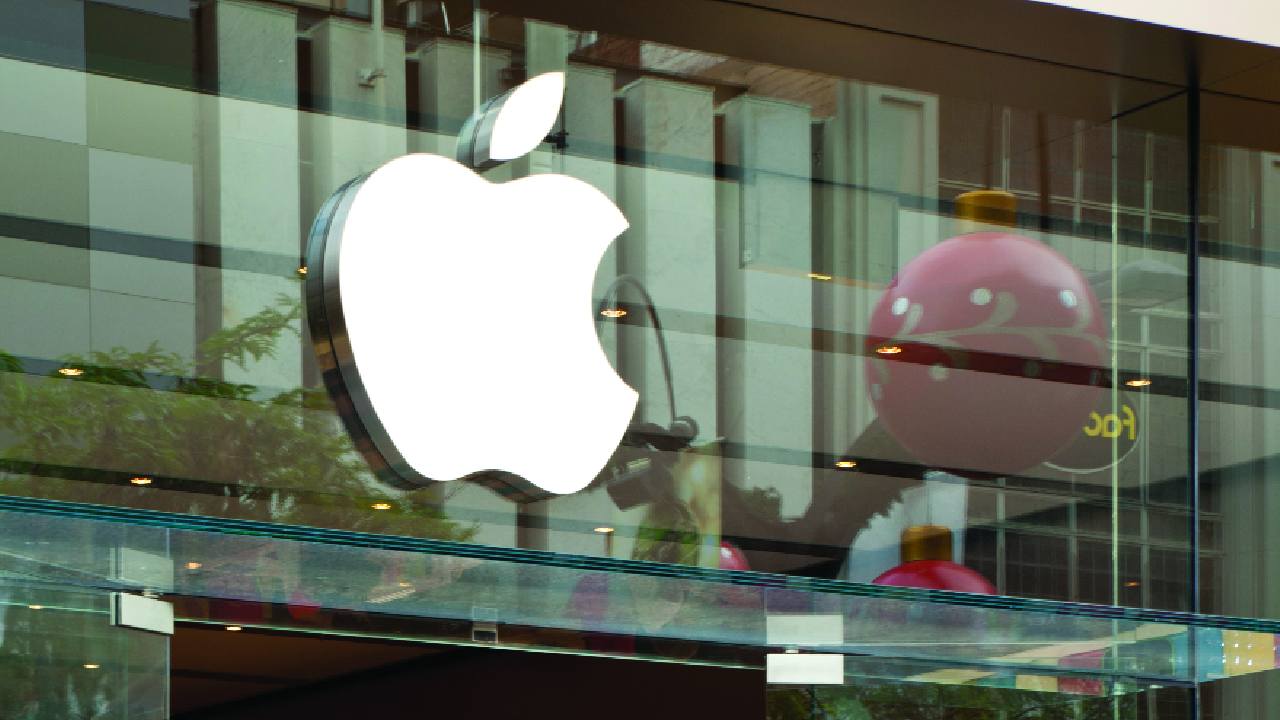
Throughout the 2020s, India’s smartphone growth story was built on online sales, and scales. Deep discounts, flash sales, ongoing festivals throughout the year, and platform-led distribution helped brands to sell tens of millions of units a year. However, there seems to be a change. Firms are rethinking their physical retail strategies. Apple’s decision to open a sixth Indian retail store marks a clear inflection point. The store may be in Mumbai, and will be the second one in the city, within three years after it opened the first two flagship outlets in Mumbai and Delhi.
The pace is notable as Apple took more than two decades to move from third-party distribution to direct retail in India. A few days ago, the young brand, Nothing, opened its first owned-store in Bengaluru, which followed its London store, and ahead of the proposed ones in Tokyo and New York. For a brand that built early scale almost online, the move was read as a signal that India is no longer a market for quick volumes, but demands long-term presence and capital commitment.
Samsung, a Korean giant, runs hundreds of exclusive brand outlets across the country, and the Chinese Xiaomi steadily expanded its Mi Home, and service-centres in key cities. For Samsung and Xiaomi, however, the aim is to promote entire ecosystems of products through exclusive stores. Experts say that there is a growing chatter that other global and Chinese brands are exploring the benefits of experience-led retail formats, which may come up in 18024 months, especially in the metros and Tier-I Indian cities. Physical retail is back, not with a vengeance to replace online sales, but to add to the latter.
What is driving this renewed interest in physical retail is less about brand visibility, and more about profit protections in a market where margins are under constant pressure. India remains one of the most competitive smartphone markets globally, with online channels accounting for large slices of the sales, which are logically and naturally coupled with expectations of aggressive discounts. The margins are squeezed. But traditional offline is tricky. It involves layered margins for the distributors and retailers, and eats into the thin profits.
Company-owned retail stores can change the equations. They allow the brands to enforce pricing discipline, push higher-margin variants and accessories, and build recurring revenues through services, warranties, and trade-in schemes. An owned-store allows a firm to stabilise unit-based economics rather than focus on higher volumes. In India, where the average sale price for a smartphone is inching up, but overall growth has moderated, this control is increasingly valuable. India’s role in this transition is significant because it is a testbed for hybrid retail models. Unlike China, where brand-owned stores dominate sales, or the US, where carrier stores play a central role, India sits in the middle.
Of course, online platforms remain critical for scale, and offline touchpoints matter for issues such as financing, trust, upgrades, and after-sales support. Flagship stores, in this context, function as anchors rather than replacements. Consumers may discover products online, experience them in-store, and complete purchases across channels (online and offline) based on convenience, timing, and incentives. The touch-and-feel aspect of offline allows for better chances of a sale. Even in online sales, the return-based offers are aimed to enhance this aspect. Instead of just buying, consumers can experience the feeling for a few days before making an actual purchase decision.
Physical retail, however, adds another dimension to the experiences. It sends a message of permanence, especially in brand-owned stores, to component suppliers, and contract manufacturers, and reassures them of predictable demand and long-term intent. It signals seriousness to the government stakeholders, whose focus these days is on self-reliance, make-locally, set up local factories, and generate jobs. For long-term capital partners, whether public investors or private backers, retail expansion represents patient capital deployed with confidence. There are benefits to each element in the entire ecosystem of manufacturing, distribution, sales points, after-sales, and consumers.
According to some experts, “Online smartphone sales offer convenience, 24x7 shopping, broader selection, and easy price comparisons (among brands). Physical stores provide immediate (instant) gratification, hands-on demos, expert advice, and instant, hassle-free returns. A hybrid approach often leads to higher customer satisfaction, with online research driving in-store purchases, and ‘click-and-collect’ increasing overall sales.” In essence, despite the extra costs in physical stores, especially on land and location, which are extremely costly in the metros and large cities, the benefits are visible and crucial.
Media reports talk about some of the innovations in in-store shopping. Smart shelves, as opposed to static racks, use “sensors, RFID tags, and digital displays to manage inventory, and engage shoppers in real time.” Electronic price labels and screens can “update pricing or promotions instantly.” According to one report, “a smart shelf might sense a shopper picking up a product, and then flash a related offer or product review.” Augmented and virtual realities bring immersive experiences into physical retail. Customers can “visualise products in new ways.” Both enrich in-store commerce in myriad ways.
Of course, the choice of the cities to locate the physical stores reinforces this thinking. Bengaluru, where the brand, Nothing, chose to open its first store, has emerged as a high-conversion market for premium and early-adopter devices, with shorter upgrade cycles, and stronger appetite for ecosystem-led products. Akis Evangelidis, co-Founder and president, explains that the choice of the metro was because the firm has the biggest customer base and community in Bengaluru. Apart from Bengaluru, Mumbai and Delhi remain critical for scale and visibility.
Combined, the hybrid moves point to a broader recalibration underway in the smartphone market. Physical stores may not drive the highest unit sales, but they shape margins, customer lifetime value, and control over distribution. As more brands weigh the trade-offs, the presence or absence of a physical retail strategy may become a quiet but decisive differentiator among the leading brands. For an industry obsessed with online rankings and sale-day numbers, the next phase of competition may be decided not by who sells the most phones, but by who controls the most meaningful and profitable touchpoints in the market.
In the future, new sales and purchase concepts will be in vogue. For example, researchers are already clued in with two concepts. Webrooming, or the online search before an in-store purchase, afflicts more than two-thirds of the shoppers, according to a study. Of course, there is showrooming, or the in-store search before an online purchase, which too impacts nearly two-thirds of the shoppers. In essence, most of those who choose a route stick to it, and complete the purchase.