Six Punjab districts among 73 ultra-sensitive drug-affected districts: NCB official
Six districts of Punjab are among 73 ultra-sensitive districts identified by the Centre as part of its three-year roadmap to make India drug-free by 2029, a senior Narcotics Control Bureau (NCB) official said on Wednesday.
The roadmap envisages a nationwide strategy to dismantle the entire narcotics network through coordinated action on supply reduction, demand reduction and harm reduction.
NCB Zonal Director (Chandigarh) Amanjit Singh said the Union Ministry of Home Affairs (MHA) has set a target of dismantling 100 major national and international drug networks and bringing back 100 fugitives to India under its "Drug-Free India 2029" vision.
The government also aims to dismantle at least 75 clandestine synthetic drug laboratories by 2026, he said.
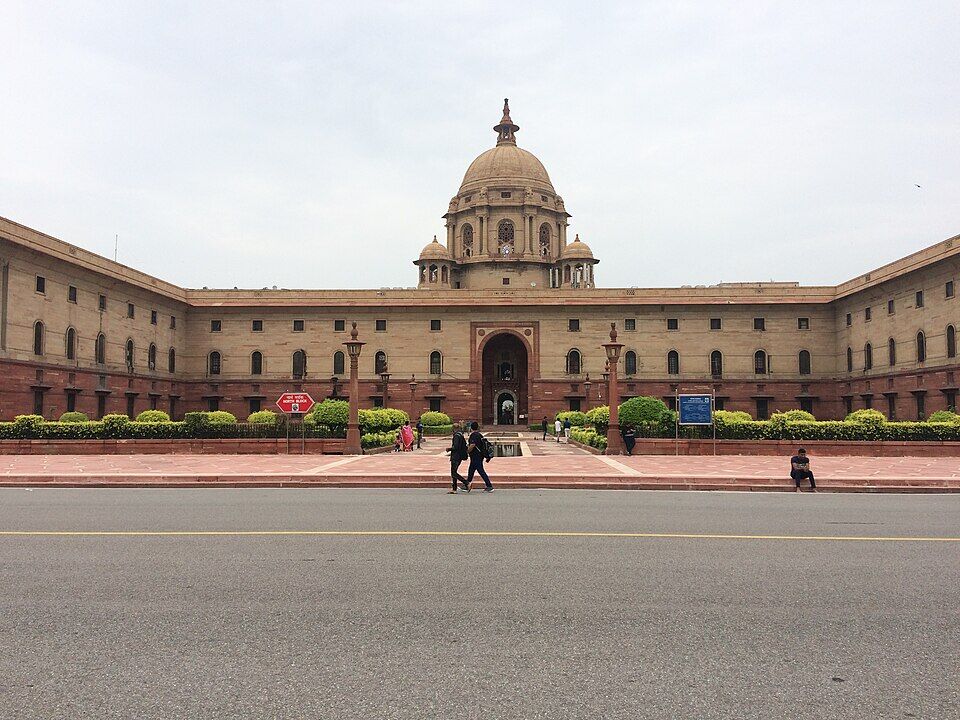
MHA Additional Director General (Media) Raj Kumar said the Centre released a vision document in June 2026 outlining the roadmap for a "Nasha Mukt" India.
Singh said the document was prepared after consultations with more than 35 ministries, departments and agencies and provides for coordinated measures to tackle drug trafficking and abuse.
The Centre has identified 272 districts across the country as vulnerable, where sports activities will be promoted as part of sports-based interventions, Singh said.
Of these, 73 districts have been classified as ultra-sensitive, including six in Punjab.
He said five of Punjab's six border districts and Ludhiana have been identified as ultra-sensitive. Punjab's border districts are Amritsar, Pathankot, Gurdaspur, Tarn Taran, Fazilka and Ferozepur.
Singh said all border guarding agencies would have advanced surveillance and anti-drone systems by March 2027.
Giving details of enforcement efforts, he said narcotic and psychotropic substances weighing more than 93.33 lakh kg and valued at an estimated Rs 1.53 lakh crore were seized between 2019 and July 2026.
During the same period, more than 44.88 lakh kg of seized narcotic substances, valued at around Rs 88,010 crore, were destroyed, he said.
Illegal properties and assets worth Rs 3,992 crore were frozen or seized since 2019, while 128 clandestine laboratories had been dismantled till July 2026, Singh said.
The roadmap also proposes strengthening the NCB by increasing its manpower from 1,107 to 1,630 personnel, zonal units from 13 to 36 and regional offices from three to seven.
Schools and colleges have been identified as the first line of defence against drug abuse under the plan.
A drug-free campus framework, including 500-metre safe zones around educational institutions, is proposed to be implemented by March 2027. Preventive screening of more than 10 lakh students is also planned.
The government aims to substantially expand treatment and rehabilitation capacity, with the number of de-addiction centres projected to rise from 334 to 1,751 by March 2029.
The roadmap also focuses on a network-centric enforcement approach to tackle synthetic drugs and darknet-enabled trafficking, prevent drug abuse among young people, expand access to treatment and rehabilitation and strengthen coordination among agencies over the next three years.