PM Modi supports peace in West Asia
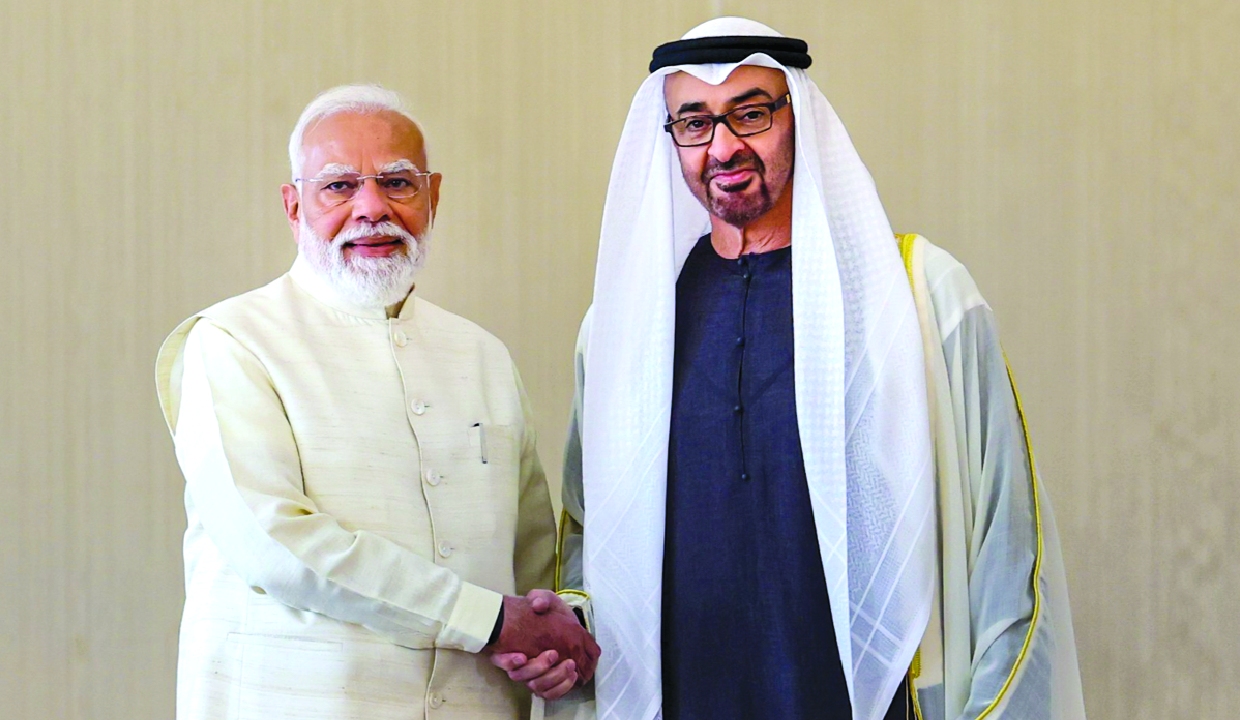
Prime Minister Narendra Modi on Friday said India is prepared to extend “all possible support” to restore peace in West Asia, as he held wide-ranging talks with UAE President Sheikh Mohamed bin Zayed Al Nahyan in Abu Dhabi. The two leaders also signed a series of strategic agreements covering energy, defence, infrastructure and advanced technology.
The UAE additionally announced investments worth $5 billion in India, further strengthening economic ties between the two countries.
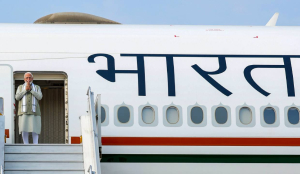
PM Modi’s visit to the UAE was the first leg of his five-nation tour that will also take him to the Netherlands, Sweden, Norway and Italy. The PM stayed in the Gulf nation for around two-and-a-half hours before departing for the Netherlands.
Addressing concerns over the escalating conflict in West Asia, the PM condemned recent attacks on the UAE and praised the Gulf nation’s restrained response amid rising regional tensions.
“We condemn the attacks on the UAE,” Modi said during his opening remarks at the bilateral meeting. “The way UAE has been targeted is not acceptable, but the way UAE has handled the current situation with restraint is praiseworthy.”
The UAE, home to a major US military base, has faced Iranian strikes amid the ongoing US-Israel conflict with Iran that began on February 28.
Highlighting the broader global impact of the conflict, Modi said, “India is ready to extend all possible support to bring peace in West Asia.”
The two sides signed strategic collaborations across seven key sectors. In a post on social media, Modi said the agreements in energy, defence, infrastructure, shipping and advanced technology would provide “fresh impetus” to the India-UAE Comprehensive Strategic Partnership.
“In another important development, UAE announced investments worth USD 5 billion in India. This will further deepen economic ties,” he added.
According to the Ministry of External Affairs (MEA), Indian Strategic Petroleum Reserves Limited signed an agreement with Abu Dhabi National Oil Company to enhance strategic collaboration in energy security, including petroleum reserves and possible cooperation in LNG and LPG storage facilities.
Another agreement focused on long-term LPG supply arrangements aimed at ensuring energy stability and strengthening bilateral energy cooperation.
The developments come amid heightened concerns in India over possible disruptions to crude oil and gas supplies through the Strait of Hormuz, a critical maritime route for India’s energy imports.
India and the UAE also signed a framework agreement for strategic defence cooperation to strengthen defence manufacturing, technology sharing, innovation and regional security cooperation.
Additional agreements included the establishment of a ship repair centre in Gujarat’s Vadinar, cooperation in ports and coastal infrastructure, and a skill development arrangement in ship repair.
The two countries also agreed to establish a supercomputer cluster to support India’s artificial intelligence ambitions.
The MEA said the UAE’s $5 billion investment commitment would help generate jobs and strengthen markets, underscoring Abu Dhabi’s long-term confidence in India’s growth story.
Apart from strategic and economic issues, discussions between the two leaders also covered the blue economy, fintech, defence cooperation and people-to-people ties.
Concluding the visit, Modi described the discussions as “highly productive.”
“Held extensive discussions with my brother, His Highness Sheikh Mohamed bin Zayed Al Nahyan, on ways to further deepen the India-UAE Comprehensive Strategic Partnership. I am confident that the outcomes of this visit will further strengthen our friendship and contribute to growth and prosperity,” he said.
In a special gesture reflecting the significance of the visit, Sheikh Mohamed personally received Modi at the Abu Dhabi airport. The Prime Minister was accorded a ceremonial guard of honour, while his aircraft was escorted by UAE military jets.
The visit comes at a time of shifting geopolitical equations in West Asia, with widening differences among Gulf powers over oil production, the Strait of Hormuz blockade and regional alignments involving Israel and Iran. The evolving dynamics involving the UAE, Saudi Arabia and Iran are increasingly influencing India’s strategic calculations in the region.