Bhojshala complex a temple: HC
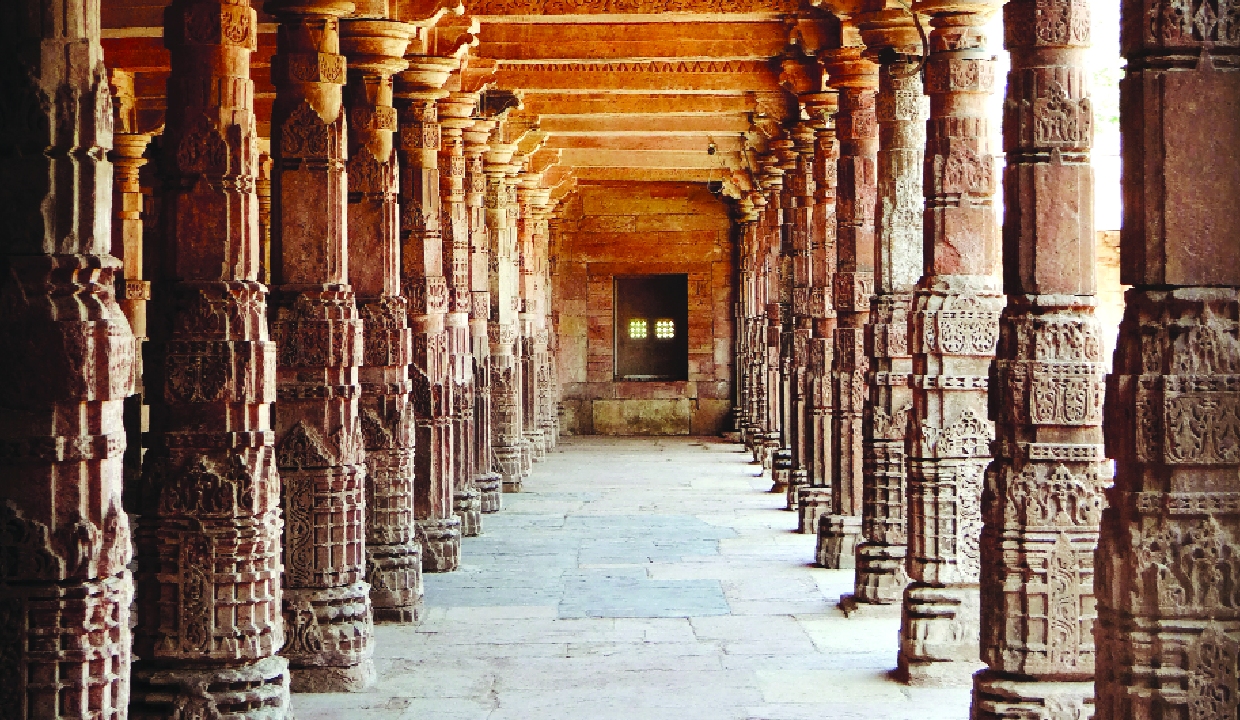
Relying on ASI report, HC bars Muslims from offering Friday prayers
The Madhya Pradesh High Court on Friday held that the Bhojshala complex in Dhar is a temple dedicated to Goddess Saraswati, quashing a decades-old order of the Archaeological Survey of India (ASI) that allowed the Muslim community to offer Friday prayers at the site. The court said its decision was based on archaeological and historical evidence, the Archaeological Survey of India (ASI) survey report, provisions of the ASI Act and references from the Ayodhya judgment.
The HC also directed the Union Government and the ASI to take a decision regarding the future management and administration of the complex. The HC said evidence related to a Saraswati temple and an ancient Sanskrit education centre had been found at the Bhojshala complex.
The Muslim side, which maintains that the structure is the Kamal Maula Mosque, said it would challenge the verdict in the Supreme Court. Dhar city Qazi Waqar Sadiq said the community respects the HC judgment but would review the order before approaching the SC. Senior advocates Salman Khurshid and Shobha Menon had represented the Muslim side during the hearing.
The Hindu side has already filed a caveat in the SC seeking that no order be passed on any appeal against the HC verdict without hearing them first. Advocate Preeti Jain, representing the Jain community, also said the Jain side would move the SC. During the hearing, it was argued that remnants of Jain Tirthankara idols linked to the site are currently housed in the British Museum and deserve proper restoration and recognition.
Meanwhile, security has been tightened around the Bhojshala complex following the verdict. Barricades have been placed at the main gate and a heavy police force has been deployed in the area. Dhar SP Sachin Sharma said nearly 1,200 police personnel from across the district had been deployed and a 12-layer security arrangement had been put in place. Reserve Police Force and Rapid Action Force personnel have also been kept on alert.
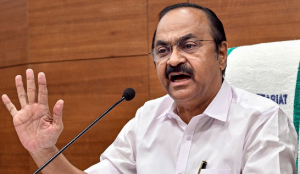
AIMIM chief Asaduddin Owaisi criticised the verdict, saying it was not in line with constitutional principles. He alleged that, similar to the Babri Masjid case, the ruling favoured one community while affecting the worship rights of another. Owaisi also said such judgments weaken the Places of Worship Act and could encourage challenges to other religious sites.
The Bhojshala dispute reached the High Court in 2022 after Ranjana Agnihotri and others, on behalf of a Hindu advocacy group, sought a declaration of the site’s religious character and complete worship rights for Hindus. The petition also sought a ban on <namaz></i> inside the premises, formation of a trust and return of the Vagdevi idol currently kept in the British Museum.
In 2024, the ASI conducted a 98-day scientific survey of the Bhojshala complex. Later, on January 23, 2026, the SC allowed uninterrupted worship on Vasant Panchami. Regular hearings in the High Court began on April 6 and concluded on May 12 before the verdict was delivered on Friday.