Pakistan minister sparks Israel row ahead of talks
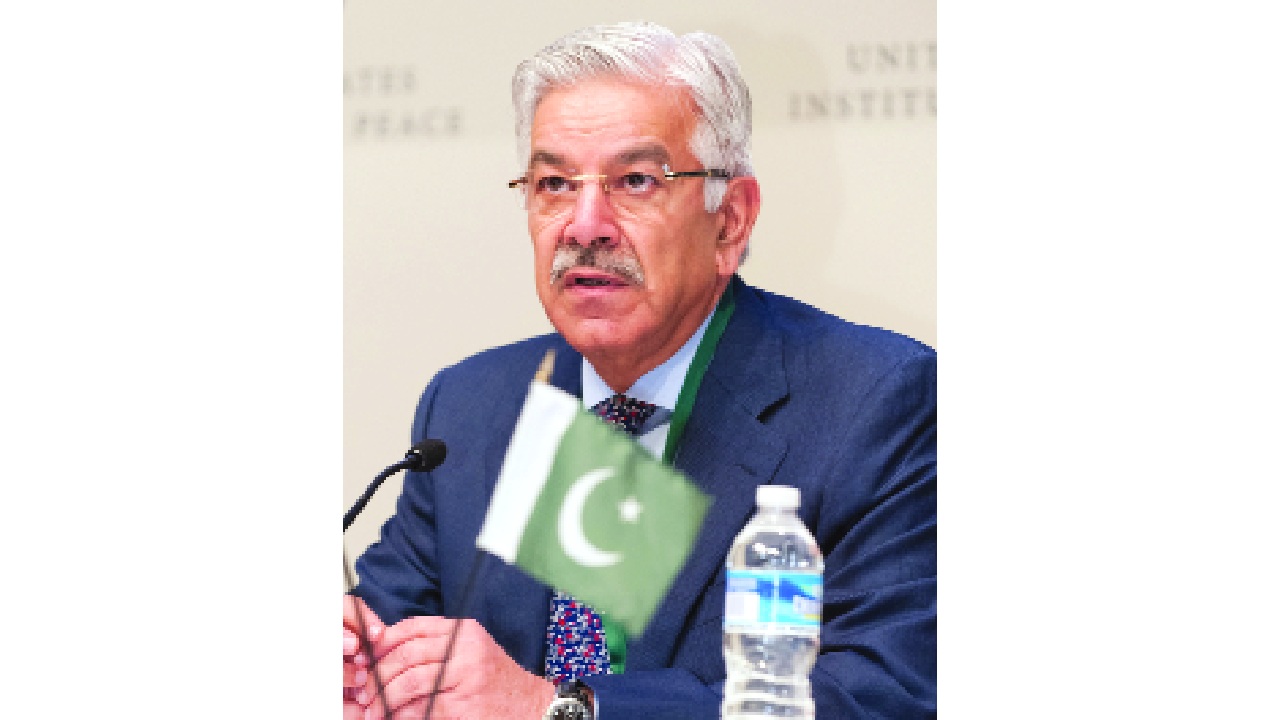
A fresh diplomatic dispute has erupted after Khawaja Muhammad Asif, Pakistan’s defence minister, posted strongly worded remarks about Israel, prompting swift condemnation from Israeli officials, US lawmakers and international commentators at a sensitive moment for regional diplomacy.
In a post on the social media platform X, Asif described Israel as “evil” and “a curse for humanity,” while accusing it of committing “genocide” in Lebanon.
He also referred to ongoing violence involving Gaza and Iran, and included highly inflammatory language about the origins of Israel.
The comments came less than 50 hours before high-stakes diplomatic talks in Islamabad, where Pakistan is hosting discussions involving the US and Iran, linked to broader efforts to ease tensions across West Asia.
Israel reacted sharply. In a statement, the Israeli Prime Minister’s Office condemned what it described as a call for the country’s destruction, calling the remarks “outrageous” and incompatible with the responsibilities of a Government seeking to play a neutral role in peace efforts.
In Washington, Josh Gottheimer criticised the comments as “vile rhetoric,” saying such language was “beyond unacceptable and unproductive” at a fragile moment for diplomacy.
Other commentators also questioned Pakistan’s role as a mediator. Emily Schrader characterised the remarks as anti-Jewish rhetoric and argued they undermined Islamabad’s claim to neutrality. Ellie Cohanim similarly raised concerns about Pakistan’s suitability as a diplomatic intermediary, citing past controversies and accusing the Government of compromising its credibility.
The timing of the post has drawn particular scrutiny. Delegations were already arriving in Islamabad and security preparations were being finalised for talks widely seen as among the most significant engagements between the United States and Iran in decades.
The controversy follows earlier confusion surrounding a ceasefire announcement attributed to Pakistani leadership, which suggested the agreement extended to Lebanon. Israeli officials later clarified that operations in Lebanon were not part of the ceasefire framework.
According to Israel, its military activities in Lebanon-primarily targeting Hezbollah-remain separate from broader de-escalation efforts. Israeli forces have continued operations, including reported large-scale strikes in early April.
Analysts say the sequence of events-first ambiguity over the ceasefire’s scope, and now the defence minister’s remarks-risks undermining Pakistan’s position as a neutral host at a critical diplomatic juncture.
Despite the controversy, preparations for the Islamabad talks are continuing, with tight security in place and international delegations already on the ground. The outcome of the discussions could have significant implications for regional stability, as tensions across the Middle East remain high.