'No Strategic Oil Reserves like India' Pakistan Minister Compares Oil Crisis Impact, Says India More Stable
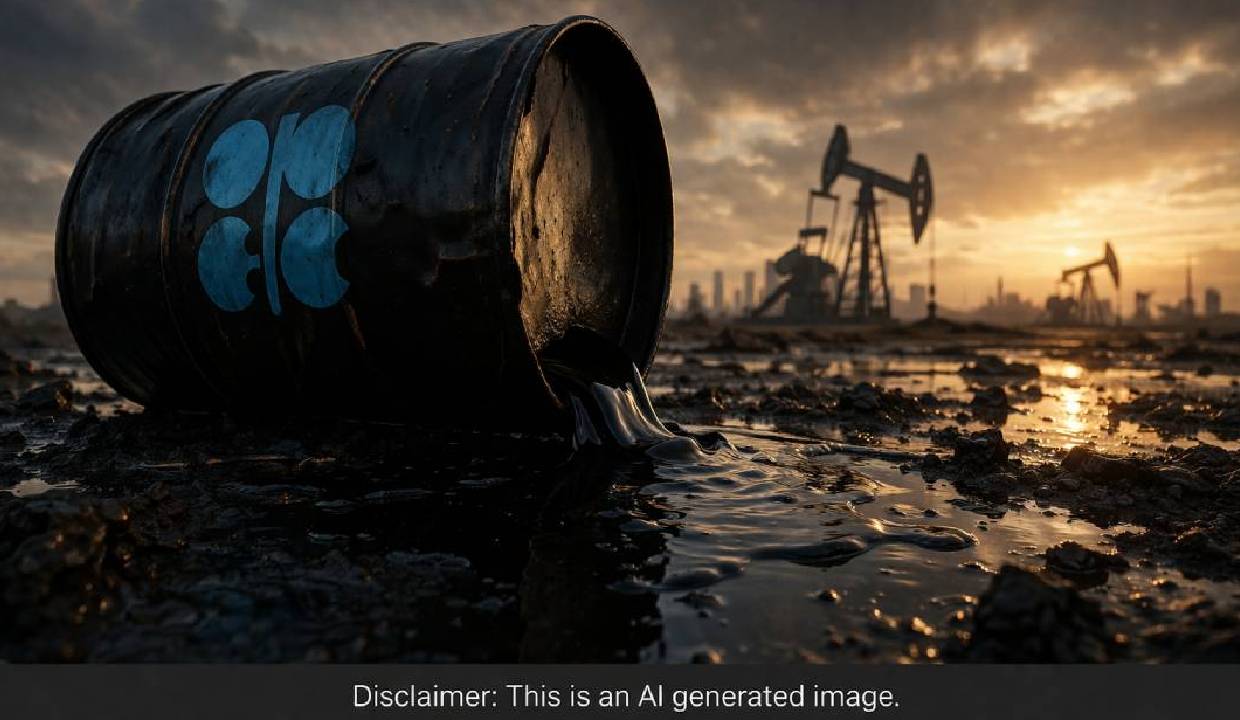
Pakistan’s Petroleum Minister Ali Pervaiz Malik has drawn a comparison between India and Pakistan amid the ongoing global oil crisis, stating that India has remained relatively stable due to stronger financial and energy reserves.
Speaking during the ongoing geopolitical tensions affecting oil supply routes, Malik said India’s strategic petroleum reserves and robust foreign exchange reserves have helped it absorb the shock caused by disruptions in the Strait of Hormuz.
He noted that India’s ability to maintain large reserves and its independence from bailout programmes of the International Monetary Fund have provided it with greater flexibility in managing fuel prices. According to him, India also used fiscal tools such as reducing fuel taxes to cushion the impact of rising global crude prices.
In contrast, Malik said Pakistan has been constrained by limited reserves and strict conditions under IMF programmes. He revealed that Pakistan had to engage in negotiations with the IMF to provide relief to consumers as fuel prices surged.
The minister added that Pakistan currently relies mainly on commercial oil reserves, which can sustain only a limited number of days, making the country more vulnerable to global supply disruptions. He also highlighted recent policy steps, including reducing levies on diesel and shifting the burden to petrol, along with targeted subsidies for certain consumers.
While Pakistan recently reduced petrol prices through government intervention, the broader crisis continues to pose economic challenges. Meanwhile, India has managed to keep fuel prices relatively stable by diversifying crude imports, utilising strategic reserves, and leveraging its economic capacity.
The remarks come amid rising global oil prices triggered by geopolitical tensions, underlining the importance of energy security and economic resilience in times of crisis.