Noida NSA case: Allahabad HC ruling sparks debate on bureaucratic accountability and citizen rights
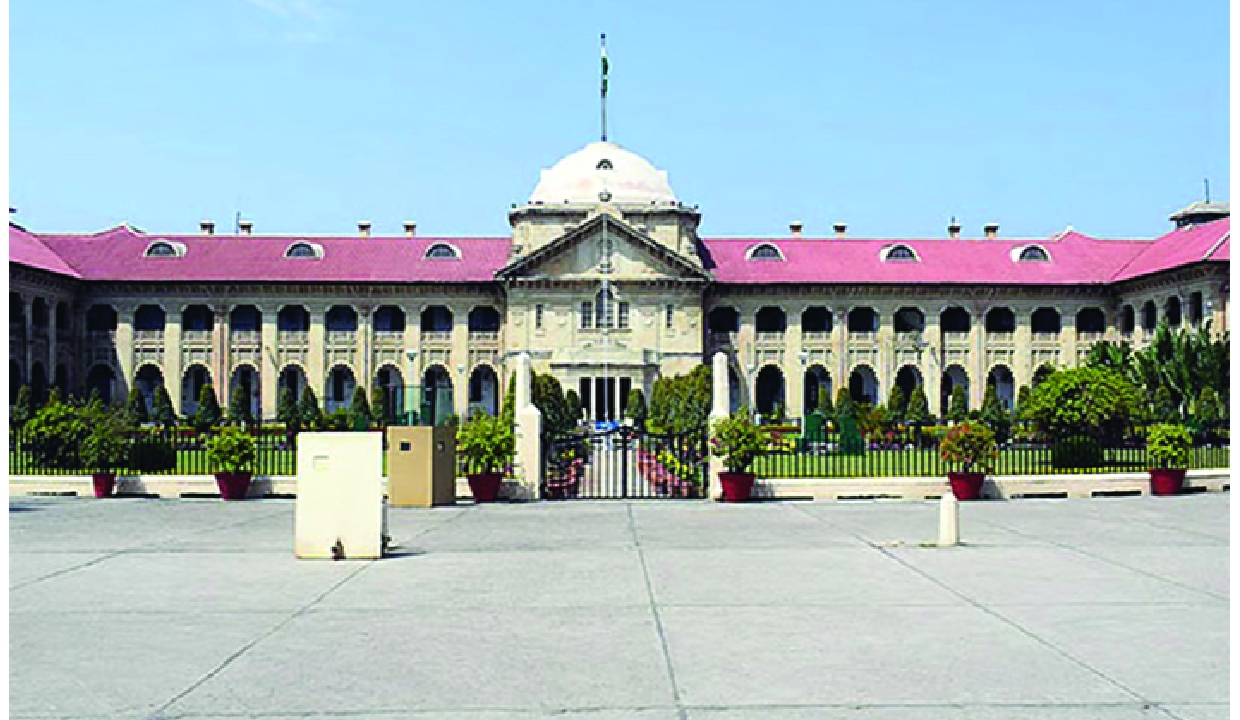
The Allahabad High Court delivered a judgment with far-reaching consequences on September 2, 2026. Five days later, the details of the verdict were made public. The judgment related to the slapping of the National Security Act (NSA) on an activist who held widespread protests demanding better wages, fair hours, and basic living conditions for garment and industrial labourers in Noida (Gautam Buddha Nagar) in April 2026.
The verdict quashed the NSA detention order against a Delhi University woman student and directed that `5 lakh in compensation be recovered from the salary of the Gautam Buddha Nagar (Noida) District Magistrate and other responsible officers.
The student, a 24-year-old history graduate and activist, was jailed. The Uttar Pradesh Police and Gautam Buddha Nagar District Magistrate accused her of conspiring to incite violence and slapped the stringent NSA—a preventive detention law-against her.
The High Court reviewed the case and found zero evidence or video proof showing that she incited violence or rioting. The court noted that the police dossier contained only speculative opinions, and the District Magistrate signed off on the detention casually without applying her mind.
The two judges also caught discrepancies, proving the police fabricated official paperwork to show a later arrest date to cover up detaining her early. Calling the detention a “sham,” the High Court ordered her release and ruled that the compensation money must be paid directly out of the pockets (salaries) of the DM and the responsible police officers.
The detailed written verdict made public on September 7-8, 2026, revealed the High Court’s strict warnings against arbitrary bureaucratic overreach.
Now, the Uttar Pradesh Government has announced it will challenge the judgment. Solicitor General Tushar Mehta stated in the Supreme Court on September 9, 2026, that the authorities are filing an appeal against the High Court’s decision to quash the NSA detention and penalise the Noida district officials.
The Supreme Court acknowledged the submission, paving the way for the formal challenge to be heard in the coming days. Since it was only an oral mention by the top law officer, the High Court judgment remains in operation until any order is passed by the SC.
The hearing in the SC will be watched closely, and it remains to be seen whether the State succeeds in getting a stay order or if the SC prefers a detailed hearing before giving a final verdict.
Though the focus has shifted to the Supreme Court, the High Court’s directions will impact governance. Whether the High Court judgment is ultimately sustained or not, it has sent a strong message to the bureaucracy and police administration.
Across the country, law enforcement agencies and authorities will have to think twice before slapping stringent provisions of law and arresting citizens. This High Court judgment is a wake-up call for executives and the police administration at a time when the country is witnessing protest movements on several pressing issues.
Further, the findings of the High Court are a strong reminder. There must be a clear boundary between administrative action and political directives. Law enforcement and bureaucrats must remain neutral and never act merely on political pressure. Authorities cannot abuse preventive detention laws anymore or jail young citizens without solid proof.
Beyond high-handed detentions, this principle of personal accountability holds immense significance for a broader spectrum of administrative apathy and governance failures. From tragic urban infrastructure disasters like sudden building collapses, bridge failures, and waterlogging deaths to systemic civic negligence in public health and safety, civil servants routinely escape liability behind the shield of institutional immunity.
When bureaucrats and municipal authorities turn a blind eye to corruption, illegal constructions, and safety violations, ordinary citizens pay the ultimate price. Extending personal financial liability and strict judicial scrutiny to everyday administrative negligence can force officials to take their statutory duties seriously.
This High Court judgment on the Noida incident underscores a critical systemic evolution in institutional checks and balances. The apex court will examine the reasoning of the High Court judgment threadbare, but the High Court’s directive will remain a strong reminder for all government departments.
Administrative bodies across the country handle massive workloads every day. Officers process thousands of files, project approvals, and safety clearances. Often, speed overtakes careful verification. When systems rush to meet targets or follow informal pressure, corners get cut.
This creates gaps in governance. Simple oversights can turn into major civic failures, whether in public safety, urban planning, or law enforcement. A culture of caution is vital. Officials must review every file with personal care and independent thought.
Hopefully, broader guidelines will evolve from the Supreme Court. Clear rules help everyone. They protect honest officers who want to do their jobs right. At the same time, clear frameworks stop arbitrary actions against citizens.
Good governance requires a delicate balance. Officials need the freedom to implement public policy effectively. Yet, that freedom must never cross into carelessness or unfair targeting.
When courts set clear boundaries, it helps build a healthier administrative culture. Bureaucrats learn to value due process above all else. Ultimately, strong accountability safeguards democracy and protects the rights of every ordinary citizen.
The final fate of this Noida case rests with the apex court. No matter what the Supreme Court decides, the core message remains clear: bureaucrats and law enforcement personnel will be held personally accountable for bad faith actions, systemic apathy, and administrative failures.
The author is a senior journalist covering legal affairs. Views presented are personal