Noel Tata’s double move: Solve Rs 25,000 crore SP issue, save model
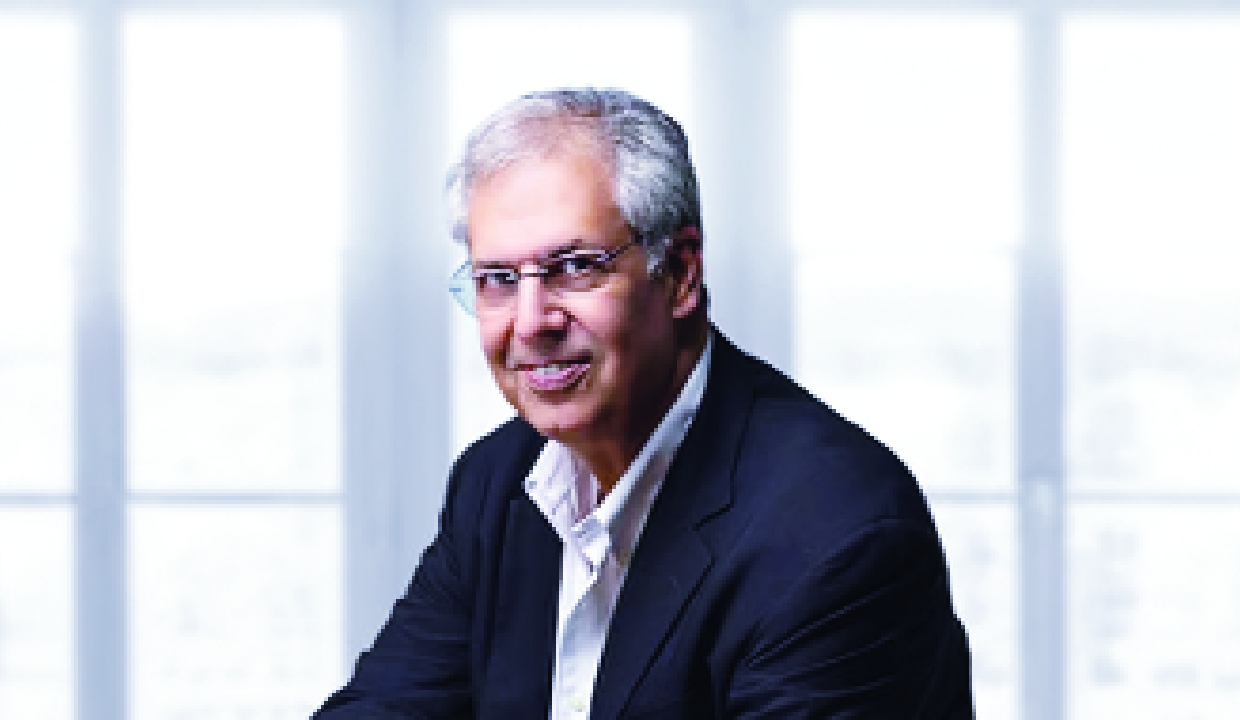
Noel Tata is attempting a difficult balancing act: resolving a Rs 25,000-crore-plus shareholder liquidity issue without compromising the century-old Tata model. That may be the most significant element of his strategy.
At a Tata Sons board meeting, Noel Tata stood firm against listing Tata Sons while insisting that other lawful alternatives be examined. His position follows the unanimous decision taken in March 2024, under Ratan Tata’s guidance, to keep Tata Sons unlisted. The principal Tata Trusts reaffirmed that position in 2025.
But Noel Tata has not simply said “no.”
At the same time, he tabled an SP Group proposal that could potentially monetise part of its Tata Sons holding for at least Rs 25,000 crore through a proposed two-tranche structure over 18 months, along with a selective capital reduction, subject to the required processes and approvals.
He also proposed several possible funding avenues, including internal cash flows, monetisation of listed investments and bringing investors into newer businesses.
The message is clear: solve the liquidity problem without dismantling Tata Sons.
That is where the argument for a “gold standard of governance” gains significance.
Unlike a conventional promoter-controlled structure, Tata Sons is majority-owned by charitable trusts. Dividends from the group support hospitals, universities, research institutions and other public-purpose initiatives.
Ironically, that public-purpose structure can also create additional regulatory and governance complexities.
In May, an ex-parte direction from Maharashtra’s Charity Commissioner required a meeting of Sir Ratan Tata Trust to be deferred. Tata Trusts said that no prior notice or hearing had been provided.
That episode raises a broader governance question: does Tata sometimes face greater structural complexity precisely because generations of its wealth were placed in charitable trusteeship rather than ordinary promoter ownership?
Noel Tata’s approach appears to be to preserve that model while working within the law and exploring commercial solutions to the shareholder liquidity issue.
The underlying principle is straightforward: protect value, protect trust and protect the institution.