Noel Tata’s Stand: No Individual Is Bigger Than the Institution
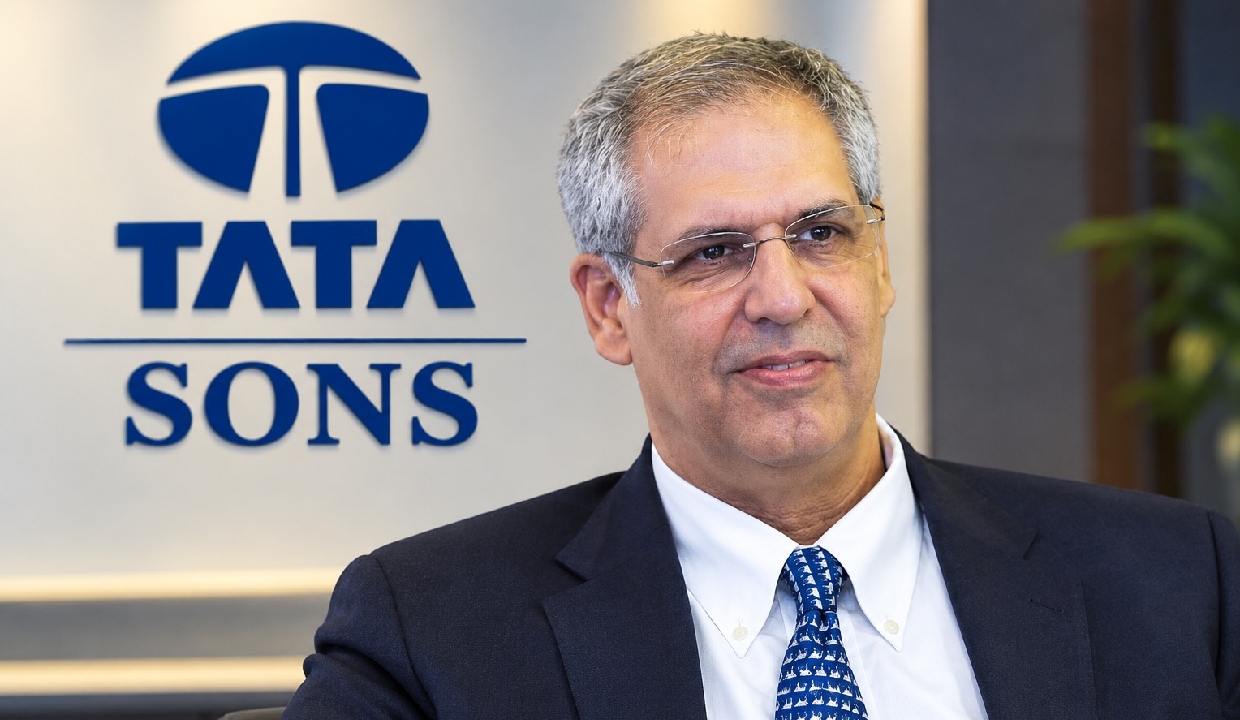
The Tata Sons boardroom battle has placed a larger institutional question at the heart of the Tata Group: can the company’s governance framework remain stronger than the personalities occupying its most powerful offices?
Noel Tata’s opposition to N. Chandrasekaran’s reappointment has brought that question into the open.
Chandrasekaran told the Tata Sons board on August 12 that he would not offer himself for another term after February 20, 2027. Tata Trusts accepted his decision and asked the company to begin the process of selecting a successor.
Then the script changed.
The Nomination and Remuneration Committee asked Chandrasekaran to reconsider. He agreed, and the Tata Sons board subsequently approved a fresh five-year term on September 17.
Four directors voted in favour. Noel Tata voted against. Chandrasekaran did not vote.
Tata Trusts has since challenged the decision.
Its argument is based on the Articles of Association. The Trusts say chairman-related decisions require affirmative support from a majority of their nominee directors. There are two such directors on the board. Noel Tata opposed the resolution, while Venu Srinivasan supported it.
The Trusts therefore say the required condition was not fulfilled and that the overall board majority cannot substitute for it. They have also rejected the use of a casting vote to resolve what they say was not a qualifying deadlock.
The argument has a larger governance implication.
A corporation is designed to survive changes in leadership. A chairman can leave, return, or be replaced. Shareholders can change their views. Boards can change composition. What is supposed to remain stable is the framework that determines how those decisions are made.
That is particularly relevant at Tata Sons because Tata Trusts hold roughly 66% of the company. The Trusts’ ownership is also linked to a distinctive philanthropic model, with dividends supporting charitable work.
The Trusts have therefore presented the dispute as a question of institutional protection rather than simply a disagreement over one executive.
Their September 20 statement went further, referring to the earlier Cyrus Mistry case. The Trusts argue that Tata Sons had previously defended the protective voting rights of Trust nominees in Supreme Court proceedings and should not now take a position that undermines those rights.
The issue remains contested. The Trusts’ interpretation of the Articles is not itself a final judicial determination, and the legal effect of the September 17 resolution may depend on subsequent corporate or legal proceedings.
But the institutional stakes are clear.
The chairman dispute is also occurring alongside a disagreement over Tata Sons’ listing. After the RBI rejected Tata Sons’ request to surrender its core investment company registration, the company moved towards examining listing options. Tata Trusts has said it has not agreed to a listing and wants alternatives explored.
The combination means Tata Sons is dealing with two fundamental questions at once: who leads the holding company and what kind of holding company it should remain.
Neither question can be answered by personality alone.
For Noel Tata, the governance framework is the dividing line.
For Tata Sons, the next stage will test how that framework operates when the board and its largest shareholder disagree.
The person in the chair may command attention.
But institutions are built to outlast individuals.
That is the principle now being tested at Tata Sons.