NIA probes Pakistan-linked drone-based terror module
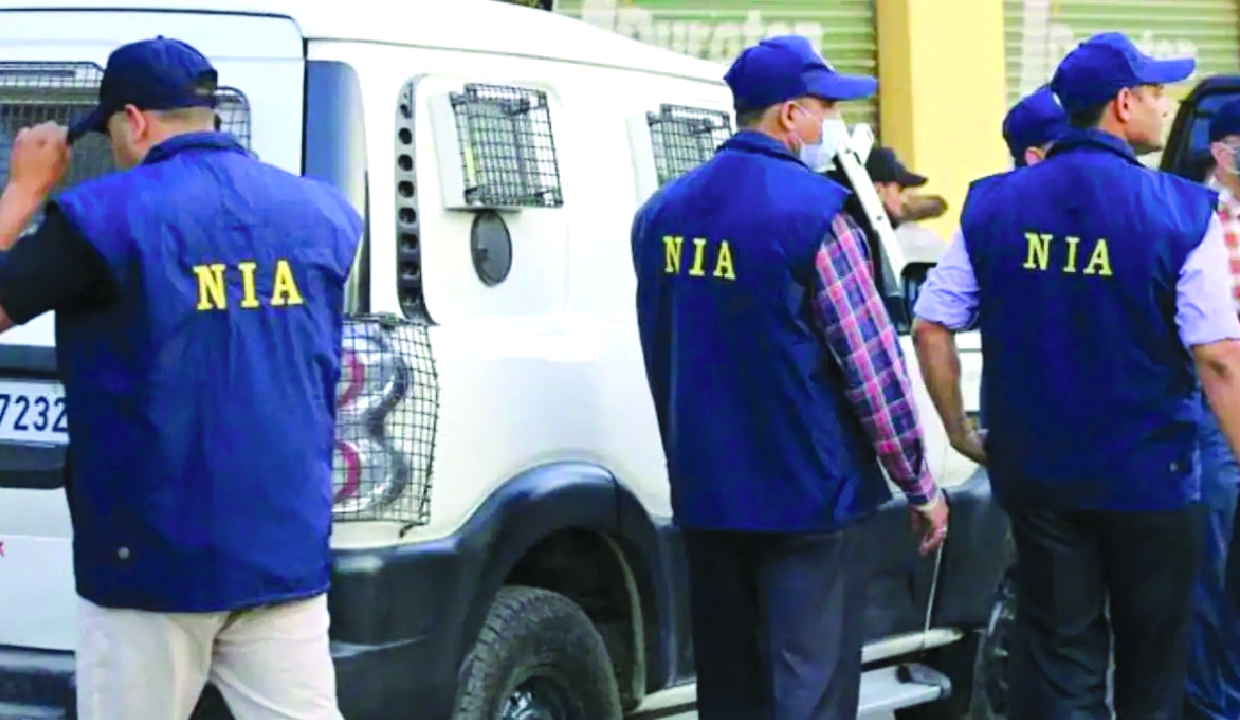
The National Investigation Agency (NIA) on Friday conducted raids at 12 locations across four States. They targeted a Pakistan-linked group accused of smuggling arms and explosives into the country. The group allegedly planned to use drones for terrorist attacks.
According to NIA officials, they searched five places in Uttar Pradesh, three in Maharashtra, and two each in Bihar and Rajasthan on Friday. The people targeted are suspected of helping the group by receiving arms, ammunition, and IEDs dropped by Pakistani drones across the border. The investigation began on February 10. On that day, the Punjab Police’s State Special Operations Cell in Amritsar arrested Shubham Kumar from Sitapur, Uttar Pradesh. He was found with an IED in a metal case with a remote-control trigger, a foreign-made pistol, and ammunition. All of these were reportedly delivered by drone on Chaudhary’s orders.
Intelligence reports suggest the February 10 delivery was part of a larger plan. The aim was to carry out coordinated blasts in Punjab, Delhi, and other areas, seeking to cause mass casualties and panic.
The NIA took over the case in early April at the direction of the Union Home Ministry. They registered the case under several acts. Investigators are still trying to confirm Chaudhary’s real identity and find other group members. Friday’s raids mark a major step. The raids aimed to collect evidence, seize illegal items, and identify the wider support network. Officials emphasise the need to focus on dismantling local logistics for cross-border operations. Drone smuggling poses a serious new threat.
Security agencies have detected numerous drones crossing the Punjab-Jammu border. These drones carry weapons, drugs, and cash for terror activities. Intelligence points to Chaudhary directing drone drops to sleeper cells and exploiting border weaknesses. The NIA recently filed similar charge sheets. Experts note such operations disrupt smaller, harder-to-detect terror plots.
Sources from the Home Ministry said Friday’s searches yielded some early leads, but details remain secret. “The agency is working in close coordination with state police forces. Further arrests and seizures are expected as analysis of digital devices and documents proceeds,” one official said. In the areas searched, NIA teams kept a low profile and focused on places linked to suspects. No one was detained right away. Officials said several people are being questioned.
Analysts note that this case shows cross-border handlers are using new tactics, including technology, drones, encrypted apps, and social media. These help them evade traditional security checks. The case also reveals weaknesses in smaller towns and cities. Local helpers, often young people or petty criminals, play a key role. With tensions high along the borders, the NIA’s quick action is a clear message of zero tolerance. “We will not allow any foreign element to disturb peace and security,” a senior security official said.
Authorities have urged the public to report suspicious drone activity or possible smuggling. The agency is also investigating possible links to foreign funding. The case is ongoing, and multiple agencies are involved. More raids and arrests are expected soon, helping uncover the network behind the plot.