NIA files chargesheet in cross-border terror case
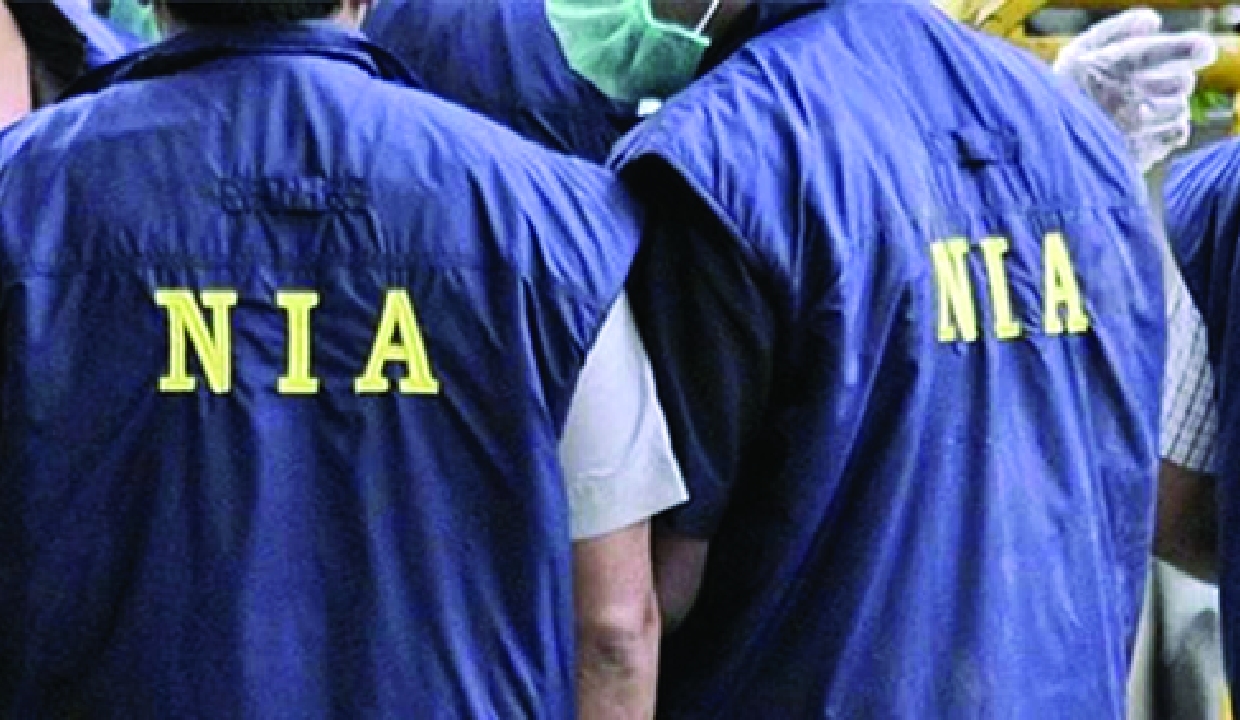
The National Investigation Agency (NIA) has filed a chargesheet against two people accused in a cross-border terror plot. The case involves the alleged smuggling of an Improvised Explosive Device (IED), a firearm, and heroin across the India-Pakistan border. The plan was meant to enable attacks that could cause mass casualties and disrupt public order in India.
The chargesheet, filed in the NIA Special Court in Mohali, names Shubham Kumar, who is in custody, and Jasvir Chaudhary, who is still at large. Both are charged under the Unlawful Activities (Prevention) Act (UAPA), the Bharatiya Nyaya Sanhita, the Explosive Substances Act, the Arms Act, the Narcotic Drugs and Psychotropic Substances (NDPS) Act and the Railways Act.
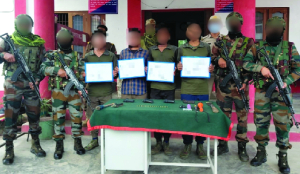
These charges include terrorism, illegal possession of explosives and firearms, drug trafficking and threats to transportation infrastructure. The case started in February 2026 when the State Special Operations Cell (SSOC) in Amritsar arrested Shubham Kumar. He was found with a live IED in a metal case, a remote-control device for detonation, a foreign-made .30 bore pistol with a magazine, 20 live cartridges, a mobile phone and some heroin.
These seizures gave investigators their first major lead, which later pointed to a larger, organised conspiracy. In March 2026, the NIA took over the case because it involved both interstate and cross-border elements. Their investigation uncovered a network led by a handler in Pakistan with several associates in India. According to the NIA, the main goal of this network was to obtain and smuggle arms, explosives and drugs through cross-border routes. These operations used weak spots along the border to support terrorist activities in India.
The investigation found that Kumar was tasked with planting a timer-activated IED on a passenger train. The aim was to cause civilian casualties on the railway. The larger plan included coordinated attacks at several locations in Punjab and Delhi, aiming to cause loss of life and property, disturb public peace and threaten national security.
The NIA says the investigation has produced a large amount of oral, written and digital evidence. This material supports the alleged conspiracy and shows the roles of each accused person. The chargesheet was filed on time, showing the agency met legal deadlines and was thorough.
At the same time, authorities are working to find and close the routes used to move explosives, weapons and drugs across the border. Officials say stopping these supply lines is key to preventing future plots. This case highlights the ongoing challenges of cross-border terrorism and the need for constant vigilance, teamwork between agencies and strong legal action to protect national security.