CPI(M) slams E20 fuel policy, cites vehicle damage
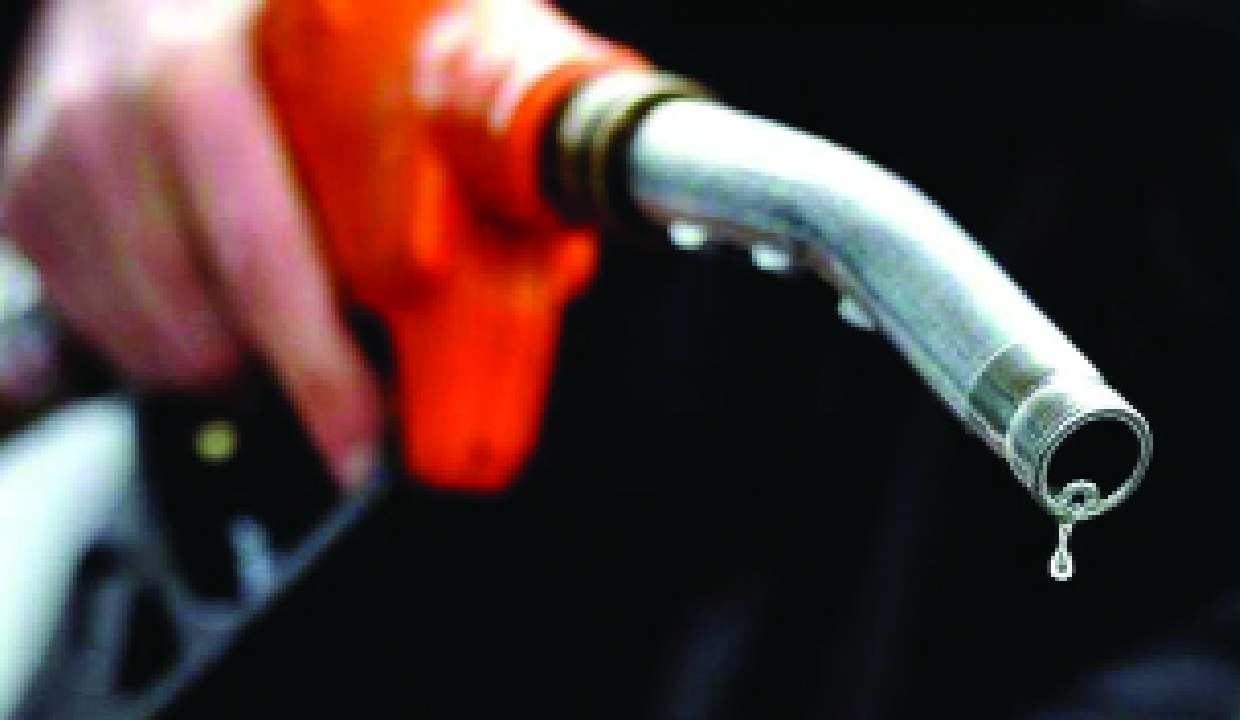
The Polit Bureau of the Communist Party of India (Marxist) on Friday expressed serious concern over the implementation of the Union Government’s Ethanol Blending Policy (EBP), demanding that consumers be given a choice between blended fuel and unblended petrol at all retail outlets.
Taking a strong stance against the mandatory roll-out of E20 fuel, the CPI(M) alleged that the policy prioritises corporate profits over public interest, food security, and consumer rights.
In a statement issued from the party’s central committee office, the Left party highlighted a recent communication by the Society of Indian Automobile Manufacturers (SIAM) to the Union Petroleum Ministry. The party noted that SIAM had raised alarm over vehicle damage caused by ethanol-blended fuel before withdrawing its letter. “The subsequent withdrawal of the letter, obviously under pressure, does not negate the concerns raised therein,” the Polit Bureau stated.
Critiquing the pricing structure of E20 fuel, the CPI(M) pointed out that despite initial assurances that ethanol blends would be cheaper, E20 is currently sold at rates comparable to regular petrol. This comes despite blended fuel offering lower mileage and causing increased wear and tear on engine components, leaving motorists with no alternative options.
Raising concerns over agricultural impact and food security, the CPI(M) warned against the diversion of food crops for fuel production in a nation struggling with hunger and malnutrition. The party highlighted that maize is being imported to boost ethanol output, leading to distortions in cropping patterns and the over-extraction of groundwater due to water-intensive cultivation.
The CPI(M) further cautioned the Centre against the potential import of Genetically Modified (GM) corn from the United States, warning that it risks contaminating local crops and being diverted for human consumption.
Calling for an immediate review of the fuel strategy, the CPI(M) demanded that ethanol blends be priced proportionately lower than unblended petrol to compensate consumers for reduced fuel efficiency. It also urged the government to cap ethanol blending at 20 per cent and warned of widespread public protests if the policy is not rectified.