NCRTC allocation dips about 25 per cent to over Rs 2,000 crore in Union budget
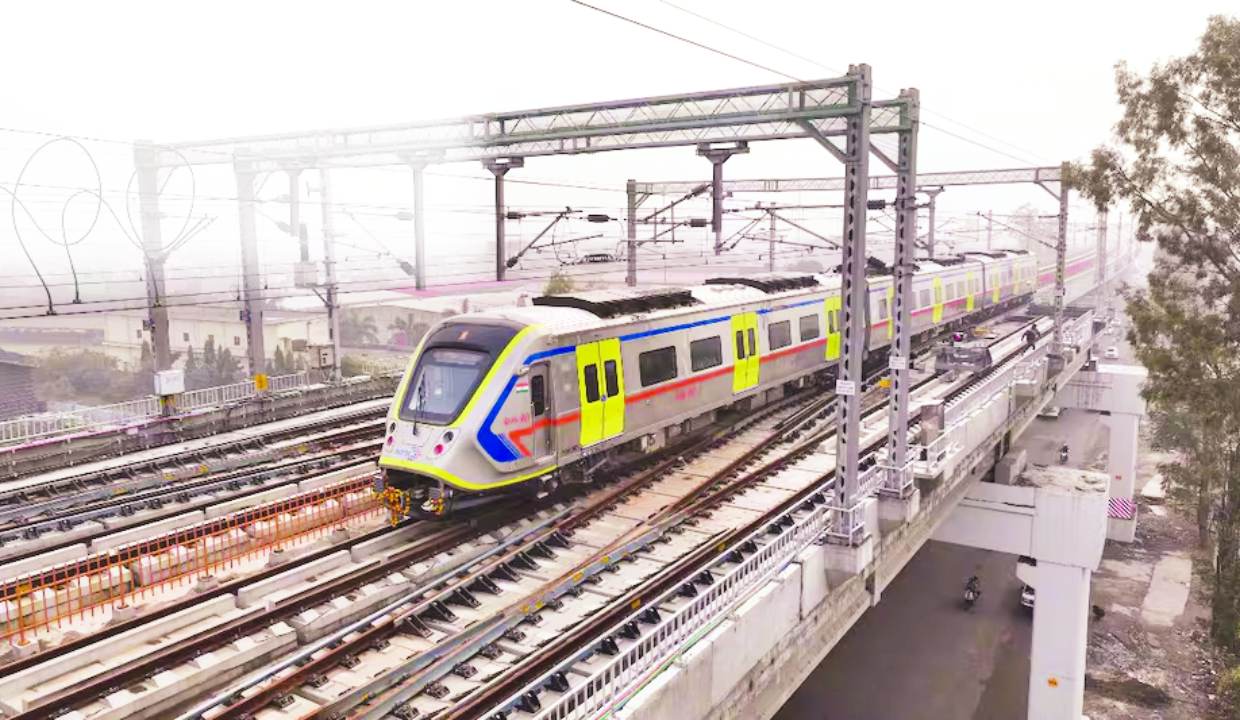
The Union Budget 2026-27 has allocated over Rs 2,000 crore to the National Capital Region Transport Corporation (NCRTC), around 25 per cent lower than the previous year’s outlay.
The joint venture company, created to implement the Regional Rapid Transit System (RRTS) project, received an allocation of Rs 2,200 crore for the current financial year, compared to Rs 2,918 crore in 2025-26 and Rs 3,855 crore in 2024-25.
The Ministry of Housing and Urban Affairs had allocated Rs 2,918 crore to the NCRTC in FY26, but the revised estimate shows a total expenditure of Rs 2,000 crore on the Namo Bharat train operator. For FY27, the Ministry has earmarked an outlay of Rs 2,200 crore for NCRTC. The latest numbers show a consistent dip in NCRTC’s allocation. In FY25, the government spent Rs 3,855 crore on NCRTC.
Presenting the Budget on Sunday, Finance Minister Nirmala Sitharaman earmarked Rs 1,324 crore under revenue expenditure and `876 crore for capital expenditure for the regional rapid rail project. The Budget documents said the investment would support efforts to decongest the Delhi-National Capital Region and help in reducing pollution through faster and cleaner public transport.
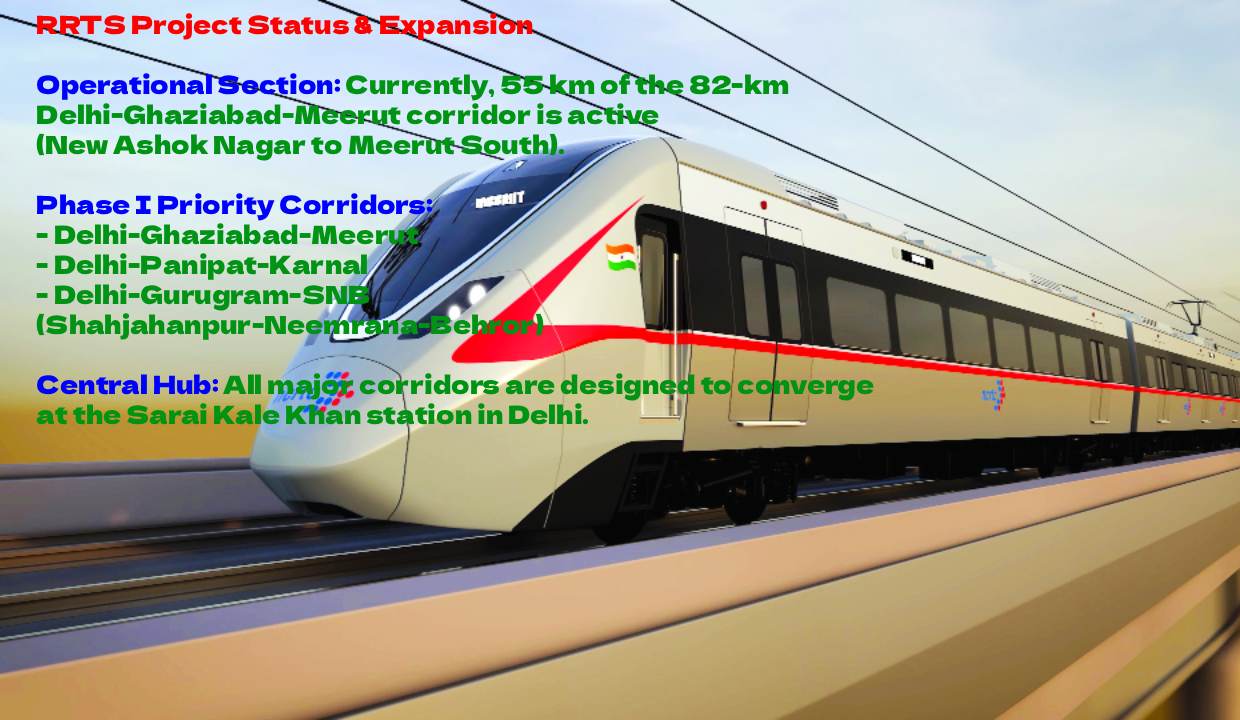
Under Phase I of the project, three major corridors — Delhi-Ghaziabad-Meerut, Delhi-Panipat-Karnal and Delhi-Gurugram-SNB - have been planned to converge at the Sarai Kale Khan Namo Bharat station in the Capital. Several future corridors are also in the pipeline, including Delhi-Faridabad-Ballabgarh-Palwal, Ghaziabad-Khurja, Delhi-Bahadurgarh-Rohtak and Delhi-Shahdara-Baraut.
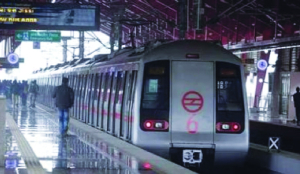
At present, a 55-km section of the 82-km Delhi-Meerut Namo Bharat corridor, from New Ashok Nagar (Delhi) to Meerut South (Uttar Pradesh), is operational.
“The Delhi-Meerut Namo Bharat Regional Rapid Transit System (RRTS) represents a structural shift in India’s approach to regional urban mobility, positioning high-speed commuter rail as economic infrastructure rather than a transport add-on. Spanning 82 km and designed for speeds up to 180 kmph, the corridor reduces Delhi-Meerut travel times to under one hour, compared to 1.5-2 hours by road.
The project’s financing structure — 20 per cent each from the Centre and participating states, and 60 per cent from ADB, AIIB and NDB — demonstrates a scalable template for leveraging public capital to crowd in development finance for urban-regional connectivity,” the Economic Survey noted.
The Namo Bharat RRTS also delivers substantial labour-market and inclusion benefits. Construction generated roughly 166 lakh mandays between 2019 and 2025, while operations are expected to support around 12 lakh mandays annually. Early accessibility estimates suggest large gains in jobs reachable within one hour - nearly 6.9-7.6 lakh for Meerut and about one lakh for Sarai Kale Khan - expanding effective labour markets across the region,” the survey explained.
NCRTC Budgetary Trends
- 2026-27 (Proposed): Rs 2,200 crore
- 2025-26 (Revised): Rs 2,000 crore (down from a budget estimate of Rs 2,918 crore)
- 2024-25 (Actual): Rs 3,855 crore