NCPCR fortifies Safety Net for Children, landmark achievements in 2025-26
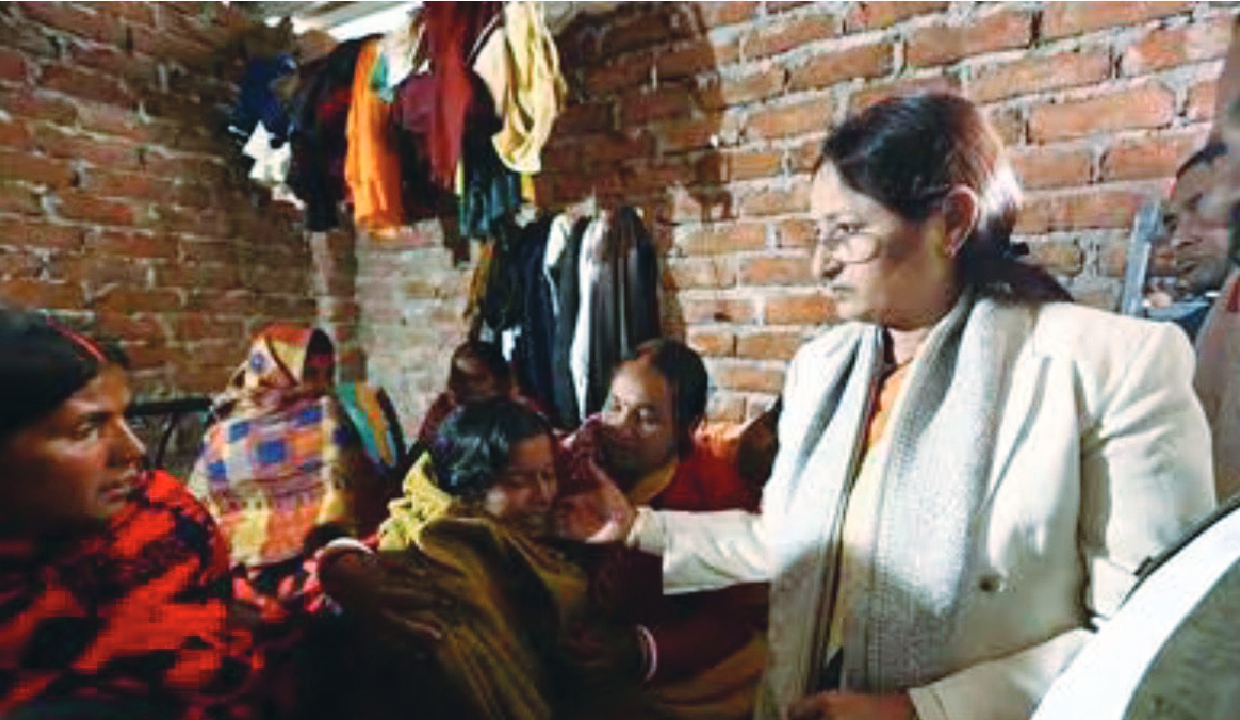
In a landmark achievement, the National Commission for Protection of Child Rights (NCPCR) during the financial year 2025–26 has resolved nearly 36,000 pending complaints, which amounts to more than 70 percent of its decade-long backlogs.
Another significant step is the “Sugar Board” initiative of Prime Minister Narendra Modi, which has been adopted by NCPCR across 24 States and Union Territories, covering nearly seven lakh schools. The measures demonstrates how simple, preventive messaging can have a nationwide impact on child well-being. Its recognition at the highest levels underscores its relevance, added the official.
According to make officials in the Ministry of Women and Child Development, this is not just an administrative milestone; it represents thousands of children whose voices were finally heard and acted upon. “Timely grievance redressal is often the first step in restoring dignity and protection,” officials led. The WCD ministry in the third tenure of the Narendra Modi government is being led by Minister Annapurna Devi.
“Equally significant has been the NCPCR's renewed push against child trafficking—one of the gravest threats to child rights. Through two coordinated, pan-India rescue and rehabilitation drives, around 4,000 children were rescued from exploitative situations, with over 2,700 successfully rehabilitated. These numbers reflect not just enforcement, but the power of coordination between national and state agencies, civil society, and law enforcement,” another senior WCD department officer informed.
Rehabilitation, however, goes beyond rescue. The GHAR (Go Home and Reunite) initiative has enabled the repatriation of more than 2,200 children to Child Care Institutions in their home districts. By reconnecting children with familiar socio-cultural environments, the initiative strengthens the prospects of long-term recovery and reintegration.
At the same time, the Commission has embraced technology as a force multiplier. The integration of 16 legacy websites into a single, unified digital platform marks a significant leap in accessibility and transparency. For a body that deals with vulnerable populations, ease of access can make the difference between neglect and intervention.
The launch of a dedicated portal to address international parental child abduction cases is another forward-looking step. As cross-border mobility increases, so do complex custody disputes. Providing a structured digital mechanism to address such cases reflects an understanding of emerging challenges in child protection. Public health and awareness have also found a place in the Commission’s priorities.
Meanwhile, the campaign “Bal Taskari Se Azadi 3.0” implemented across 200 districts, signals a deepening of grassroots engagement. Such district-level interventions are crucial in a country where vulnerabilities often vary by region.
Beyond enforcement and campaigns, the Commission has invested in capacity building. Through 61 conferences and workshops held across the country, stakeholders at every level—from district officials to policymakers—have been engaged on critical legislations like the POCSO Act, JJ Act, and RTE Act. Strengthening institutions ultimately depends on strengthening the people who run them.
“Taken together, these efforts point to a broader shift in approach: from reactive to proactive, from fragmented to integrated, and from procedural to outcome-oriented governance. Yet, challenges remain. Sustaining momentum, ensuring uniform implementation across states, and addressing emerging digital risks to children will require continued vigilance,” added the official.
NCPCR achievements in 2025-26
- Backlog Reduction
- Pan-India Anti-Trafficking Drive
- Repatriation through GHAR Portal
- “Sugar Board” Initiative
- Anti-Trafficking Campaign
- Capacity Building & Awareness
- Digital Transformation
- International Child Protection Initiative