National Tourism Day: Growth, Aspiration and Accountability
As India celebrates National Tourism Day on 25th January 2026, the travel industry is in the midst of a profound reset. International arrivals are recovering, domestic tourism is booming, and Indians are travelling in greater numbers — and for more varied reasons — than ever before.
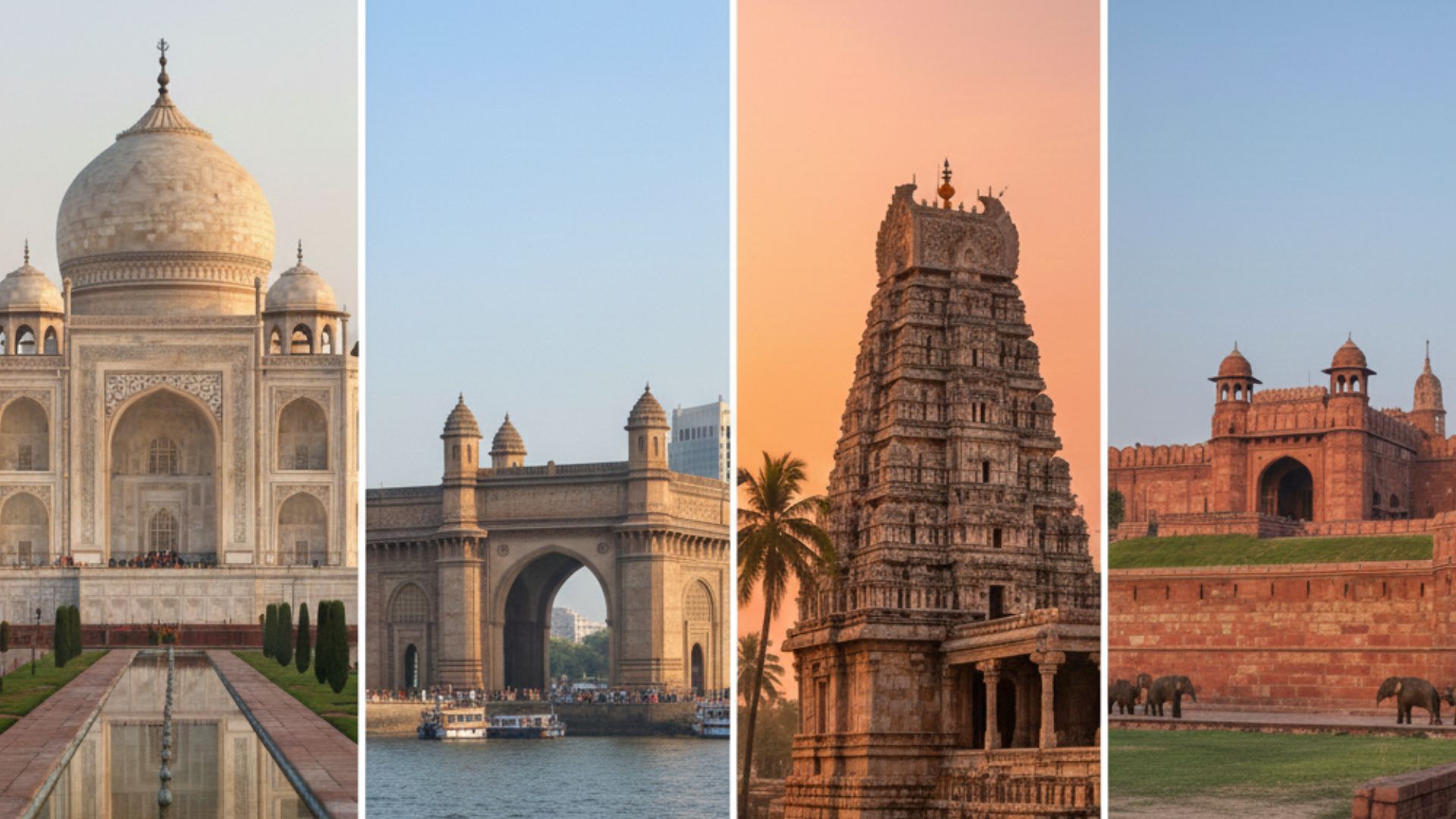
One of the clearest shifts is away from the metropolitan hubs and global megacities towards lesser-known and emerging destinations. Within India, hill stations beyond the usual favourites, smaller beach towns, wildlife corridors, and heritage circuits - are the new hotspots drawing steady traffic from travel enthusiasts.
In the post-COVID era, with the flexibility of work-from-home (wfh), Indian travellers are extending work trips or family holidays to lesser‑known places that offer rich culture, safety, and better value, a trend responsible for the rise of “Detour Destinations”. This dispersal of demand is easing pressure on overcrowded hotspots while spreading tourism income more evenly across the country and internationally.
At the same time, shorter, more frequent breaks are replacing the single long annual holiday. Long weekends, school breaks, and festival seasons are now peak periods for both domestic and outbound travel, assisted by low‑cost air carriers & rail connectivity, improved highways, expansion of Transportation Network Companies (TNCs), transformation of payments with UPI/EMIs, heavy discounts by Online Travel Companies/Agencies, and the rise of homestays and budget hotels.
Additionally, India’s improving political & international ties have resulted in the Indian passport moving from the 85th position to the 80th position in 2026 in the Henley Passport Index, offering visa-free or visa-on-arrival access to 55 countries, encouraging travellers to look beyond the traditional list of countries. These combined factors have resulted in Indian travellers to maximise long weekends across the year - such as this Republic Day weekend, witnessing a 15–20% surge in travel demand compared to a typical January weekend.
Social media has separately played its role by creating FOMO (fear of missing out) among friends, peers, and families. The ‘race’ to see who travels first, who travels more frequently, or who embarks on more exciting journeys has added extra pressure on travellers under the age of 40. The role of travel influencers has also evolved from content creators to industry partners as they increasingly drive travel decisions — something the industry is actively capitalising on.
While relaxation and sightseeing remain primary motives, three themes stand out for Indian travellers: First, Connection and Celebration: Families separated by work and migration are using travel to reunite, celebrate weddings and milestones, and rediscover home states with a tourist’s curiosity. Second, Spiritual and Wellness: From Char Dham to Yoga and Ayurveda retreats in the South, journeys that combine faith, wellbeing, and reflection are growing strongly, often across generations. Third, Aspiration and Experience: A rising middle class are putting international trips within reach of first‑time passport holders. The once-pompous Videsh Yatra is now more accessible, with smaller and less popular countries like Georgia now on the ‘to-visit’ list and an increasing demand for short-haul spots like Thailand and Dubai. For younger travellers aged between 25 and 45 years, food, music, sport, monuments, and pop‑culture locations matter as much as the destination’s name. These young travellers are the aggregators of the booming tourism industry. For them, solo travelling is considered liberating and transformative, while group travelling with strangers is a way of interacting with new people and a social experience.
Alongside growth, there is a sharper awareness of over‑tourism, climate risks and cultural erosion within India. State tourism boards, industry bodies and local communities are beginning to talk more seriously about carrying capacity, waste management, homestay regulations and protection of natural habitats. On the other hand, Indians are being criticised for the lack of civic sense, disrespect for traditions and cultures, inappropriate and rude behaviour, both globally and locally. In the past, a few Indian travellers have been caught on the wrong side of the law for causing nuisance while being intoxicated, stealing amenities from hotel rooms, and many other incidents that have caused major embarrassment for the country and their fellow travellers. While influencers and travellers are becoming more aware of the consequences of such behaviour, there is also a growing emphasis on civic engagement, cultural sensitivity, and community respect. Dos and don’ts are now widely shared to ensure travellers have enriching experiences while leaving destinations with humility, respect, and goodwill.
The challenge for India — and for the tourism industry — is to convert today’s strong demand into sustainable, inclusive growth: encouraging travellers to stay longer, spend more locally, respect communities and leave destinations better than they found them. India faces the additional challenge of meeting the growing demand of its travellers. Therefore, improved travel infrastructure is essential. If 2025 was about getting fully back on the road, 2026 is about deciding what kind of travellers we want to be, the reputation we want to leave, and what kind of tourism future we want to build.
Authors: Ankita Gauba, Tourism Expert.
AK Sharma, Independent Consultant.