NADA’s ‘conditional exoneration’ of Polo star sparks controversy
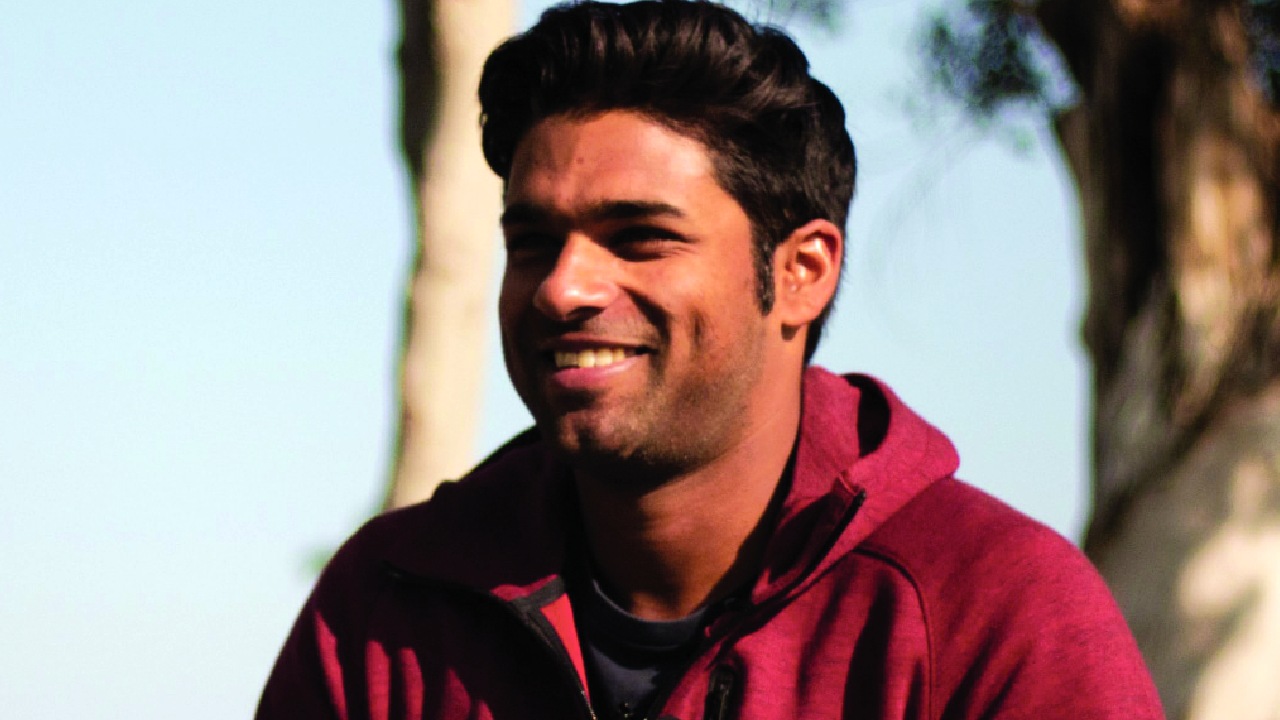
In a startling revelation, ace Polo player Siddhant Sharma, who was recently ‘provisionally’ suspended after testing positive for taking cocaine, has been “exonerated conditionally” by the disciplinary committee of the National Anti-Doping Agency (NADA), albeit the player, in a sworn-in affidavit, has confessed to having taken the banned substance. Sharma is a professional player of the Jindal Panther Polo Team, a venture by industrialist and three-time MP and polo player Naveen Jindal.
In lifting the ban, the anti-doping committee took cognisance of the confession of Siddhant Sharma that he administered contraband cocaine “only for recreational purposes to celebrate Diwali on 14.10.2025”. He had participated in the Baroda Cup Polo Tournament in New Delhi between October 15, 2025, to October 19, 2025, and his urine sample was collected on the last day of the tournament. The findings in the urine sample of Siddhant are on the prohibited list of the World Anti-Doping Agency (WADA).
“The provisional suspension imposed upon the Athlete Mr Siddhant Sharma, vide NADA Notification dated 18.12.2025, is hereby revoked and shall remain inoperative until the final disposal of this case. The athlete is permitted to participate in all competitions scheduled for the remainder of the ongoing 2025-2026 polo season, including but not limited to Maharaja Prithi Singh of Baria Cup (January 2026), Jaipur February Polo Season 2026 and Delhi Spring Polo Season 2026,” the NADA order dated January 14, 2026, a copy of which is with The Pioneer, stated.
Sharma, who can now play, is part of the seven Indian athletes who were provisionally suspended by the NADA in 2025 for testing positive for banned substances, while others remain out of bounds. The polo player sample was collected by the National Dope Testing Laboratory, which returned an ‘Adverse Analytical Finding’ (AAF) for the presence of Cocaine and its metabolite Benzoylecgonine, classified under Non-Specified Stimulants of the World Anti-Doping Agency (WADA) prohibited list.
The above lifting of the ban was taken into consideration after a submission to the NADA Sharma admitted “that its ingestion occurred in a recreational, social context during a Diwali gathering on the evening of 14.10.2025, before the commencement of the in-competition period. The disciplinary panel accepted Sharma’s contention that the ingestion was out-of-competition and unrelated to sport performance.
The committee, however, said any medals, points, prizes, rankings, or other competitive results attained by the Athlete from the date of this order shall be provisional and held in abeyance. “Their final confirmation, forfeiture, or disqualification shall be entirely contingent upon the final judgment and order of the hearing panel,” noted the committee after Sharma had requested the committee to expedite the hearing seeking to lift the ban of provisional suspension to enable him to participate in the forthcoming Polo games.
A two-goal handicap professional, Sharma played 27 competitive matches in 2025 and was part of the Jaipur Polo Season finalists that year. He also competed in the Indian Open earlier in the season and represented his club in three high-handicap semi-finals before the adverse finding.
Others, like Uttarakhand cricketer Rajan Kumar, have been found guilty of using three prohibited substances: drostanolone, metenolone, and clomifene. Also, Sprinter S Dhanalakshmi, who was picked by Royal Challengers Bengaluru for the 2026 Indian Premier League, served an eight-year ban, footballer Nongmaithem Ratanbala Devi, Javelin Thrower Gaurav Patel, Weightlifter Khushbu Kumari, and Boxer Achalaveer Karwasra, who are still struggling to contest their case.