Municipal votes, Mumbai’s mess
The media focus is, of course, on the bitter, controversial, and no-holds-barred political battle as the Thackeray brothers fight for the revival, survival, and relevance in the Bombay Municipal Corporation (BMC) elections. Mumbai, the financial capital, holds a special place in the economy. With an annual budget of INR 75,000 crores, the city commands a potential expenditure kitty that is more than four times that of the Bengaluru Municipal Corporation. But beyond the political heat, and bitter exchanges of words between the political rivals in the elections, lies a deeper and troubling trend that is normally ignored, and brushed under the carpet.
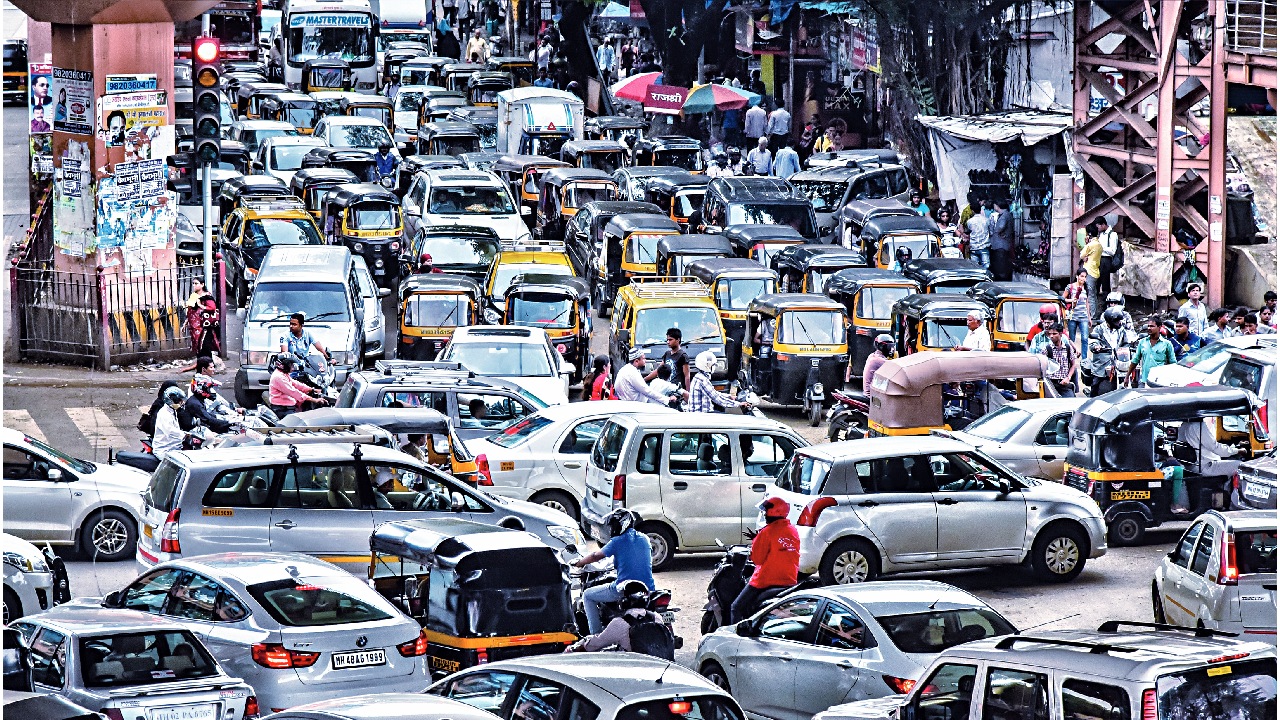
It relates to the problems and worries related to the growing urbanisation, and increasingly incompetent urban governance across the country, and especially in the metros like Mumbai. By 2030, more than 40 per cent of the country will become urban. However, as past experiences show, urban governance has completely bypassed reforms, policy changes, and management issues. The mess that we witness in the cities, whether they are large or small, whether one is in Delhi, Mumbai, Lucknow, Bhubaneswar, or Vizag, is abysmal. The quality of governance is so bad that livelihoods are in a crisis.
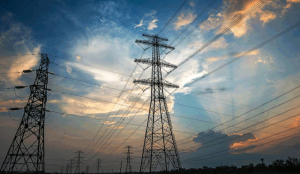
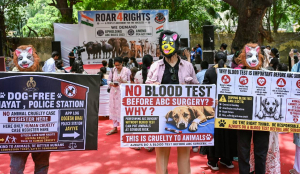
Poor roads, inadequate sewage management systems, and lack of potable drinking water, and electricity supply remain areas of concern. Stray dogs can bite and kill children at will, and garbage is strewn all over. This is a scenario visitors, investors, and residents confront daily. foreign investor or a tourist confronts when she or he lands in India. The politicians tell you that this is a problem with large cities across the world, especially the ones that continue to grow in area, and population. But they are wrong.
Across Asia, in nations such as Japan, China, South Korea, Malaysia, Thailand, and Indonesia, one finds positive examples of urban turnarounds, and revivals. The urban centres in these nations went through periods of crises, but successfully managed to reform and improve governance. In China, for instance, the major cities were beset by pollution. Not any longer, even as the cities in India continue to struggle with AQI levels of 300-500, which are dangerous. Infrastructure creaks, and even the new structures crumble down. Corruption and mismanagement is rampant.
A study by PRS India, which was conducted a few years ago, succinctly sums up the problem areas. “Indian ULBs (urban local bodies like the BMC) are amongst the weakest in the world in terms of fiscal autonomy, and have limited effective devolution of revenue. They also have limited capacity to raise resources through their own sources… such as property tax. Municipal revenue in India accounts for only one per cent of the GDP. This leads to a dependence on transfers by the state and central government.”
What this analysis misses out is the political control over the municipal bodies. Given the huge annual mega-budgets of the corporations, especially in the metros, there is an unwillingness among the politicians to let go of the cash cows. Once politics becomes embedded with local issues, there are the usual side-effects. There is interference from Delhi, which is the headquarters for most of the mainstream political parties, and from the respective states, especially if the city is not a state capital. Hence, real power devolved up to the areas that are not concerned about the specific local body.
Moreover, the root of the core problem goes back to 1992, when the seventy-fourth constitutional amendment was passed. The law states that the state governments need to give financial, administrative, and management autonomy to the ULBs. This, sadly, has not happened after more than three decades. The result is extreme political interference, which results in pathetic governance, poor quality of living standards, and abysmal infrastructure. In the so-called star cities like Indore, which is ranked as the cleanest city in the country India for years, there was a recent crisis, and 15 people died because of the poor quality of drinking water.
According to a recent report by the Comptroller and Auditor General (CAG) of India, the aim of the 1992 constitutional amendment was to devolve 18 functions to the ULBs. Over three decades, only four of them were accomplished with complete autonomy. Most states failed to comply with the “in-spirit reading” of the new requirement, CAG observed after studying the performances and management of nearly 400 ULBs across 18 states, which included Maharashtra, Madhya Pradesh, and Haryana, with large cities. Other studies indicate financial constraints, as ULBs face more than 40 per cent revenue shortfalls, and generate a third of revenues through internal sources.
If this can happen in the cleanest city, one can imagine the situation in other cities. This is especially surprising because the large, and financially-strong ULCs, like the BMC, spend massive amounts every year to improve the existing infrastructure, and build new ones. For example, the construction of the Mumbai Metro over the past decade and more has sucked in close to INR 1,00,000 crores, and the one in Bengaluru has already cost INR 60,000 crore. One sees the inauguration of fancy projects across the cities, which include flyovers, under passes, new roads, and others.
But they are never enough. The cities creak, and scream. The people are desperate and frustrated. The projects serve other purposes, and do not take the future into account. An expert on urban governance, Ramnath Jha of Observer Research Foundation, says, “The deteriorating condition of Indian cities is mainly due to the almost complete inaction by the states regarding urgent urban reforms. If this is combined with rising urbanisation, and mounting economic and demographic significance of cities, an important question arises: What action does the Government of India contemplate to address the disempowerment of the urban local bodies? This includes concerns such as poor planning, lack of affordable housing, outdated governance architecture, and financial emaciation.”
Hence, it does not matter who wins the BMC elections. Now, what does one do with urban governance? Elections will come and go. Perhaps the BJP-led coalition will control the BMC. Perhaps not. Perhaps the Thackeray family may regain relevance, and become the king of Mumbai again. Unless governance issues are tackled, the residents may still crave for safe drinking water, proper roads, clean sewage systems, less garbage, and no stray dogs. The same process will repeat across the other ULBs. Politics need to change, and give way to efficient and transparent governance, and management.