MP leads nation with drone data repository
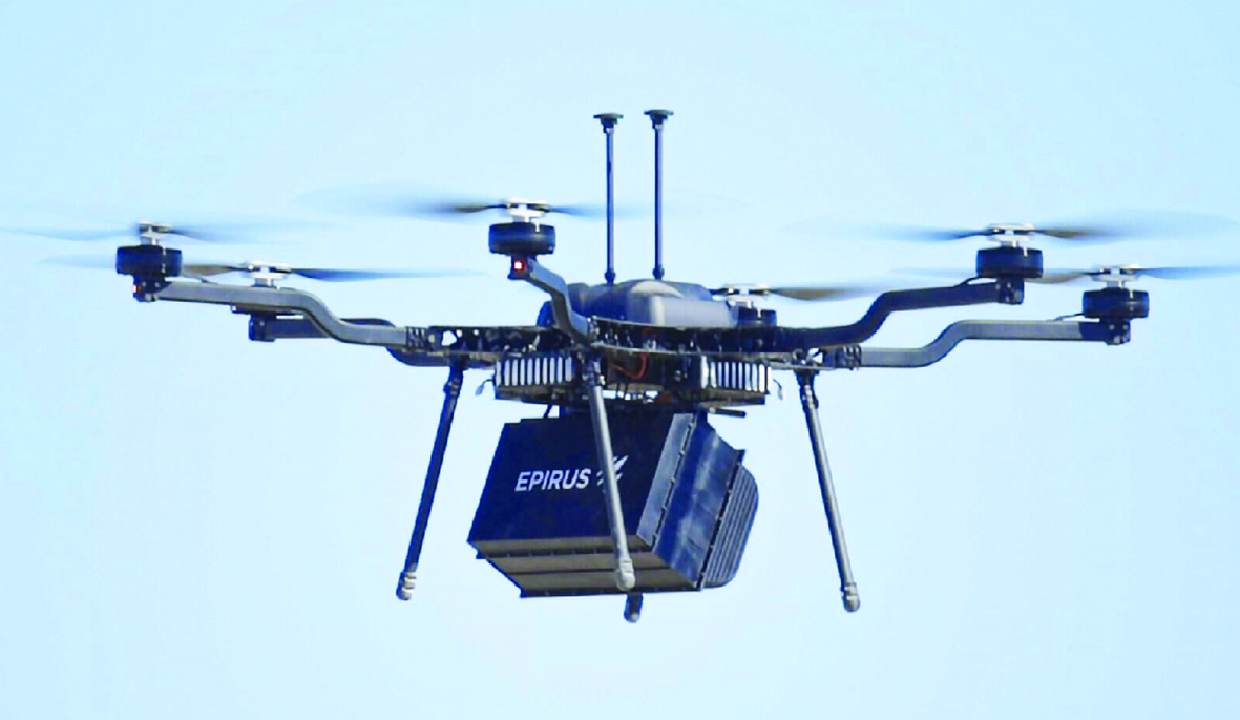
Chief Minister Mohan Yadav has said that Madhya Pradesh has emerged as a national leader in technology-driven governance with the launch of the country’s first state-level Drone Data Repository (DDR).
Describing it as a major milestone, he said the initiative reflects the state Government’s firm commitment to comprehensive digital governance and will make administrative systems more streamlined, transparent, and robust.
The DDR was launched during the MP Tech Growth Conclave 2.0 and has been developed in line with the National Geospatial Policy 2022 and the Directorate General of Civil Aviation’s Unmanned Aircraft System Rules, 2021.
The platform has been created by the Madhya Pradesh State Electronics Development Corporation under the Department of Science and Technology, and is envisioned as a strong foundation for future-ready governance in the state.
Drone technology is already being widely used in Madhya Pradesh across sectors such as land surveys, agriculture, irrigation projects, monitoring of mining leases, infrastructure development, environmental assessment, urban planning, and disaster management.
Until now, however, drone survey data were being collected separately by different departments.
This often resulted in duplication of surveys, fragmented datasets, incomplete information, and difficulties in securely storing valuable geospatial data.
The newly launched DDR addresses these challenges by offering a centralised, cloud-based, secure, and interoperable digital platform. It houses high-quality drone data, including high-resolution orthomosaics, 3D terrain models, LiDAR scans, video imagery, legacy baseline data, and survey records from multiple departments. Each dataset is preserved with accurate latitude and longitude metadata, searchable keywords, standardised technical formats, and automated classification, allowing officials to easily search, compare, and analyse geospatial information.
With all departmental drone data now available on a single platform, duplication of drone surveys has reduced by 30 to 50 per cent.
This has led to greater data transparency, improved coordination among departments, more accurate field verification, and faster decision-making. Officials can now quickly locate required data based on location, project, subject, or purpose.