Mother-of-deals’ birth to paradox
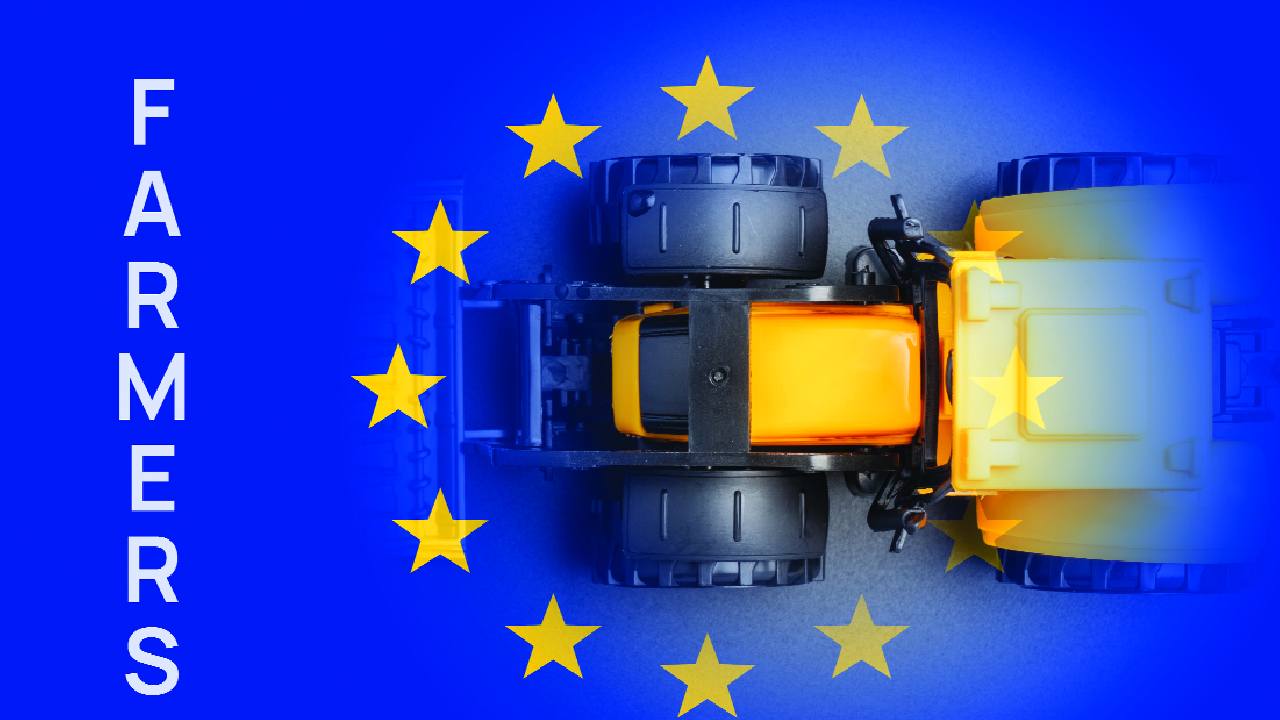
Forget about cars, which made headlines, and jittered investors. Forget about medicines amid claims and counter-claims of lower prices and higher trade. Forget about the debate between labour intensive and tech-extensive sectors. The real icing on the cake in the India-EU (European Union) mother-of-all-trade-deals is about the impact on the respective farm sector. As the new lower tariffs kick in, possibly in 2027 once the EU ratifies the agreement, its value will be determined by which side manages to protect its farmers from imports, and simultaneously helps them to export. India has grappled with the aim to double farm incomes (see anchor article on this page), and push through pro-market laws to free the internal trade in agriculture. Like in India, farmers' protests have rocked several nations in the EU for different reasons such as low incomes, bureaucracy (Germany), finance (France), and politics (the Netherlands).
However, going by the initial information, the mother-of-all-deals has possibly given birth to several farm-related paradoxes. To begin with, both sides claim that the deal is a win-win for their farmers. In a press release, India claims that it will boost “competitiveness” for certain agriculture exports (processed food, tea, coffee, sheep and lamb meat, and fruits and vegetables), “strengthen farm incomes, women’s participation, and… position as a premium, trusted supplier in Europe.” In addition, the focus is on the fact that “strategic safeguards for sensitive sectors like dairy, cereals, poultry, soymeal, certain fruits and vegetables, etc., ensure export growth while protecting domestic priorities.” In essence, the farmers will benefit from higher export incomes, and not lose domestic incomes. The deal is being billed as something that will benefit the Indian farmers on both sides of the export-import trade equation. Obviously, as we will explain later, it is not so, and economics does not work this way.
The EU states that the agreement “removes or reduces often prohibitive tariffs (over 36 per cent on average) on EU exports of agri-food products, opening a massive market to European farmers.” Of course, as India argues, the Union adds, “Sensitive European agricultural products such as beef, sugar, or rice will not be liberalised at all.” What is interesting is that some of the items on the EU’s list of segments that will benefit due to higher exports appear on the Indian list as ones that too will benefit from exports. These include sheep meat, sausages and other meat preparations, processed food, and certain fruits and vegetables (also via wine, spirits and beer, oils, and fruit juices). In this case, the total seems positive on both sides of the inexplicable equation. Like India, the EU maintains that its farm exports will grow, and imports of “sensitive” products are barred.
One of the commentators contends in a media article, “Both sides have agreed to exclude the most sensitive agricultural products from liberalisation. The agreement balances market access with the protection of sensitive sectors.” Here is an example. India feels that poultry is a delicate issue and, hence, it is out of the deal. So does the EU, and the deal maintains the existing tariffs on imports of chicken meat. Dairy, of course, is super-crucial for India, not just for socio-economic reasons, but political ones. So, it is out. But then, the EU thinks the same about milk powder, and its tariff remains the same. Rice and soft wheat are emotional issues in the EU. Cereals enjoy the same place and space in India. They are out of the picture. As mentioned above, the list of items on the two sides includes some products, where both think they will benefit from exports.
Yet, when the fine print appears in the future, there will be cases when farmers on both sides are likely to suffer. Consider the example of grapes. India feels that the preferential access will help exports. The EU thinks that its local grapes will benefit as the tariff on wine falls steeply from 150 per cent to 20 per cent for the premium range, and 30 per cent for the medium brands. Indeed, the grape growers on both sides will suffer as the Indian wines may lose their shares. In many cities and states, the prices of imported wines from the EU, Latin America, and Australia-New Zealand compete aggressively with the Indian wines, even without the proposed tariff cuts. This may intensify, and hurt the Indian wine-makers. In some cases, like pears, we may see a scenario like apples. In the recent past, Indian apple growers were worried because of the India-Australia trade deal that allows imports at considerably lower duties.
Similar may be the case with coffee from the EU’s perspective. Although Europe is a small producer of green coffee beans, it is quite ahead in the sale and exports of roasted coffee. According to some reports, “Europe is a global hub for coffee processing and roasting… producing nearly two million tonnes of roasted coffee annually.” It imports green coffee beans for the industry worth 12 billion euros. But it is one of the products which, according to the Indian side, may benefit from the lower tariffs, and lead to higher exports. At present, coffee is the twelfth largest export item from India, with an annual value of $775 million. If this figure increases later, the European coffee-makers may feel the heat. This may turn their emotions to match those of the apple growers in India. Obviously, if the Indian export is restricted to green beans, the EU will be thrilled.
There may be some churn in horticulture and fruit processing. In the past, the Indian policy-makers turned their attention to this segment as a viable means to boost alternative incomes for the farmers. Estimates indicate that the size of the processed fruits and vegetables segment is nearing $400 billion locally, and contributes 13 per cent to agriculture exports. In addition, India woos foreign investment through 100 per cent ownership. However, the EU feels that fruit juices will be a major source of income for its farmers under the trade deal. The current tariff of up to 50 per cent will come down dramatically to zero per cent. This may hurt the interests of the Indian juice-makers, including some of the foreign players who have set up Indian operations. The same principle may apply to other food processing segments like meat processing. The two caveats are that India is a price sensitive market, and EU exports may influence buying habits among the upper middle class, and EU exporters may initially chase margins (sell premium products), rather than volumes.