MHA monitors probe into Delhi’s anti-drug unit
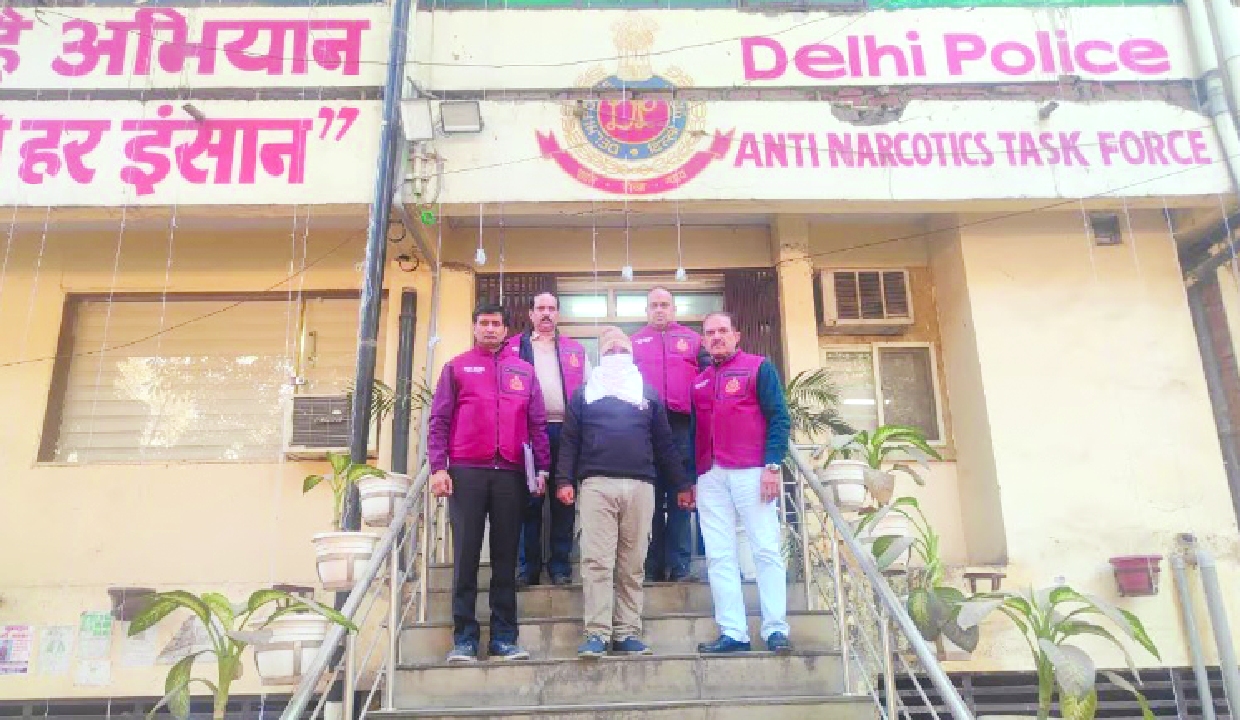
Delhi Police Anti-Narcotics Cells have long been seen as risky but rewarding jobs. The power to seize drugs worth crores, carry out raids with little immediate supervision, and use the strict Narcotic Drugs and Psychotropic Substances (NDPS) Act creates many chances for misuse. This is not the first time corruption in drug enforcement has been questioned, but the size of this case and its reach into senior officers has shaken the system.
The case is being closely monitored by the Union Ministry of Home Affairs (MHA), which directly oversees the Delhi Police. It has already led to internal changes, with reports of increased investigations.
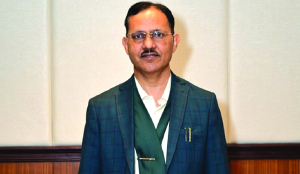
The CBI now describes a sophisticated `100-crore extortion syndicate operating through the Dwarka Anti-Narcotics Cell, headed by Inspector Subhash Yadav.
Targeting easy victims, innocent people or small-time drug dealers, planting drugs during raids, threatening victims, and forcing them to pay ‘protection money’ or make ‘settlements’ to drop fake cases.
Yadav’s team reportedly ran this as a harmful extortion operation for years. He stayed in powerful roles in Dwarka for an unusually long time, and those at the Police Headquarters did not bother to check what he was doing.
But the problem goes deeper: Yadav didn’t just make up cases. He reportedly protected real drug dealers. Investigators believe foreign-born operators in Dwarka, Uttam Nagar, Dabri, and Nawada were allowed to sell drugs freely in return for large bribes. The man who was supposed to break drug networks was actually their protector. While real traffickers worked under his watch, innocent people were framed and robbed. It was a two-way system: fear for the weak, safe passage for criminals who paid.
For regular people, the scandal hits the core of public trust. When the officers meant to fight drugs are said to be running a side extortion scheme using fake evidence, the line between protector and predator becomes dangerously unclear.
The CBI is now tracking Yadav’s mobile phones, bank records, property papers, and more. The agency has requested additional custody to locate more evidence and expand the investigation. As the probe goes deeper, the big question is: Was this a single corrupt inspector taking advantage of a weak unit, or the visible part of a protection racket that hid itself for years at the top levels of Delhi’s police?
The answer could not only change careers but also alter trust in law enforcement in the capital. For now, the CBI is investigating an extortion scheme and breaking down what it believes is a Rs 100-crore problem inside the force it is supposed to protect; the city watches anxiously.
The CBI has gone from finding cash and arresting a junior constable to catching Yadav and revealing a suspected `100-crore drug-planting and extortion scheme inside the Anti-Narcotics Cell of Dwarka district. The investigation is still ongoing, with more information expected as digital evidence and financial trails are examined.
This is not just one bad person. It is a deep problem. The Anti-Narcotics Cell, supposed to be the first line against Delhi’s drug problem, became a money-making operation under Yadav’s control. Drugs were planted on poor people. Protection money was taken from dealers. Cash was piled up in the office. And senior officers are said to have ignored it.
Yadav’s custody has been extended. The money trail, hidden property empire, and full list of protected dealers are still being uncovered. But the harm is done: public trust in Delhi Police’s drug enforcement is destroyed. One inspector didn’t just take bribes, he ruined the very badge meant to protect citizens from the drug threat he promised to fight.
If the CBI and MHA act without fear or bias, this could be the start of a much-needed clean-up. If not, the next Subhash Yadav is already being paid off.