Meghalaya faces 60 per cent monsoon rain deficit as El Nino persists
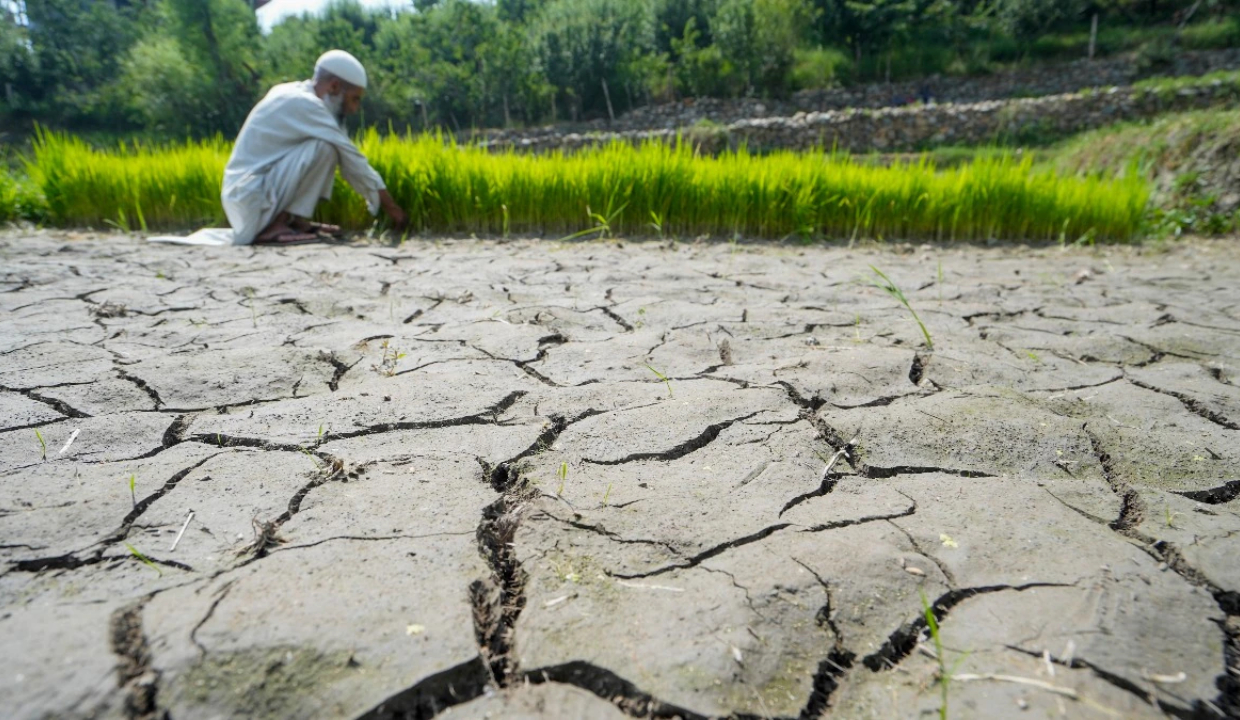
Meghalaya has recorded a rainfall deficit of more than 60 per cent this monsoon amid the impact of El Nino, but early rains in March and April helped the state cope with the prolonged dry spell later in the year, Chief Minister Conrad K Sangma said on Wednesday.
Sangma, who heads the state climate council, said the government had taken several measures to deal with water stress, including formulating a water policy and mapping around 17,000 springs through satellite imagery.
"We have had a rainfall deficit of up to 50 per cent. However, early rains in March and April helped the state cope with the deficit rainfall later in the year," he said.
India Meteorological Department data showed that Meghalaya experienced more than 60 per cent rainfall deficit during the monsoon. Even Mawsynram and Sohra in the East Khasi Hills, among the wettest places in the world, recorded a rainfall deficit of around 35 per cent.
The chief minister said the government had identified spring sources in areas facing severe water shortages and taken steps to revive them.
"We are now seeing the results of these efforts made over the past two to three years," he said.
The government will also continue a Rs 300-crore World Bank-funded project covering the catchment areas of the Umngi and Ganol rivers, which supply drinking water to Shillong and Tura, Sangma said.
"We are working with communities and traditional heads to protect water sources, revive springs and undertake plantation, so that people do not depend only on forest produce for their livelihoods," he said.
Around half of the allocation under the Mahatma Gandhi National Rural Employment Guarantee Scheme (MGNREGS) was being used to create and protect water sources through small water-harvesting structures and check dams, he added.
Sangma said the measures were aimed at building resilience against increasingly erratic weather conditions.
"Things are beginning to change and improve. Sometimes the measures we take may not be able to provide complete protection. But we have a clear understanding of the situation and have taken steps to deal with El Niño and climate change," he said.
The rainfall deficit comes amid a new study warning that prevailing "super El Nino" conditions over the equatorial Pacific could intensify into a "very strong event" and persist through February 2027.
According to the study, the phenomenon could contribute to around 15,800 additional heat-related deaths in India over the next six months compared with a normal year.
The weather pattern could also affect foodgrain production, particularly the upcoming Rabi season in rainfed areas.