Bombay HC says protesting MPSC students not anti-national, asks Maharashtra to restore trust
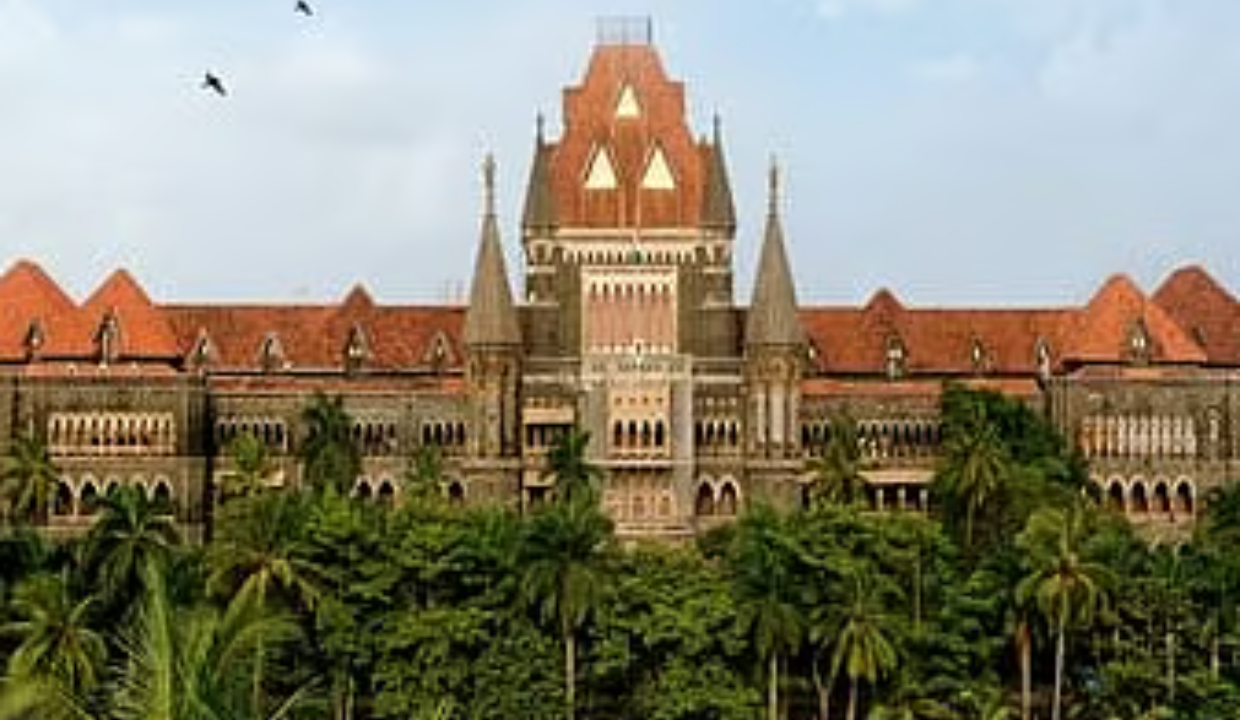
Students protesting over grievances concerning the functioning of the Maharashtra Public Service Commission (MPSC) cannot be termed "anti-nationals", the Bombay High Court observed on Wednesday, urging the state government to take sincere steps to restore their trust in the recruitment system.
A division bench comprising Chief Justice Mahesh Chandra Tripathi and Justice Advait Sethna also requested the protesting students to return to their classes, saying their careers should not suffer because of the agitation.
The court was hearing a petition concerning inconvenience allegedly caused to citizens in Pune due to the ongoing protests, including claims that students had blocked main roads.
The bench noted that Pune is a major education hub and students who come to the city are primarily focused on their studies.
"If the students are agitating, that means grievances are serious in nature. Vacancies are huge in number," the bench observed, adding that examinations conducted by the commission must be impartial and fair.
The judges said students had raised concerns about the functioning of the MPSC, including allegations that examinations were not being conducted in accordance with procedure and that there had been instances of alleged paper leaks and manipulation.
"The state should take a sincere call for restoring the trust," the bench said.
Maharashtra Advocate General Milind Sathe told the court that the students had four demands, including the resignation of the MPSC chairman, reduction of examination fees to Rs 100 and conducting all examinations offline.
He said the government had accepted the demands relating to the fee and offline examinations, while a representation seeking a decision on the MPSC chairman's resignation had been sent to the Governor.
The bench said the issue involved a large number of vacancies and asked the government to provide detailed information on the recruitment process.
"We want the backlog vacancies to be cleared first," the judges said, stressing that students interested in studies should get a fair opportunity to appear for examinations.
The court also asked the state to respond in "black and white" on how it proposed to conduct the recruitment process and provide details of vacancies in each department.
The government has been given three weeks to furnish the information.
Sathe told the bench that some student leaders had met Chief Minister Devendra Fadnavis on September 30. The court, however, said the matter was now before it and assured the parties that it would examine the concerns.
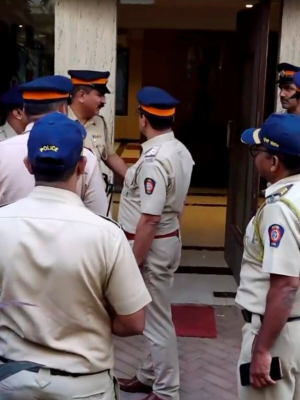
The bench also took note of the police's restrained approach towards the protesters. Sathe said the authorities were conscious that registration of FIRs against students could adversely affect their careers.
"They are students and not anti-nationals," the bench observed, adding that students have a right to raise concerns if they believe there has been wrongdoing in the examination process.
At the same time, the court said public inconvenience caused by the protests could not continue.
"So far as your concern is concerned, we'll ensure recruitment drive is taken care of," the bench said, while asking the protesters to withdraw the agitation and return to their classes as the matter was now before the court.
The judges said students could continue to raise their grievances through protests after obtaining the necessary permission and choosing an appropriate place, while ensuring that ordinary citizens were not inconvenienced.
The bench also appealed to all parties to maintain peace, saying no message should go out that Pune was not a suitable place for students or that parents should have apprehensions about sending their children there.
"Please join the classes, if you want to agitate, get permission and find a place for that and also ensure that no inconvenience is caused to citizens," the bench said.
The hearing was adjourned for three weeks.